
Personal tools
Sections

Feeder Maintenance

Keep Your Birds Healthy

Cleaning your bird feeders regularly helps the birds that visit them remain healthy.

Here's how:

Cleaning seed feeders:

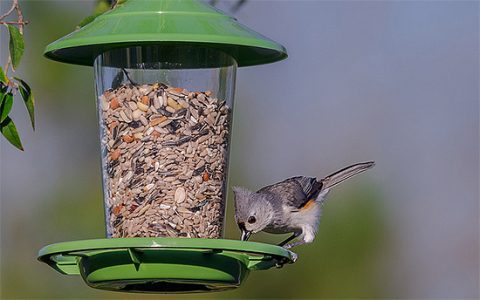
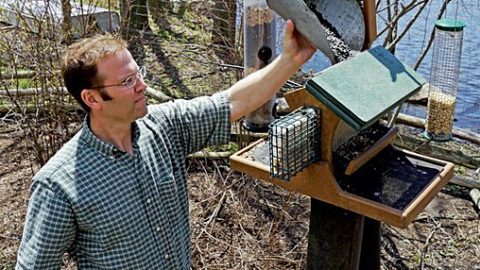
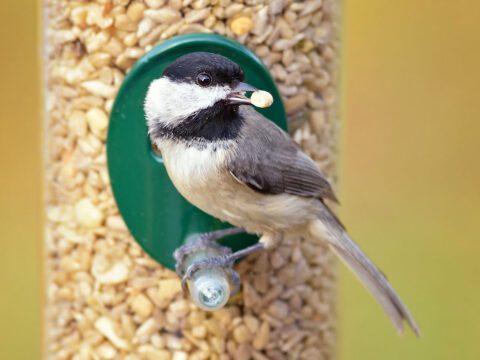
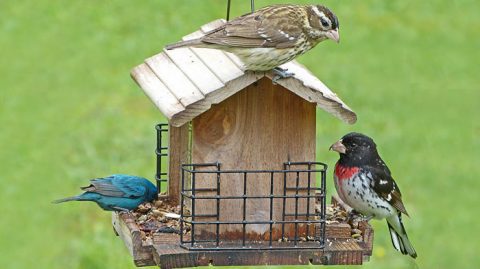
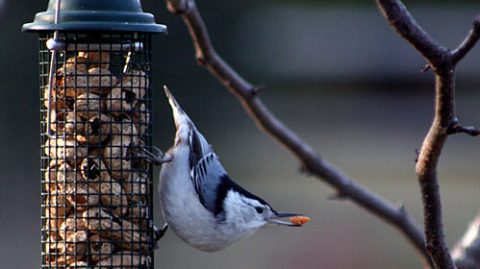
Birds can become ill from moldy or decomposing seeds and hulls that accumulate on feeder trays. Bird droppings and other contaminants may also spread infectious bird diseases. You should clean your feeders about once every two weeks; more often during times of heavy use. For best results wash your feeder thoroughly in hot, soapy water, then soak or rinse it in a solution of one part bleach to nine parts water. Dry the feeder thoroughly before refilling.

Remember to clean the ground below your feeder too, to prevent a build-up of birdseed hulls and other waste. Moldy or spoiled food is unheathy not only for birds but for your outside pets. And bird food scattered on the ground can attract unwanted rodents.

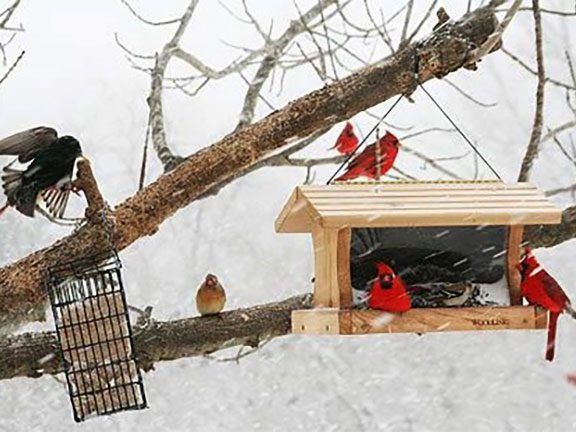
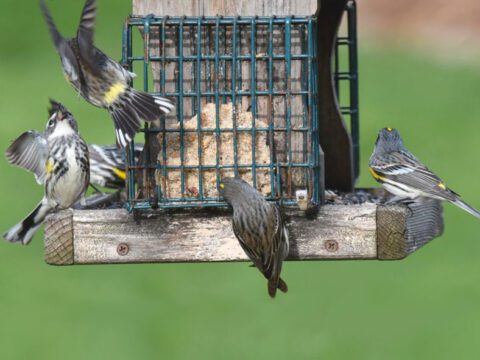
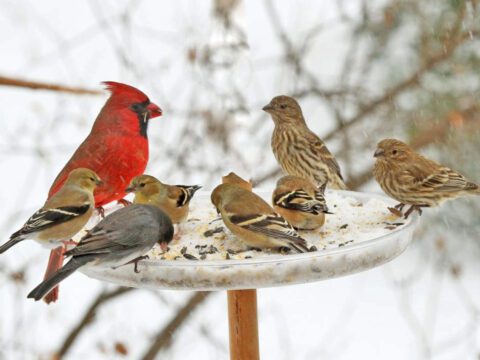
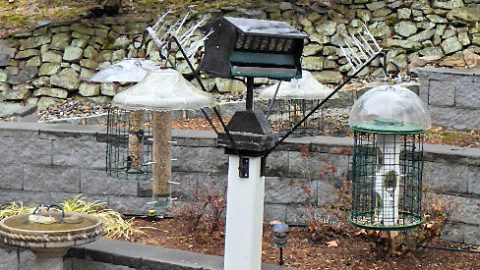
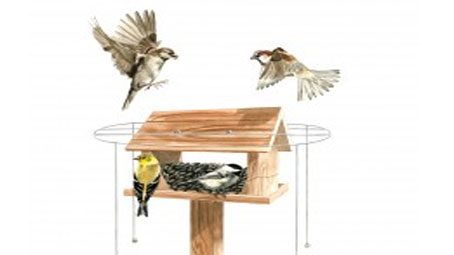
Spread your feeders apart to prevent overcrowding and make sure they have no sharp edges. If the feeders scratch birds, they may become susceptible to disease.

Cleaning hummingbird feeders:

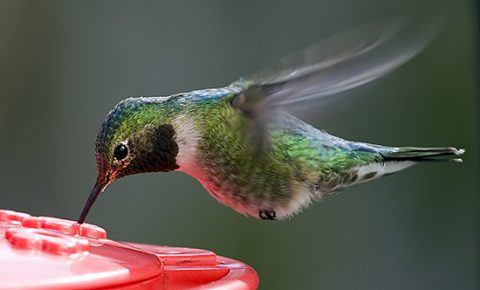
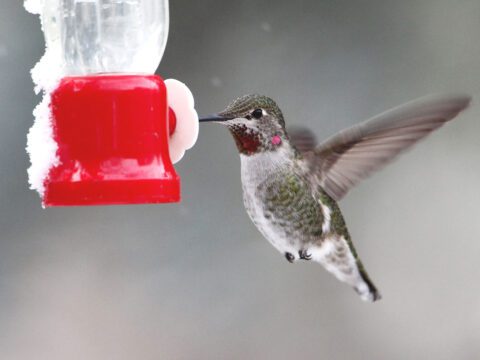
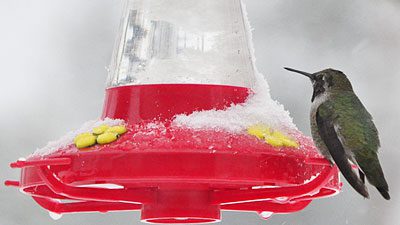
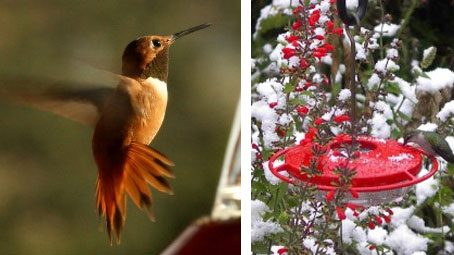
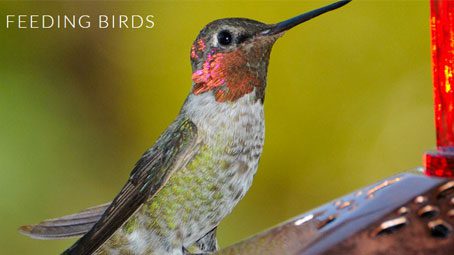
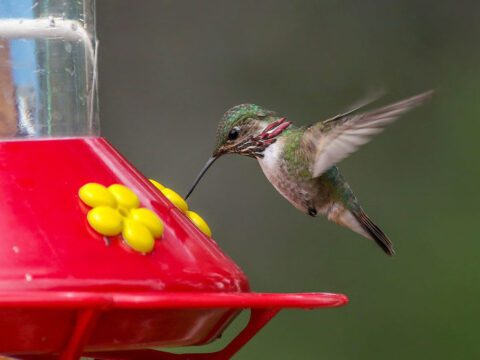
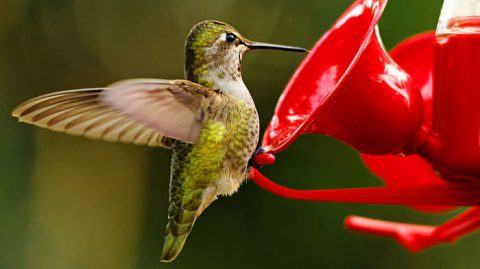
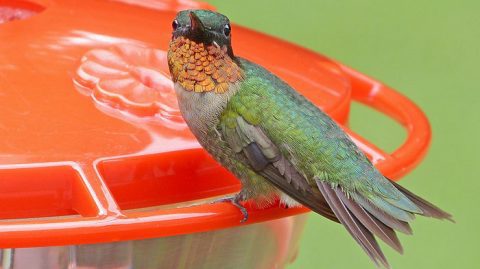
Be sure to change hummingbird "nectar" every three to five days to prevent mold and deadly fermentation. Hummingbird feeders should be cleaned at least once a week with hot water and a bottle brush. Don't use soap or a detergent. You can also clean this type of feeder by filling it with a dilute bleach solution, then rinsing it very thoroughly.

NEVER use honey in hummingbird food. It ferments easily and readily grows mold that can be dangerous—even fatal—to hummingbirds. Do not put any kind of oil around feeding portals to deter bees; you might contaminate the nectar. If bees, wasps, or ants become a problem, try moving the feeder, or go to our Feeder Pests and Predators section for other solutions.