

How To Choose Binoculars: Our Testing Tips
Try out as many as you can in person, and ask yourself these questions as you do.
December 4, 2022
Originally published October 2013; updated December 2022.
If binoculars aren’t 100% indispensable to birdwatching, they’re pretty close. For almost any bird that crosses your path, a good pair of binoculars will show you fine details, make colors pop out of shadows, and improve your chance of identifying what you’ve seen.
More on Binoculars
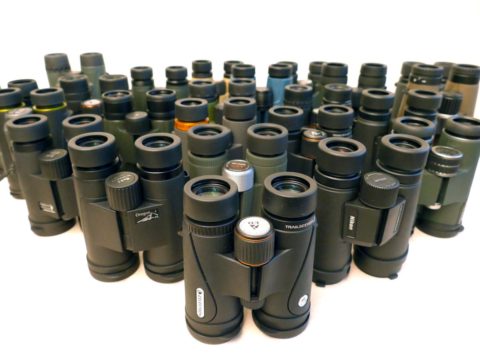
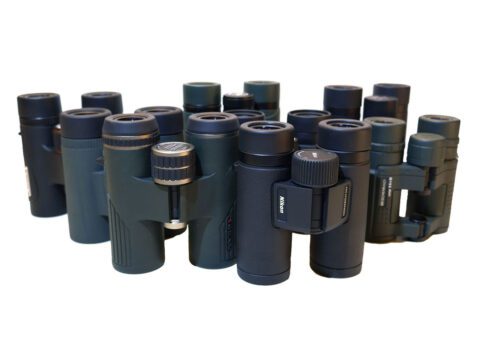

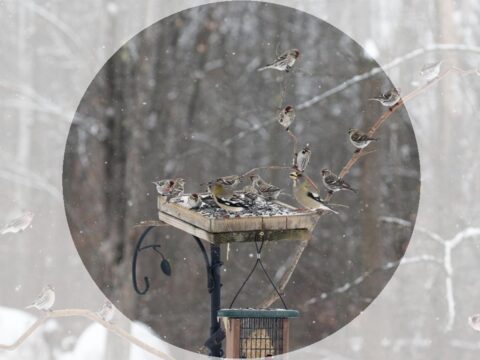
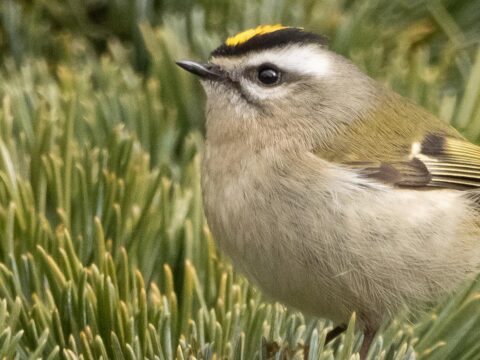
But binoculars are expensive—a long-term investment that starts paying off the day you get them. So it makes sense to choose carefully: read reviews, try a lot of varieties, and make sure you find a pair that delivers great views. Every time you lift them up to your eyes and dial in the focus, you’ll feel a sense of satisfaction.
And in even better news, decades of binocular R&D has made it possible to put advanced materials into lower-priced models. You’ll be amazed at the image quality you can now get from binoculars priced at a few hundred dollars. Factored out over 20 or more years of birdwatching, that’s a pretty good deal.
In fact, image quality can be so good nowadays that factors like ergonomics, feel, and build quality can make the difference between two similar models. If the sheer variety of models, brands, and specifications seems overwhelming, we can help. When testing binoculars, we use the following tips to zero in on what makes one pair better than another.
Our #1 tip is to try as many binoculars as you can before you buy. No two birders look through binoculars exactly the same way. And because ergonomics have such an effect, there’s really no substitute for feeling them in your hand, twirling the focus knob, and evaluating how well the image fills your eyes as you look at a bird. It can be hard to find stores that carry a wide range of binoculars to try; we suggest specialty stores like Wild Birds Unlimited, or bird festivals where a wide range of binocular companies will set up booths. (There’s also the option of striking up a conversation on a bird walk, asking your fellow birders how they like theirs, and possibly even swapping for a few minutes.)
How does the focus wheel feel? You’ll be twirling that knob every time you pick up your binoculars, often racing to get the bird in focus before it flits away. Does the wheel feel good against your fingers? Does it move easily, travel smoothly, and stop precisely?
Is there enough field of view? This doesn’t get as much attention as sharpness or brightness, but a wide field of view will help you find birds and stay on them as they move. In our opinion, it’s just as important as image quality. Note that extending the eyecups or viewing through eyeglasses will reduce your effective field of view, making this stat even more important in those cases.
More Like This


Do the binoculars immerse you in the scene? Some binoculars feel as if they light up your entire eyeball from edge to edge, while others give a sense of looking through a tunnel (even if the image at the end is bright and sharp). This comes from a combination of field of view and edge-to-edge clarity of the binoculars’ optics.
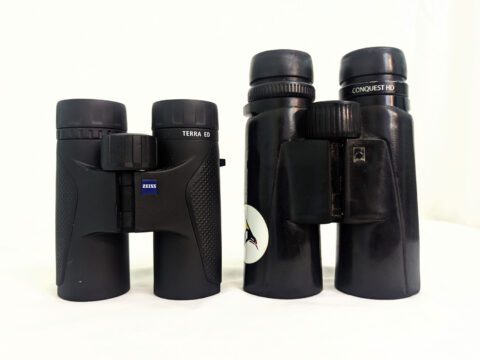
How are the weight and balance? Most modern 8×42 binoculars are right around 6 inches long and weigh about a pound and a half (ca. 14 cm and 700 g). Compact binoculars (8×32) average about 3/4″ shorter and nearly a half-pound lighter. The weight can still add up over the course of a day’s birding, leaving your neck and shoulders sore. Remember, though, that lighter is not always better—heavier binoculars are often a sign of better glass that provides brighter, sharper images. Also, a focus on light weight can result in fragile bins. If your binoculars are heavy, you can distribute their weight better by swapping out your neck strap for a binocular harness. Explore more with our size-weight comparison for more than 50 binoculars.
Do you get dizzy when you scan? In some lower priced binoculars, the image quality is good in static views, but scanning left or right produces a rolling distorted effect at the edges that can be disorienting.
Are the eyecups right for you? If you don’t wear eyeglasses, you’ll probably want to extend your eyecups for more comfortable viewing. Do the eyecups click confidently into place, and do they stay put? If you wear eyeglasses, is there enough eye relief that you can see a full image with the eyecups dialed all the way in?
Do you like the accessories? Some lower priced binoculars hit their price points by opting for lower-end accessories like unpadded, nylon webbing straps and flimsy or untethered lens covers. Usually only a minor consideration, this may mean that you quickly stop using or lose the lens covers; or trade up to a better strap—compromising your cost savings to an extent.
Does the manufacturer’s warranty provide enough coverage? Many premium binoculars come with long or lifetime warranties. At the lower end of the price range, manufacturers may be unable to offer the same protections. This can be due to differences in the binocular construction as well as the added cost of supporting a warranty replacement program at a low price point. Depending on how you plan to use your binoculars, or how long you want to own them, it may be worth it to make sure your pair has a long warranty.

All About Birds
is a free resource
Available for everyone,
funded by donors like you
American Kestrel by Blair Dudeck / Macaulay Library