Join Us at the Cornell Lab of Ornithology
Together, let’s embark on a lifelong journey to enjoy, understand, and protect birds and the natural world
Science and Innovation
The Cornell Lab is powered by science, technology, and millions of people around the globe—people like you.
Join us and help create a future where birds, nature, and people can thrive.
People Power
We believe that people make the difference in every conservation challenge. Through participatory science projects, practical conservation actions, and broad partnerships, we offer limitless ways for you to deepen your interests and passions.
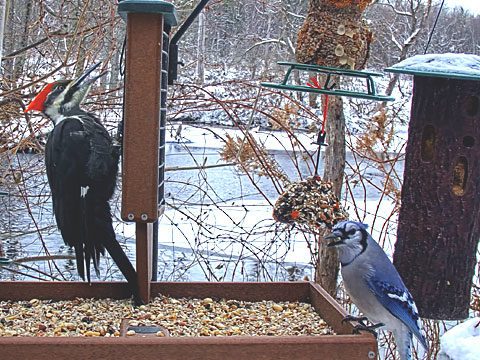
 Enjoy birds at your feeder and share your observationsProject FeederWatch
- Connect with birds in your community with science, art, and eventsCelebrate Urban Birds
- Explore sights and sounds of animals from around the worldMacaulay Library
- Make your passion for birds part of your college studiesStudent Resources
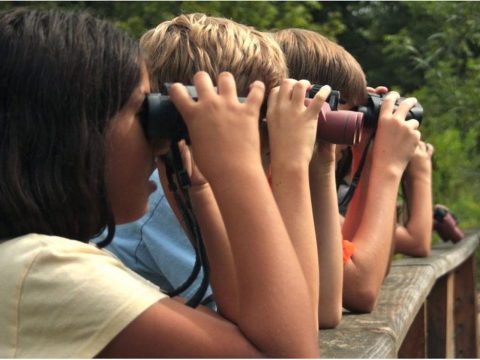
- Find resources for young birdersYoung Birders Network
Science to Action
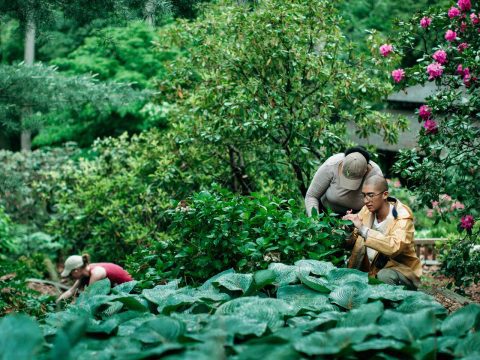
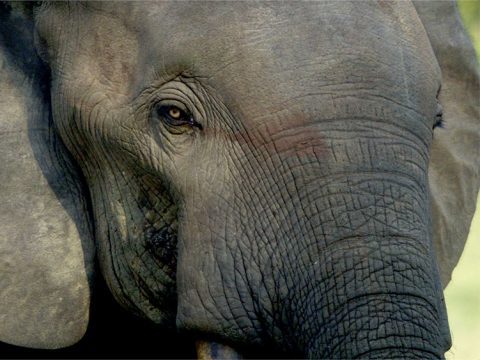
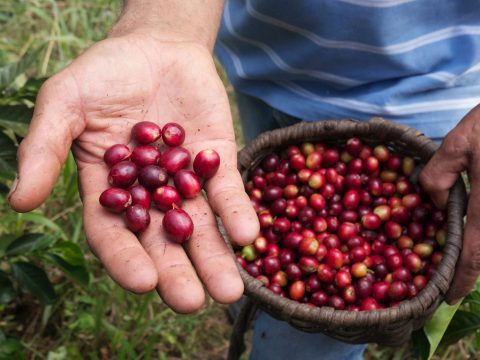
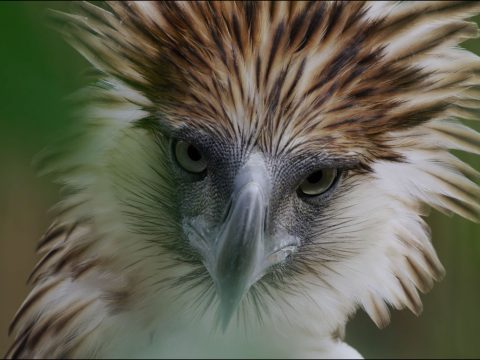
We work with communities around the globe to inspire and inform conservation. Your support helps us find solutions for a sustainable planet alive with the beauty of birds—where humans and wildlife can thrive.
Education
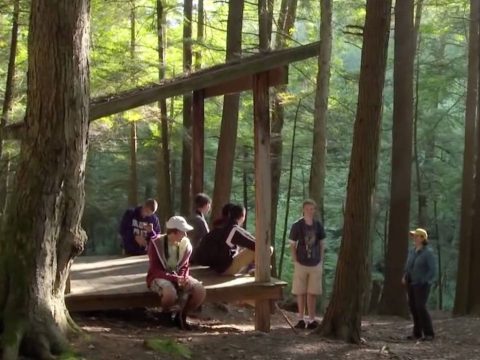
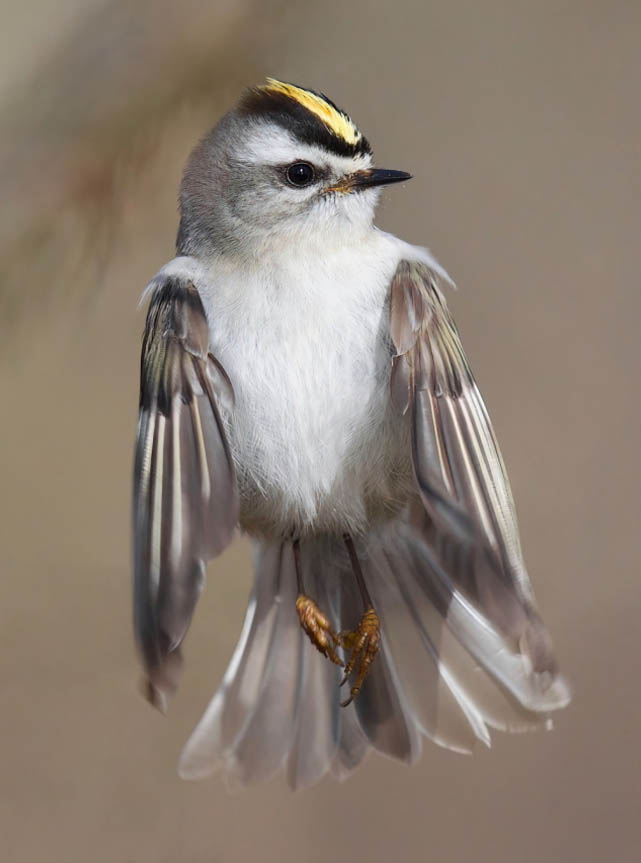
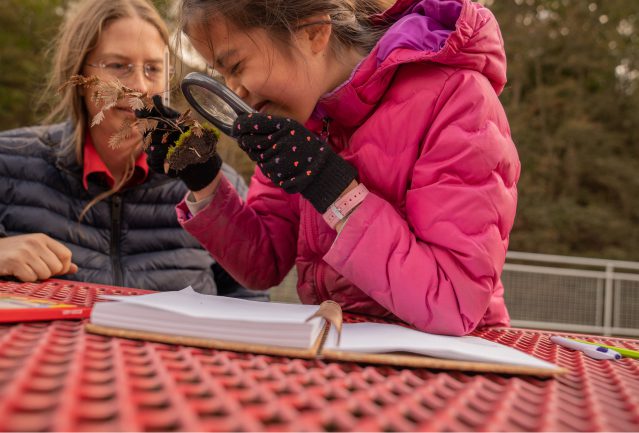
We believe birds are a gateway to caring for the natural world. Help us spark curiosity and foster learning, starting with the earliest ages, through the college years, and lasting a lifetime. Our work aims to inspire and equip the next generation of science and conservation leaders.
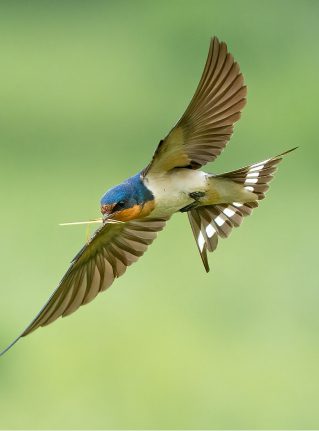
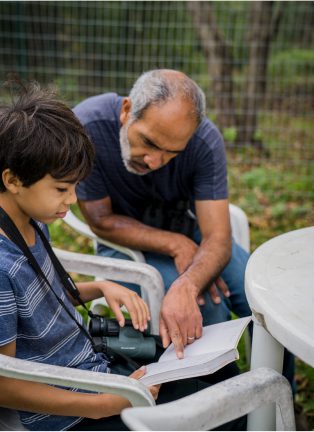
Visit the Lab
Our Visitor Center is closed for renovations until Spring 2024, but you can still walk the trails from dawn to dusk and join us for online virtual events.
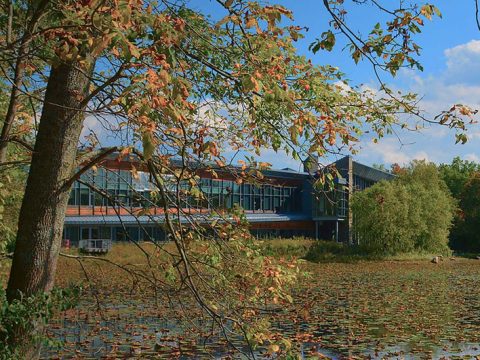
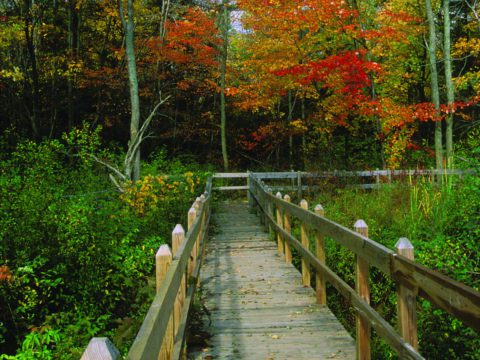
Read Our Award-Winning
Magazine
Latest stories from our quarterly member magazine, Living Bird.
Join Us Today
Membership fuels discoveries to make the planet a better place for birds, for all wildlife, and for people.
Macaulay Library
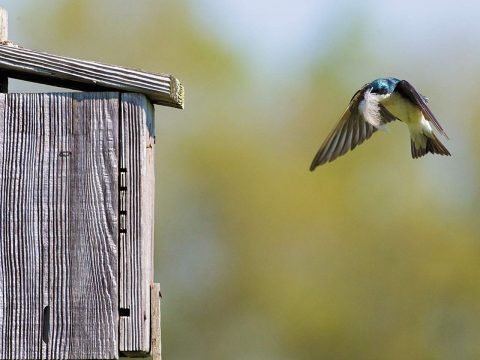
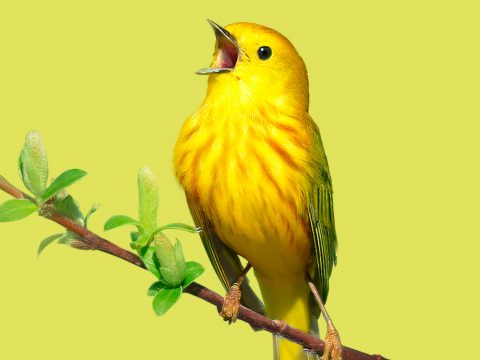
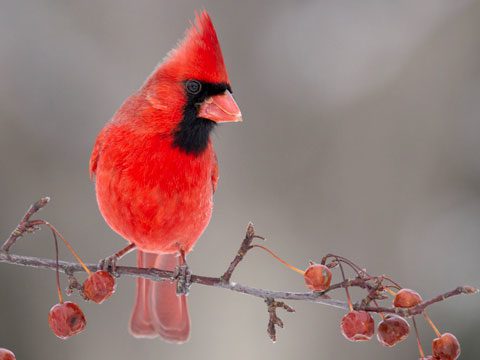
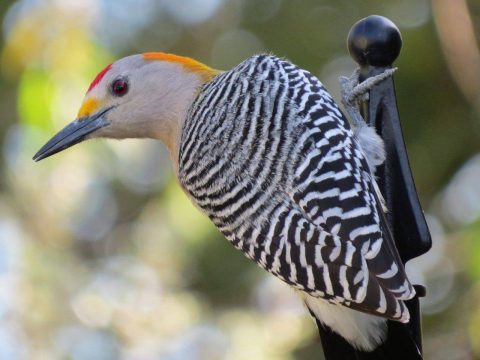
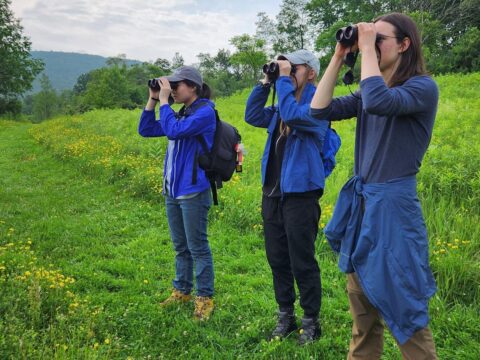
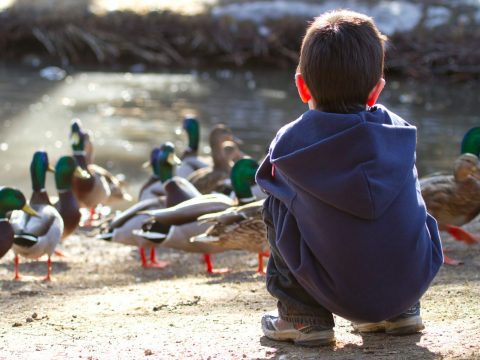
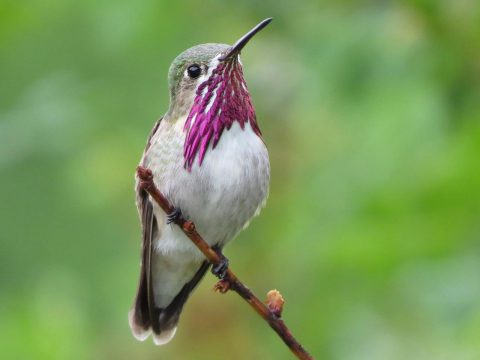
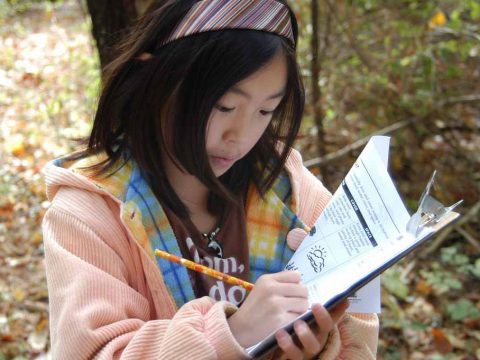
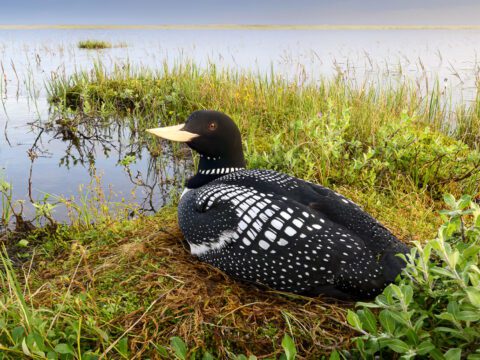
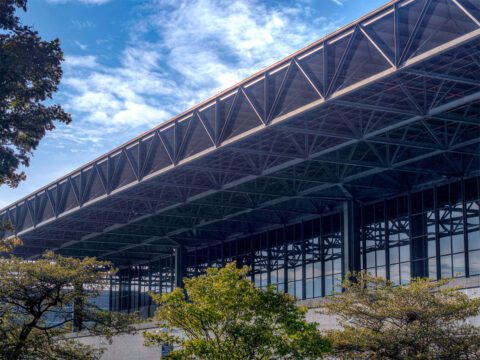
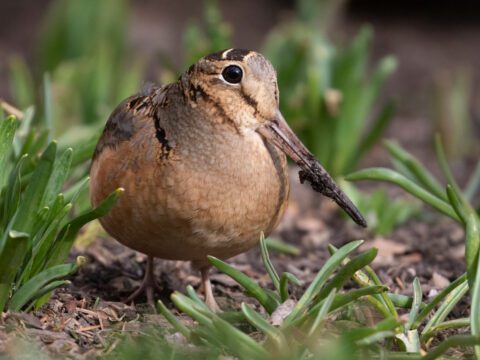
Photo credits: Wood Thrush by John Petruzzi / Macaulay Library with graphic by Sarah Serrousi; Tree Swallow by Marie Read; Yellow Warbler courtesy of Bird Academy; birds on feeder by Bird Cams; Northern Cardinal by Bob Dunlap / Macaulay Library; Golden-fronted Woodpecker by Marcy Barbosa / BirdSpotter; three young birders courtesy of eBird; boy with ducks courtesy of CUBs; Calliope Hummingbird by Marya Moosman / Macaulay Library; children with binoculars by Susan Spear; students at Cornell Botanical Gardens by Justin Muir; young birders in woods courtesy of eBird; elephant by Scott Anger/Lost Bird Films; coffee beans in hand by Gustave Axelson; Philippine Eagle by Neil Rettig; Cornell Lab in fall by Dimitri Ponirakis; boardwalk in autumn by Tim Gallagher; girl with notebook courtesy of the Cornell Lab; composite of a hovering Green-breasted Mango by Jesús Antonio Moo Yam; aerial photos of burned landscape by Michael Sweeney; Purple Martins by Alex Eberts / Macaulay Library; Golden-cheeked Warbler by Bryan Calk / Macaulay Library.
Join Our Email List
The Cornell Lab will send you updates about birds, birding, and opportunities to help bird conservation. Sign up for email and don’t miss a thing!
Golden-cheeked Warbler by Bryan Calk/Macaulay Library