
Citizen Science Projects
An introduction to the Cornell Lab of Ornithology's Citizen Science projects.
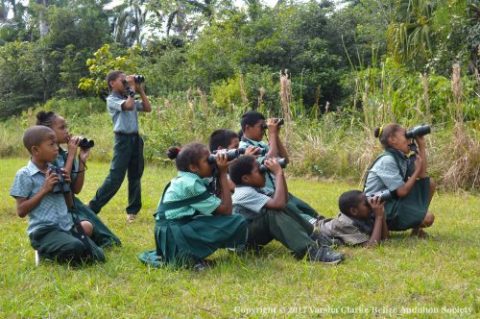
Citizen science is important! It's a partnership between the public and professional scientists, that can answer questions that scientists alone couldn't answer. This network of volunteers help with research tasks such as observation and data collection. At the Lab, we welcome people from across the continent to gather data about the kinds, numbers, and behaviors of birds that they see. This data will help us to better understand and conserve birds. Our scientists can accomplish broad-scale research goals that might be impossible without the collaboration of citizen scientists.
We’ve found that this aspect of “helping scientists” is extremely motivating for school kids. Their data has real meaning! They like the fact that their data helps birds. Thanks for your help as a citizen scientist!
|
Click here for an audio intro to eBird! |
Chris Wood, Project LeadereBird is an easy-to-use citizen science project that collects data from people throughout North America about any bird, any where, any time. Kids can not only easily enter data, but can also answer questions about bird distribution and abundance by downloading graphs, charts, and maps. We’ve made it easier for teachers to use eBird and explore eBird data by developing a BirdSleuth module called Most Wanted Birds. |
|
|
Karen Purcell, Project LeaderThis easy-to-use project encourages people to learn about city birds, and watch them for science, get involved in projects to “green” up communities, and increase conservation awareness. This free project is great for introducing anyone to the world of birds. This citizen science project encourages people to learn about city pigeons, watch pigeons for science, learn about bird behavior, and increase their awareness of nature in their neighborhood.
|
|
Click here for an audio intro to NestWatch! |
Tina Phillips, Project LeaderThis is the Cornell Lab of Ornithology's newest citizen science project. We encourage people to find and carefully monitor the nests in their area. Anyone can monitor nests - it's a rewarding way to spend time outdoors and participate in science. BirdSleuth is currently developing new curricular resources to support NestWatch and CamClickers! The resources will be available in March, in time for the next breeding season! |
|
Click here for an audio intro to Project FeederWatch! |
David Bonter, Project LeaderProject FeederWatchers count the kinds and numbers of birds that visit their feeders in the winter. Project FeederWatch data are used to document and understand the distribution and abundance of birds that visit feeders in North America. This fall, BirdSleuth is releasing its third module, BirdSleuth: Science Investigator's Kit for Homeschool. |