
Skip to content. Skip to navigation

BirdSleuth

Sections

Top 10 Tips for Birding with Kids

Inspector Robin Grackle shares her ideas for getting your kids outside, engaged in nature and watching birds!

Download the PDF flyer HERE!

Inspector Robin Grackle (here with her partner Detective Jay Finch) have searched high-and-low for the best ways to engage kids in bird study!Cartoon Sleuths

1. Simply share your passion for birds! An interested adult, whether a teacher, parent, grandparent, scout leader, camp counselor, or older friend can be a great mentor. Enthusiasm is contagious, so I'd encourage any adult who likes nature and birding to share their interest with kids!

2. Start your adventure in your own backyard. Try hanging a few birdfeeders (even better if they are home-made from milk jugs, mesh onion sacks, and other household re-usables). Attracting birds with feeders and bird baths makes them easier to see and identify.

3. Birding is a way to learn with your kids.  Relax! Birding doesn't require a vast knowledge of birds or bird identification. Kids are naturally curious and love to learn. The behaviors and sounds of wild birds make them fascinating to watch, and it won't be long before kids’ questions are flying! Encourage kids to keep track of their questions on their own “I Wonder” list in their journal… and later use Cornell Lab of Ornithology’s All About Birds site or other resources to find the answers.

Two girls with clipboards pointing4. Keep a nature and birding journal.  My experience has taught me that recording what I see in my journal helps me focus on what I am watching. Your kids’ journals can be hand-made and decorated—a personal place for recording anything of interest. Whether they track and date sightings, muse on their outdoor experiences, or sketch what they see, kids will be more engaged with the birds they observe.

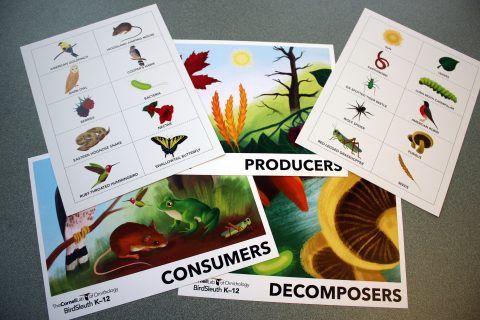
5. Make learning to identify birds fun. One kid-friendly resource is the BirdSleuth Focus Cards, which includes games that help kids learn bird IDs and bird facts in a fun way. I'd also encourage adults to give kids a quality "grown up" field guide, and show them how the field guide is organized by bird groups such as hawks, hummingbirds, and songbirds. Ask them to point out birds they’ve seen and can identify.

Recording Data6. Keep track of birds for science!  I’ve found that participating in the Cornell Lab of Ornithology’s "citizen science" programs is highly motivating for kids.They are surprised that they can submit basic bird data (such as the kinds and numbers of birds they’ve seen) which scientists can use to better understand and conserve birds.

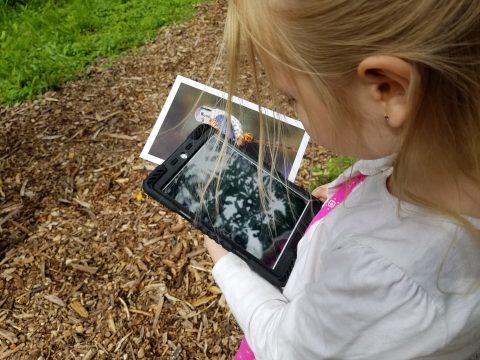
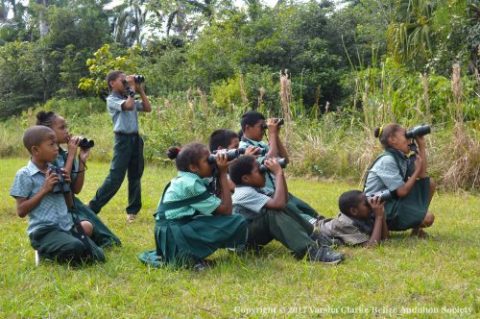
7. Unplug your kids and get them out!  In my opinion, today’s kids don’t spend enough time moving and getting outdoors. A birding hike is a great way to exercise. Of course, dress for the weather, wear comfortable shoes, and be sure to bring snacks and drinks or a picnic lunch. It is fun to eat outside!

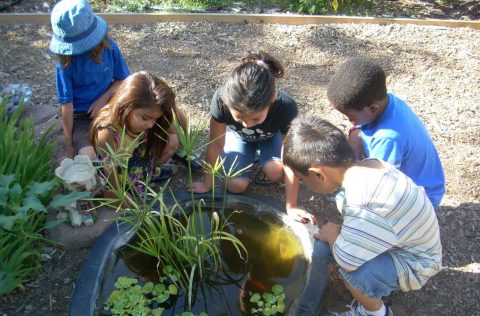
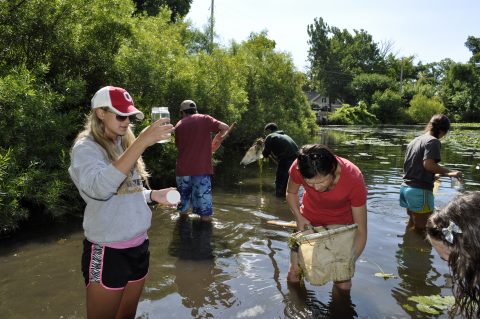
8. Let your children explore. One of the best things about being out in nature is getting away from structure and having a sense of discovery. Birds are, or course, wonderful—but exploring might include flipping over a rock or a fallen tree limb, looking into a stream, pond, or puddle for tadpoles and waterbugs, finding shapes in clouds, or following a butterfly.

boy looking up9. Teach nature ethics. While your kids explore, help them to remember to leave nature as they found it and observe birds without disturbing them. This includes using low voices, not chasing birds, and staying away from nests.

10. Go with the flow. Some children are more interested in simply observing birds as part of the environment, rather than being focused on finding and identifying them. Kids may prefer observing behaviors, sketching or photographing birds, listening to and recording birds, or journaling about the outdoors. It’s all good!


Download the PDF flyer HERE!

facebook_clickover
Join our email list:


NSF
This material is based upon work supported by the National Science Foundation under Grant No. 0242666. Any opinions, findings, and conclusions or recommendations expressed in this material are those of the author(s) and do not necessarily reflect the views of the National Science Foundation.