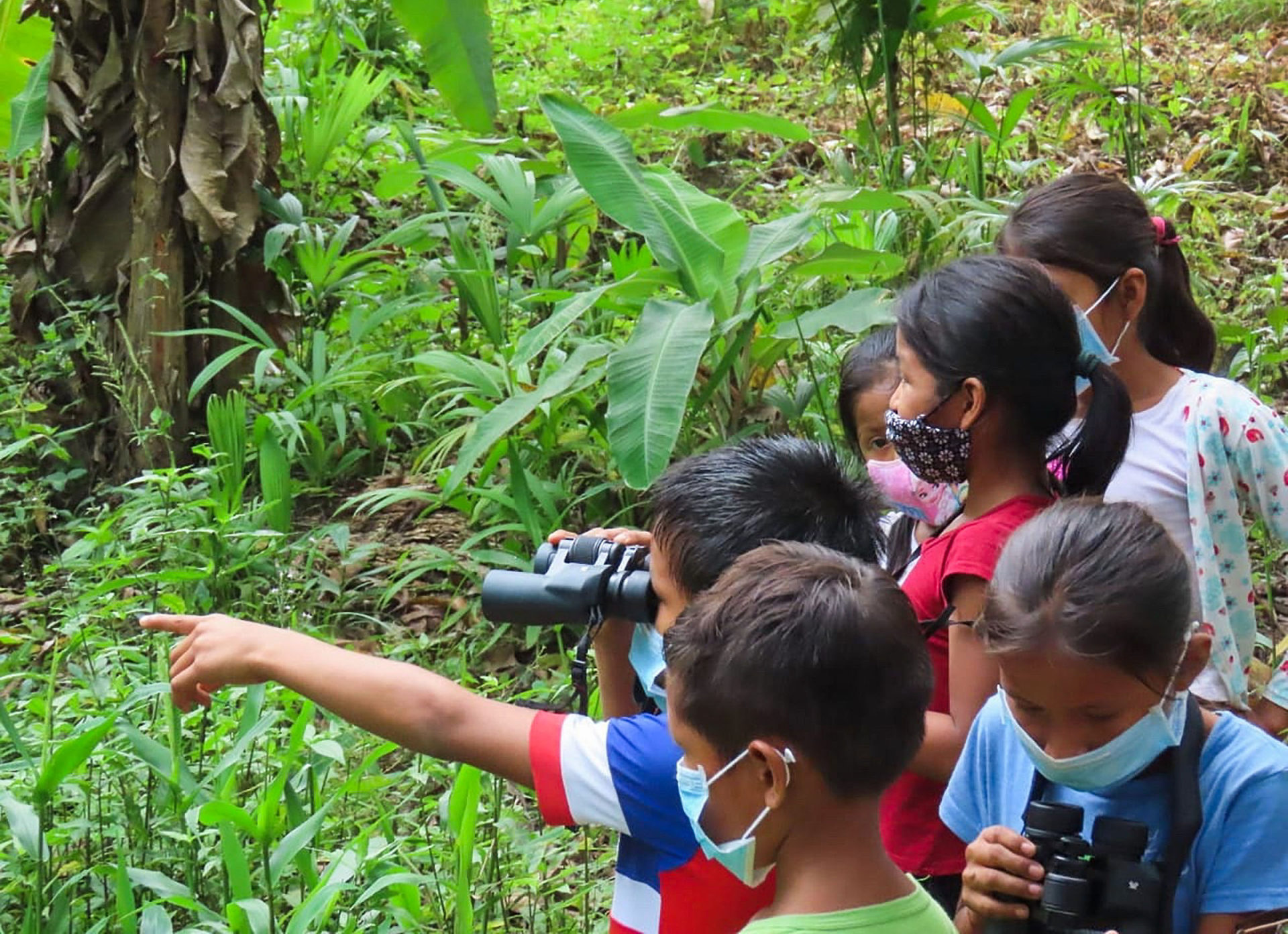
 Photo ©
Cesar Sevillano y Percy Reyna
Photo ©
Cesar Sevillano y Percy Reyna
We are all close to birds!
Learn all about urban birds
Discover a bird loving community
Contribute your bird data observations
News and Notes
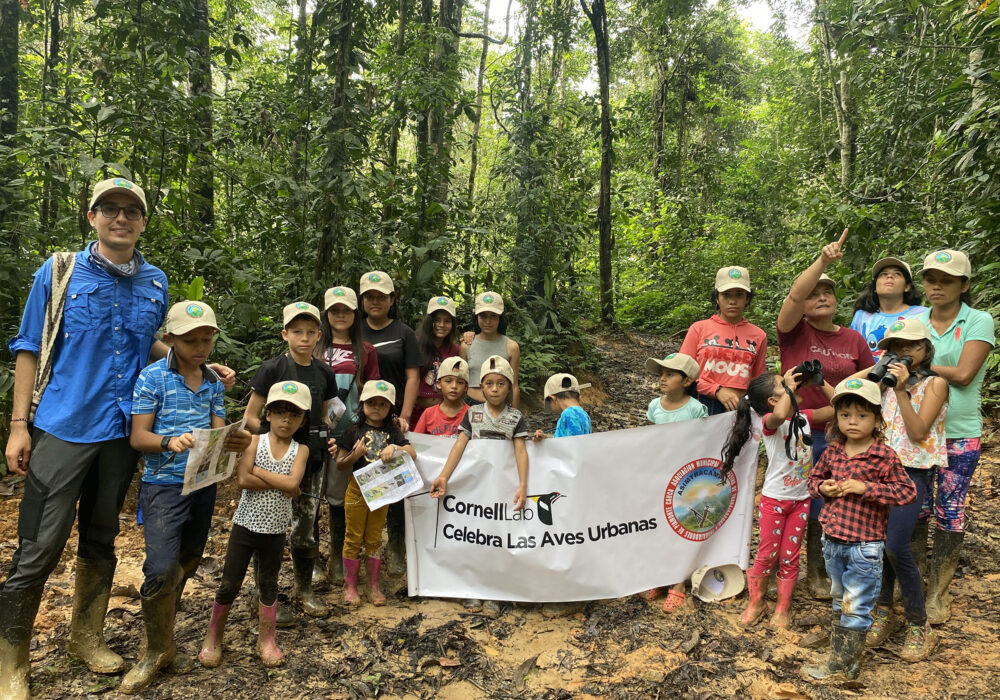
Accepting Mini-Grant Applications!
We are pleased to announce that we are now accepting applications for our 2024 Equity, Birds, and Culture Mini-Grants! Our...
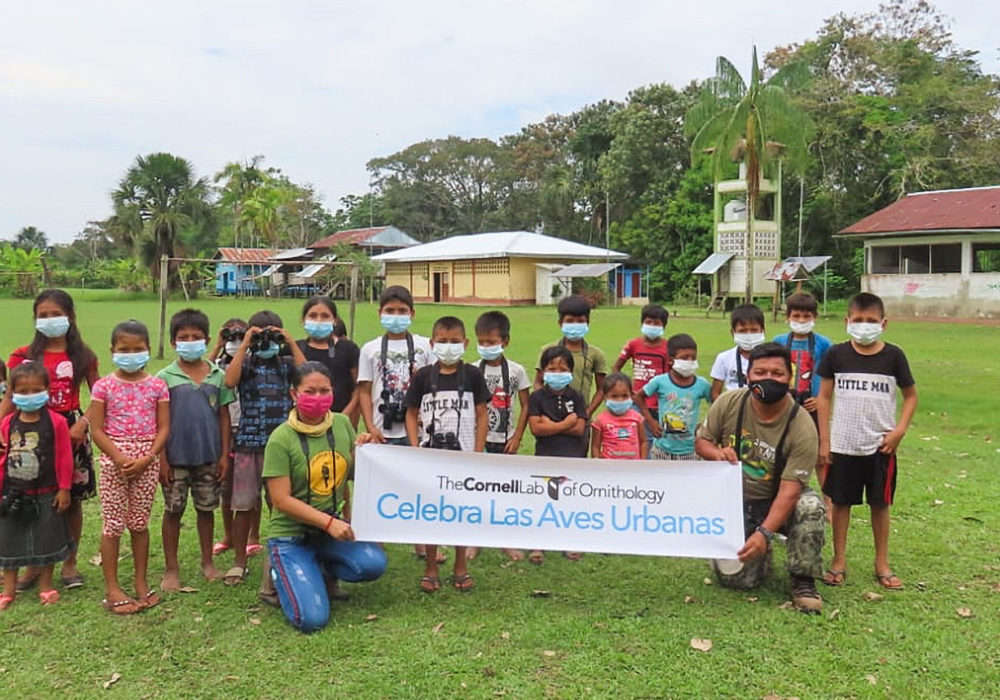 Photo ©
Cesar Sevillano
Photo ©
Cesar Sevillano
Equity, Birds and Culture Mini Grant winners have been announced!
2022 Equity, Birds and Culture mini grant applications are no longer being accepted. The winners were announced in early February....
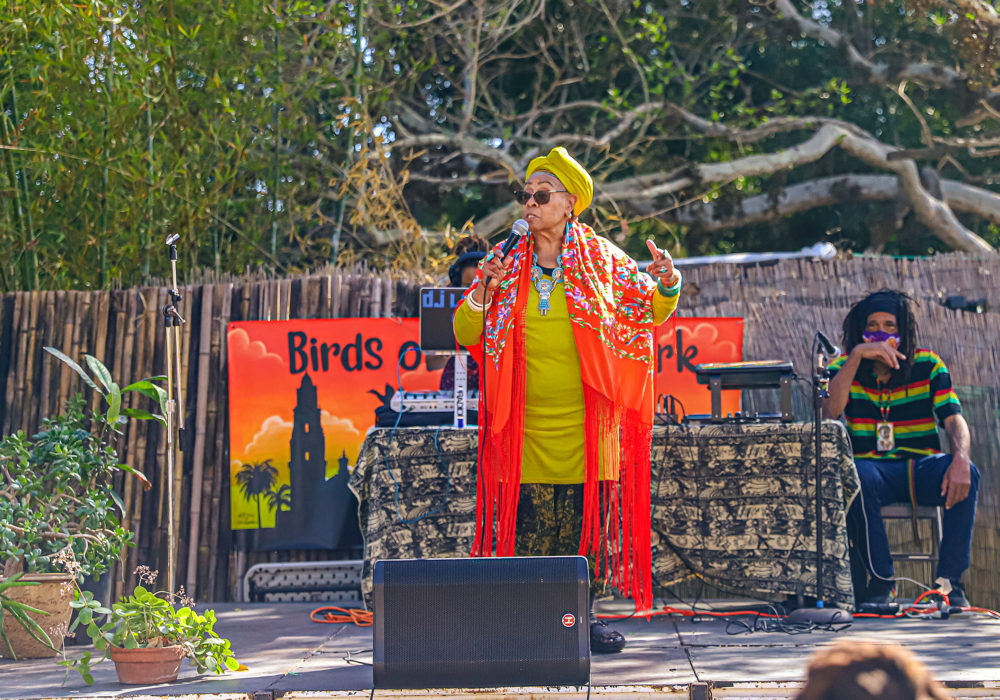
WorldBeat Center celebrates the birds and the arts
April 24th – April 25th, 2021
On Saturday and Sunday, April 24th and 25th, 2021 WorldBeat Center welcomed families back for the Birds and Arts Celebration....
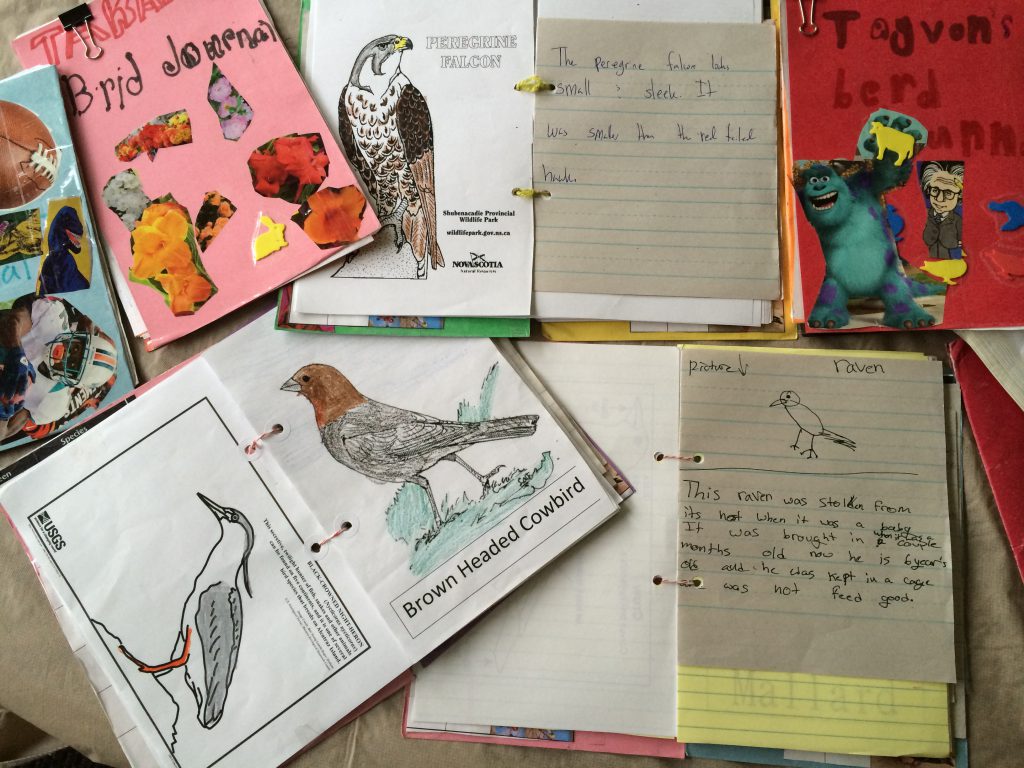 Photo ©
Kids at Home In the Wild
Photo ©
Kids at Home In the Wild
Connect to the outdoors through art
Explore the arts as a way to connect even deeper with the outdoors, or as a doorway to the outdoors.
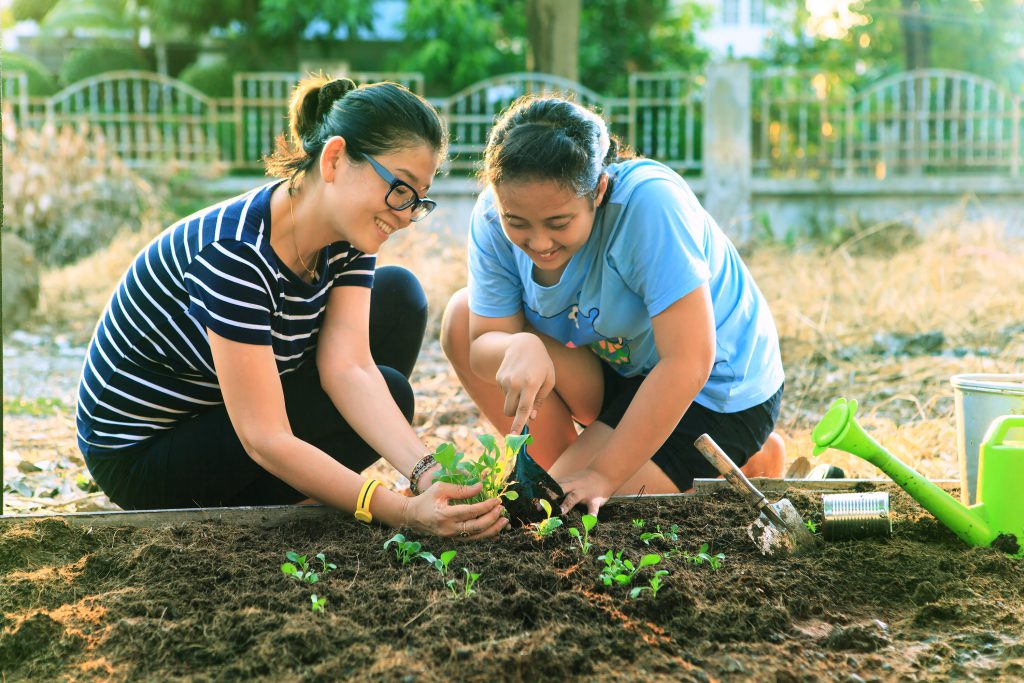
Discover gardening tips for urban areas
These green mini-oasis contribute to the beauty of neighborhoods, help build community spirit, and provide places for children and adults...
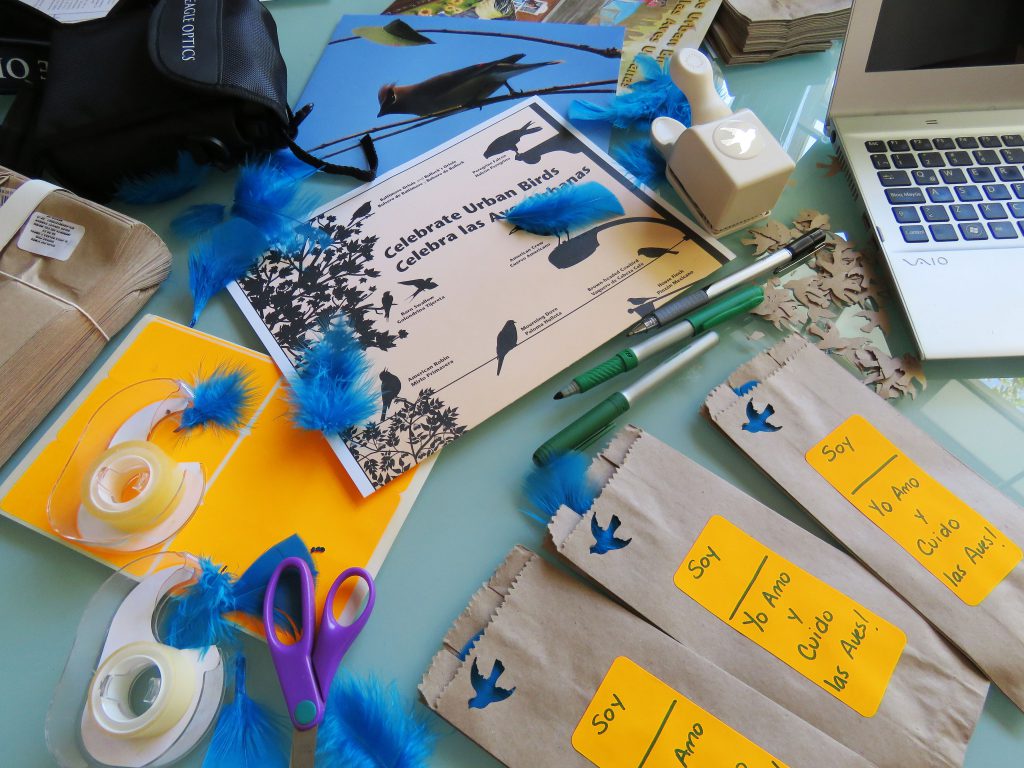 Photo ©
Green Jay Mayan Birding
Photo ©
Green Jay Mayan Birding
Explore our resources
Find books, teaching materials, community events and other enrichment resources.
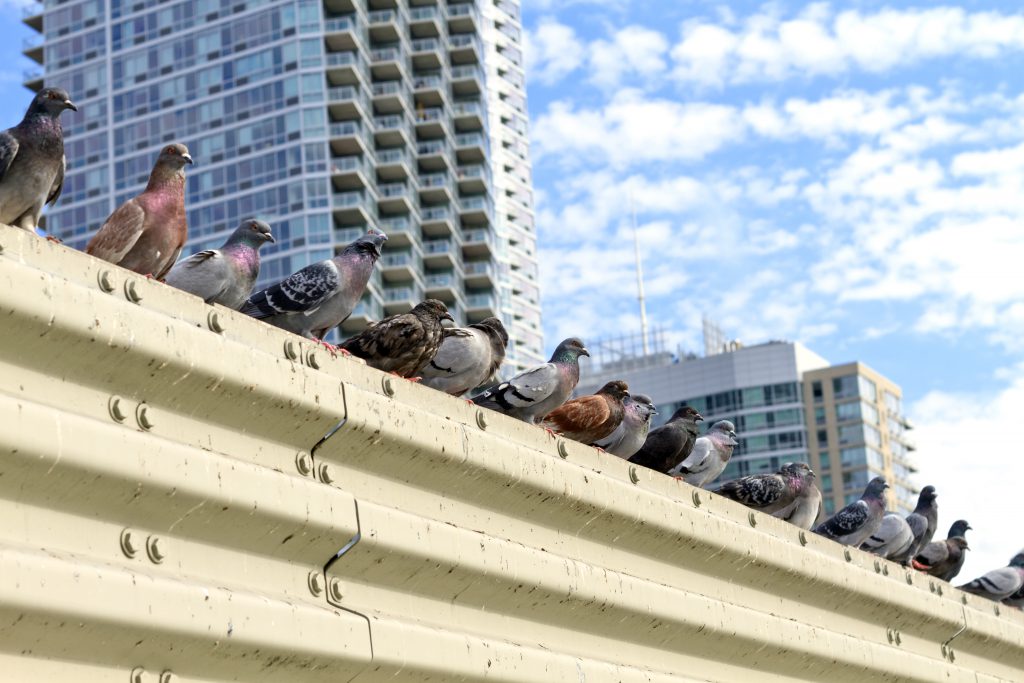 Photo ©
Sam Aronov
Photo ©
Sam Aronov
Learn about the birds where you live!
Learn about the regional species of birds we focus on in the Celebrate Urban Birds project!
