Urban Greening

Celebrate Little Green Places Poster
A fun and useful gift for anyone who wants to connect with nature through gardening and birds. The colorful poster includes a list of recommended plants that grow well in containers and attract birds in cities. The poster also includes art activities and gardening ideas. Order by emailing urbanbirds@cornell.edu or calling (607) 254-2455.
You can garden for the birds anywhere! Potted plants on a balcony work great. Learn more:

Wood Duck watercolor by Lena Champlin, age 15, North Yarmouth, Maine
Urban Greening
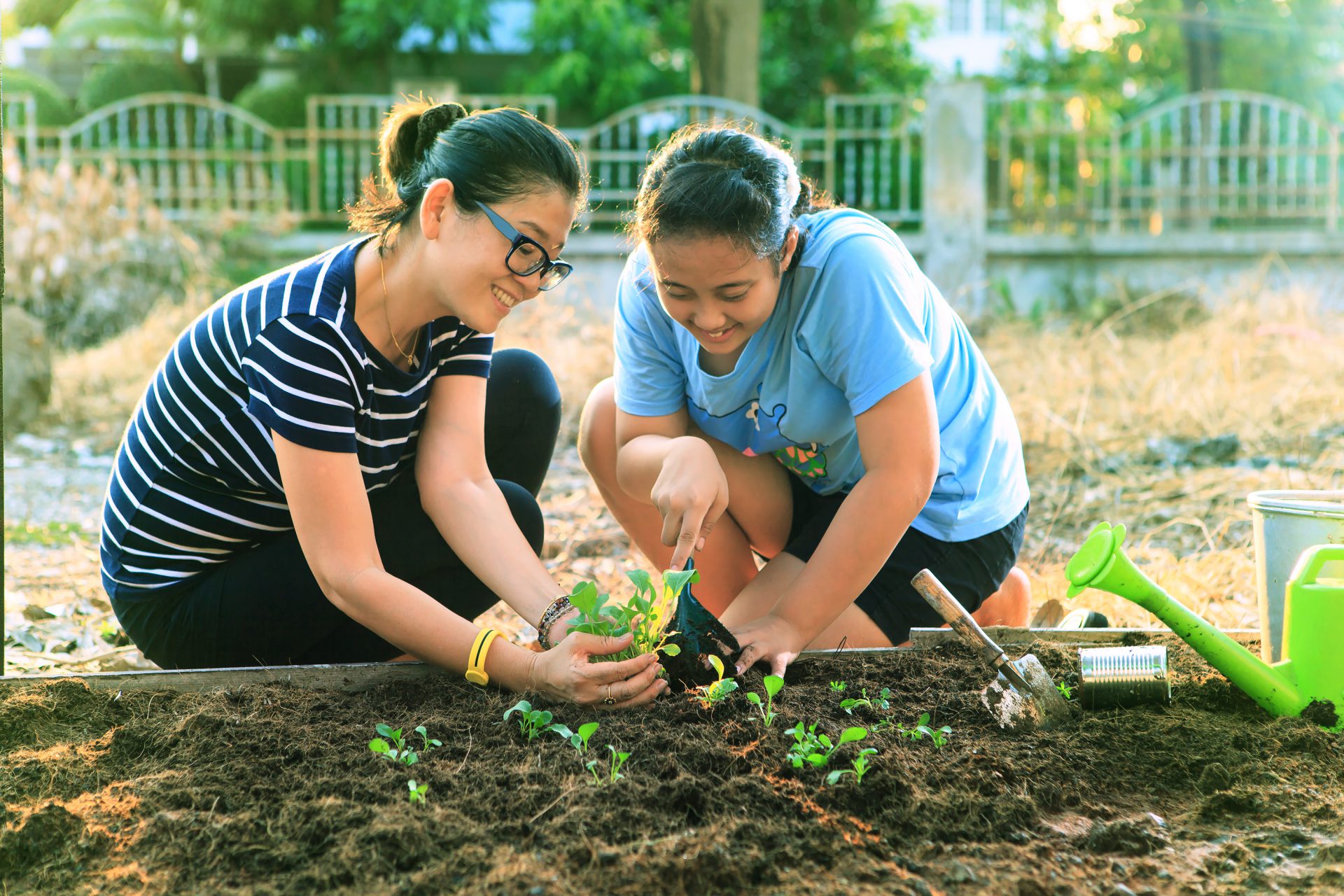
Are you thinking of creating a small garden for the birds? It is best to start small...
Some things to consider are:
- Is the soil polluted? Is there a water source?
- You’ll want to include a multilevel planting design, layering levels of vegetation (tall, medium sized, small, groundcovers, and vines) to provide best habitat. Structure is important!
- Provide a variety of native flowers, bushes, and if possible trees that will provide cover and a steady supply of food (berries, seeds, and nectar) year round.
- Attract songbirds and hummingbirds by planting seed and nectar producing flowers.

- Choose shrubs that fruit at different times of the year to provide a continuous food supply.
- Dense planting is also necessary in some areas to provide cover for birds. Consider planting a hedgerow and windbreak.
- Don’t forget to provide groundcover.
- Some bird gardens include artificial slopes for ground feeding birds.
- A "dust bath" is a fun addition to your garden.
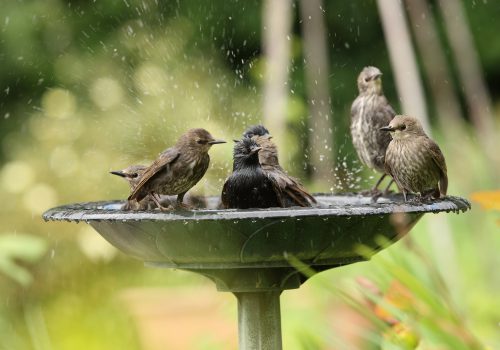
- Birdbaths or shallow pools of water (especially with water drips) are essential.
- Consider providing nesting structures (nesting boxes and platforms).
- Bird feeders are a wonderful way to see birds up close.
- Let your flowers go to seed. The flowers may look dead, but this the time when they are most likely to attract birds. See video of fingers rubbing against sunflower head to see hidden seeds.
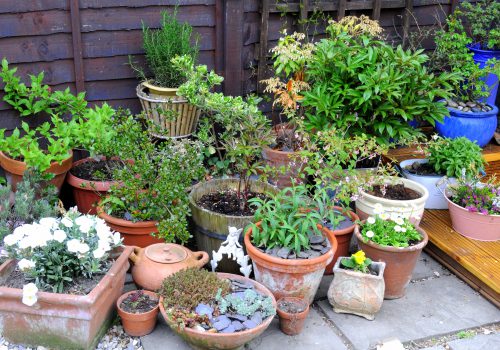
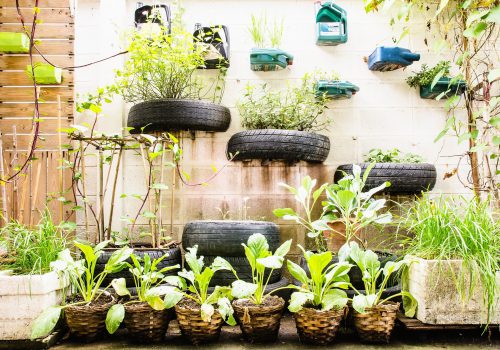
Even small potted plants on a balconies may make a difference for the birds! Variety of plants is very important to birds so they can have access to food year round.
Here’s a sample of plants that grow well in containers and are good for birds:
|
1. Cosmos 2. Coneflowers 3. Sunflowers 4. Nasturtiums 5. Wintergreen 6. Rudbeckia 7. Coreopsis 8. Blueberries/strawberries 9. Trumpet Vine 10. Dwarf Birch 11. Chokecherry |
12. Columbine 13. Love lies-bleeding 14. 'Purple Majesty' ornamental millet 15. Autumn sage 16. Little Blue Stem grass 17. Celosia 18. Staghorn sumac (yellow leaf form) 19. 'Red Sprite' (dwarf winterberry- needs male plant for pollination and fruiting) 20. Elderberry |
Learn more about starting a garden at: http://www.hort.cornell.edu/gbl/gettingstarted/index.html
Fallen limbs and leaves, dead plant material, and other woodland debris harbor insects on which migratory birds thrive. Leave as much dead plant materials as possible for the birds.

Rooftop temperatures in cities can sometimes exceed 150 degrees Fahrenheit during the summer. The heat from buildings can worsen city smog and heat up living spaces. Green rooftops can act like natural air conditioners. Rooftop gardens can reduce city temperatures, absorb storm water runoff and improve air quality. Rooftop gardens also make wonderful bird habitats!
Invite neighbors to join you in your greening effort. Plan cooperatively!
Read Stephen Kress' article: Ten Ways to Landscape for Songbirds.
Why are green spaces in urban locations so important to people?
-Aggression is significantly lower among people who have some kind of nature outside their apartments versus those who don't.
-Green spaces foster a sense of community.
-Green outdoor spaces tend to allow for more creative play and more adult interaction.
-Girls who grow up with greener views from home show less impulsive behavior.
-Residents living in greener surroundings report lower levels of fear and less violence.
These are some of the recent findings of the Landscape and Human Health Laboratory at the University of Illinois at Urbana-Champaign.
Learn more at the Landscape and Human Health Laboratory web site: http://www.lhhl.uiuc.edu/
Another good site to help you plan your bird-friendly landscape
"Thanks to Stephen Kress and Elissa Wolfson. Stephen Kress is author of the Audubon Society Guide to Attracting Birds, a wonderful resource for those interested in learning more. Elissa Wolfson is editor and writer at the Cornell Plantations."