News Room
Recent News Releases & Stories
Save Spring Migrating Birds, April 16, 2024
Cut light pollution and treat glass to prevent deadly collisions
Lyrebird Synchronizes Elements of Its Mating Dance, March 28, 2024
Study says environment plays a key role in the performance
Solar Eclipse Could Scramble Bird Behavior, March 26, 2024
Cornell Chronicle
Early Spring, Earlier Nesting Birds, March 26, 2024
Join NestWatch to help track climate change effects on birds
Great Horned Owl Comes to Live Bird Cams Project, Cornell Chronicle, March 5, 2024
FLACO Act Essential to Prevent Bird Strikes, Combat Population Declines, February 26, 2024.
Experts at the Cornell Lab
To request an interview or find additional experts, contact Pat Leonard (607) 254-2137, pel27@cornell.edu
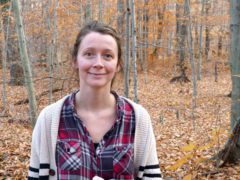
 Robyn BaileyProject LeaderNesting Biology • Nest and Egg Identification • Nest Boxes • Citizen Science
- Jessie BarryProgram Manager
- David BonterCo-Director, Center for Engagement in Science and NatureCitizen Science • Avian Ecology • Foraging Ecology
- Kathi BorgmannCommunications ManagerScience Communication • Bird Identification • Breeding Biology • Avian Conservation • Bird Song • Wildlife Restoration Ecology
- Christopher ClarkSenior Scientist EmeritusAcoustic Ecology • Behavioral Ecology • Bioacoustics • Animal Communication • Bio-engineering
- André DhondtDirector, Bird Population StudiesDisease Ecology • Population Ecology • Behavioral Ecology • Evolutionary Ecology • Conservation Biology
- Charles EldermireProject Leader, Bird Cams
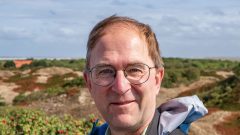
- Andrew FarnsworthVisiting ScientistBird Migration • Aeroecology • Bioacoustics • Radar Ornithology • Climate Change
- John FitzpatrickDirector EmeritusAdministrative Oversight • Fundraising • Board Relations • Conservation Science • External Communication
- Wesley HochachkaSenior Research AssociatePopulation Ecology • Citizen Science • Ecological Informatics • Disease Ecology
- Marshall J. IliffProject Leader, eBirdeBird • Status and Trends • Migration • Species Distribution • Taxonomy
- Holger KlinckJohn W. Fitzpatrick Director, K. Lisa Yang Center for Conservation Bioacoustics
- Frank La SorteSenior Research AssociateBird Migration • Climate Change • Urbanization • Biogeography • Macroecology • Environmental Pollution
- Irby LovetteDirector, Fuller Evolutionary Biology Program and Director, Center for Biodiversity Studies and Higher Education
- Kevin J. McGowanSenior Course Developer and Instructor, Bird AcademyCrows • Behavioral Ecology • Ornithological Trivia • Bird Identification • Translating Science to General Audiences
- Tina PhillipsAssistant Director, Engagement in Science and NatureCitizen Science • Evaluation • Learning • Social Science
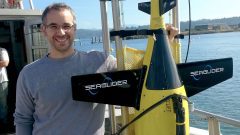
- Aaron RicePrincipal EcologistBioacoustics • Conservation Biology • Fish Biology • Marine Ecology • Animal Behavior
- Amanda RodewaldGarvin Professor and Senior Director, Center for Avian Population Studies
- Viviana Ruiz GutierrezAssistant Director, Center for Avian Population Studies • Program Leader, Conservation ScienceApplied Population Ecology • Conservation Science • Quantitative Ecology • Tropical Ecology and Conservation
- Edwin ScholesProject Leader, Birds-of-ParadiseBirds-of-Paradise • Audiovisual Media • New Guinea Ornithology • Evolutionary Biology
- Mya ThompsonCo-Director, Engagement in Science and NatureOnline Learning • Instructional Design • Media Production • Environmental Education • Animal Communication • Science Communication
- Mike WebsterDirector, Macaulay LibraryAnimal Behavior • Animal Communication • Evolution • Bird Song • Breeding Biology



Join Our Email List
The Cornell Lab will send you updates about birds, birding, and opportunities to help bird conservation. Sign up for email and don’t miss a thing!
Golden-cheeked Warbler by Bryan Calk/Macaulay Library