Help Us Make Cornell's Campus Safer for Birds!
Take Action on CampusCause
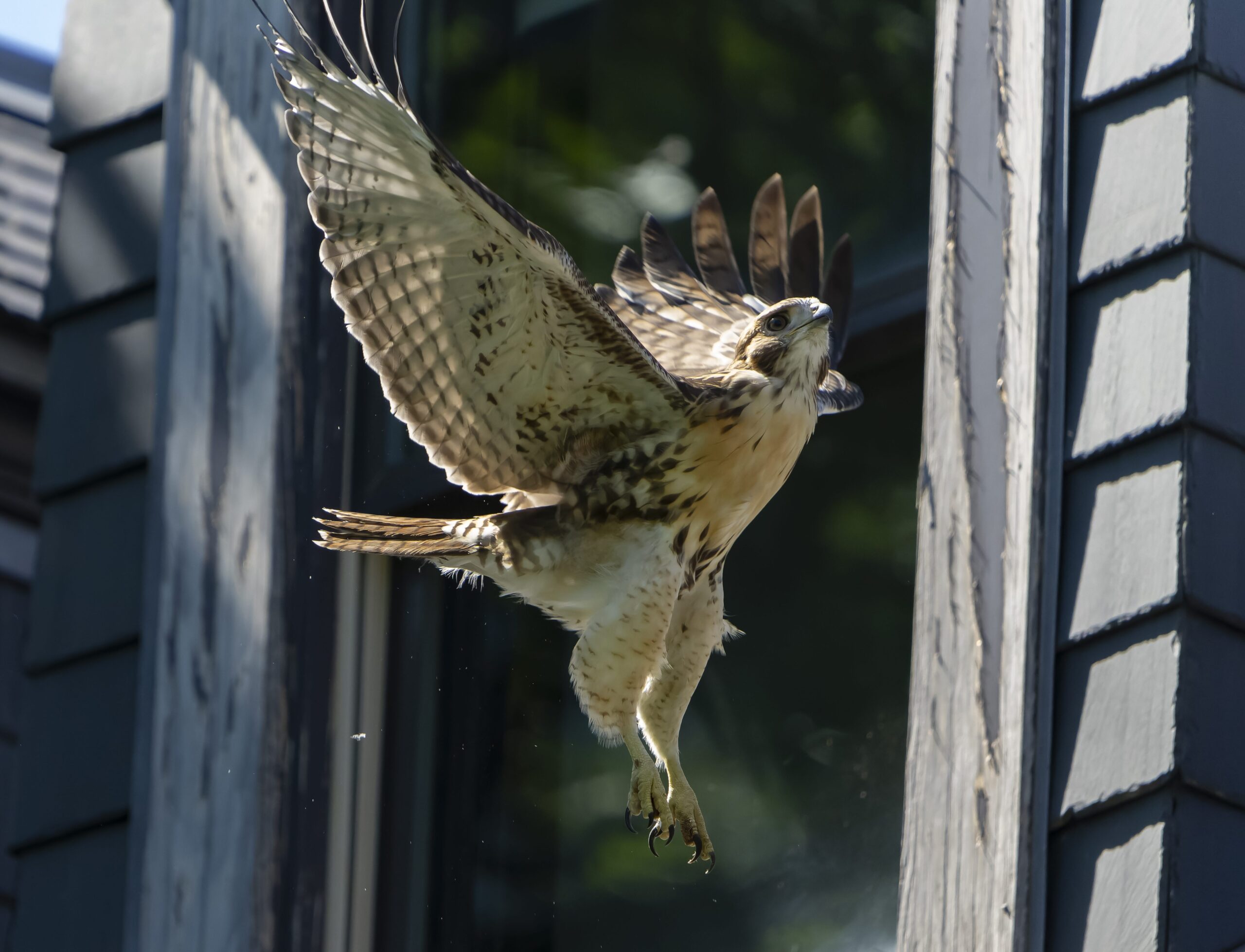
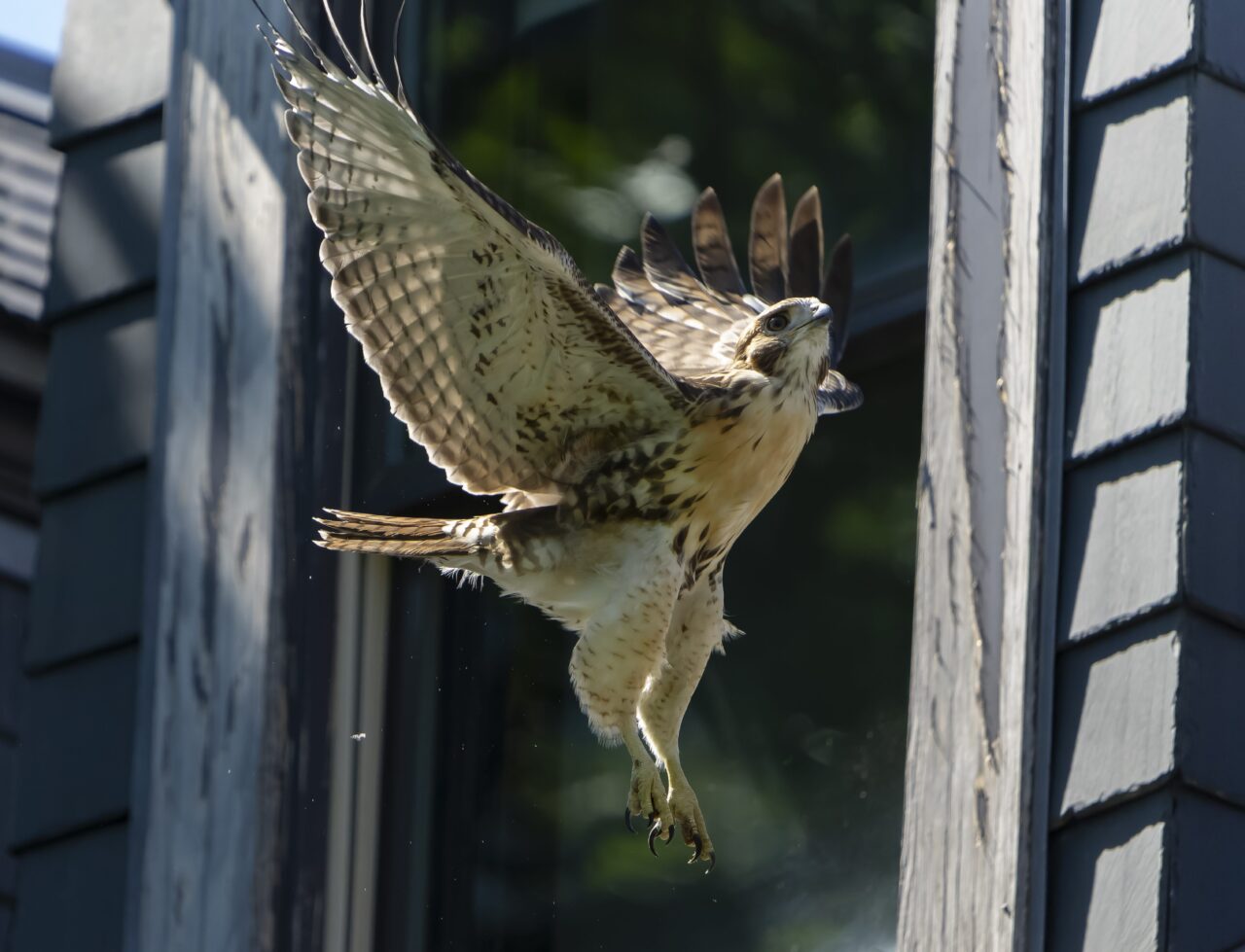
Birds can’t distinguish glass from real habitat and fly into it trying to access resources. Artificial light can exacerbate this issue, particularly in urban areas.
Impact

Glass collision is the third largest threat to birds. Bird populations are in steep decline. The U.S. and Canada have lost 29% of breeding birds since 1970.
Solution

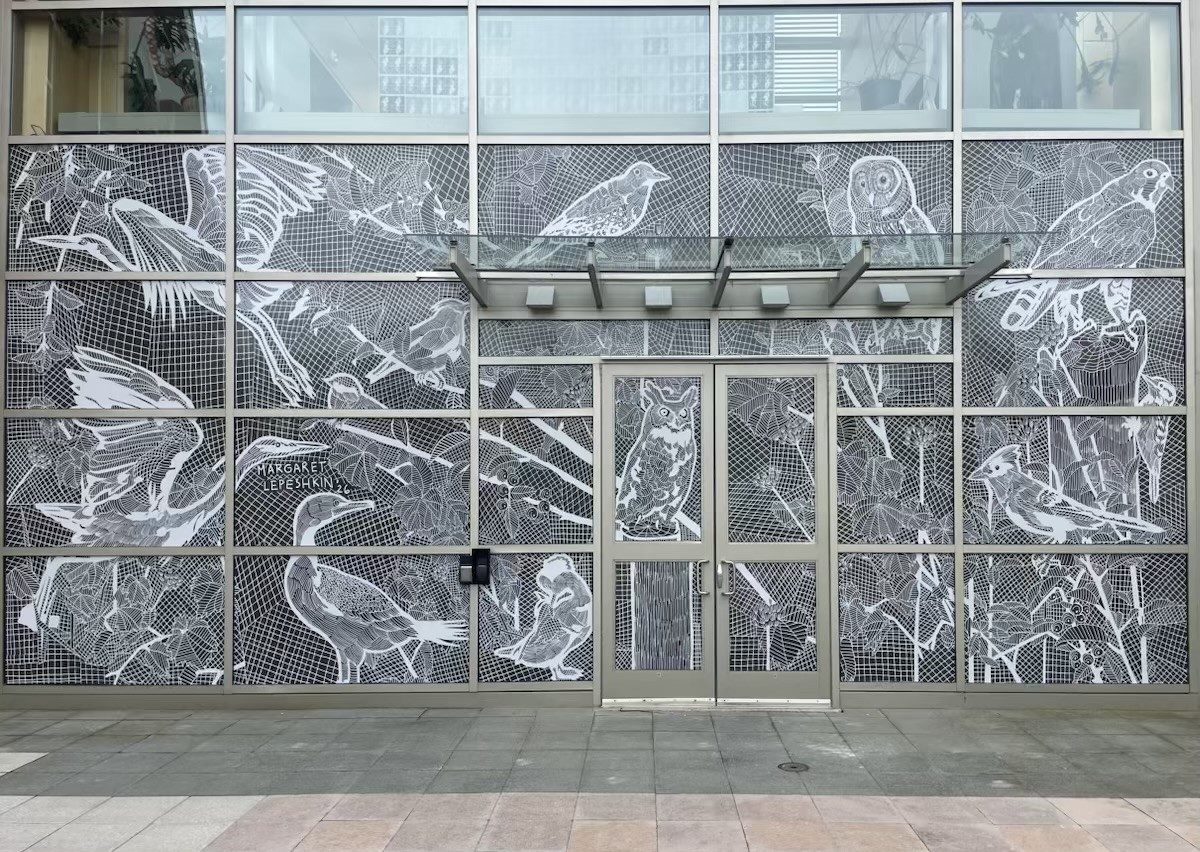
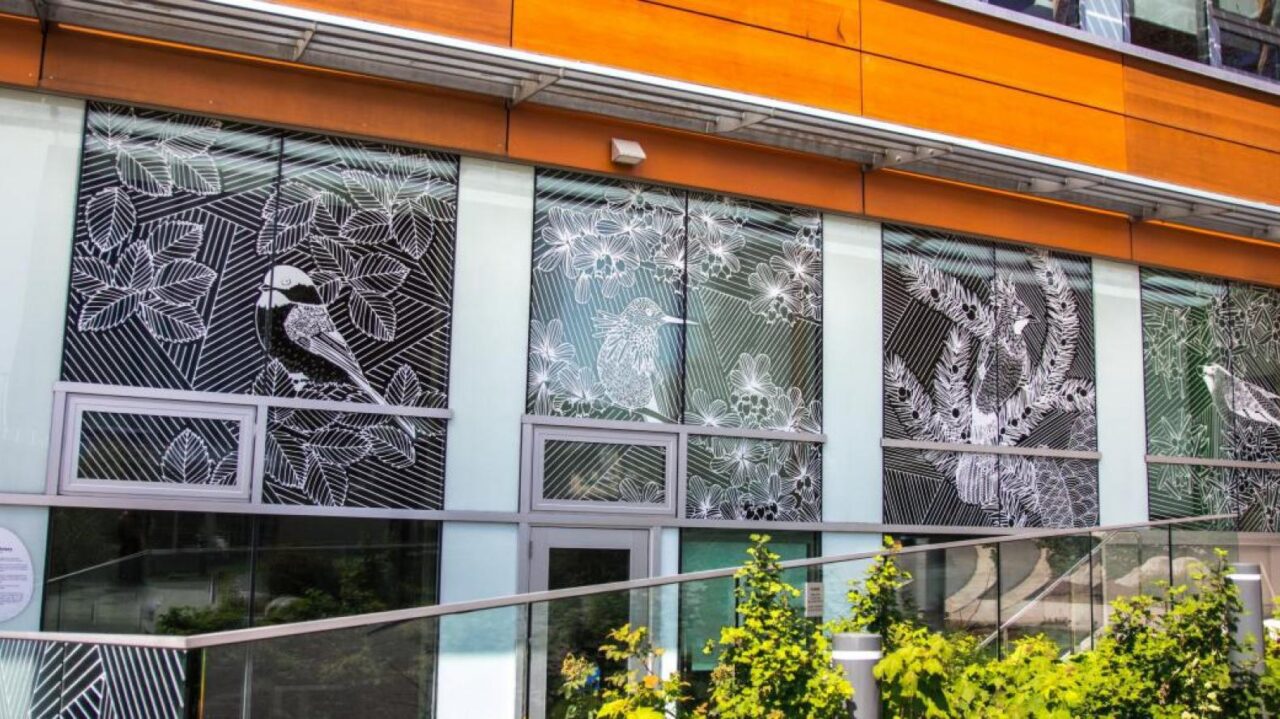
The solution to glass collisions is making glass visible to birds. To learn more about how to do this and other solutions, go to stopbirdcollisons.org
Interested in Joining Our Team?
Email deadbird@cornell.edu for more information on participating in the student initiative.
Have You Seen a Dead Bird On Campus?
If you find a bird that is dead or injured in a collision with glass, report it to dBird.org. These data help identify collision hotspots and prioritize solutions. If you find an injured bird that can be captured for rehabilitation, call the Janet L. Swanson Wildlife Hospital: (607) 253-3060
News Section
 December 15, 2022“Disrupt the Reflection” University of Pennsylvania
- August 12, 2022Red-tailed Hawk Fledglings Face Invisible Challenges
- July 14, 2022Sad News, Young Hawk “L1” Found Dead
- July 17, 2020Sad News, Red-tailed Hawk Fledgling “J1” Has Died