
Participatory Science
We support engagement in science for everyone
The Cornell Lab’s roots in participatory science are deep—we’ve been engaging the public in data collection and sharing since the 1960s. Our Nest Record Card program was the first nationwide “citizen science” project and the Lab has since invested heavily in participatory research programs that now engage millions each year and generate data that fuels scientific discovery and conservation.
We continue to expand and diversify ways for the public to share their scientific observations with global communities. The Center for Engagement in Science and Nature hosts NestWatch and FeederWatch and supports growth in eBird as well as events like the Great Backyard Bird Count and Global Big Day. We are dedicated to developing new opportunities so that anyone with an interest in nature can transform into an active participant in science.
Our Initiatives
Explore the Cornell Lab’s many opportunities to share bird observations from anywhere—whether it’s from the comfort of your home or from a remote corner of the globe. Sharing your data helps you stay in touch with the nature that surrounds you and helps the worldwide community gain insights that fuel bird conservation. You can find a project that fits your interests and participate as often as you’d like. Not an expert? Don’t worry—our tools will guide and support your learning. Every data point you share contributes to our collective understanding of how we can help birds and nature.
Project FeederWatch
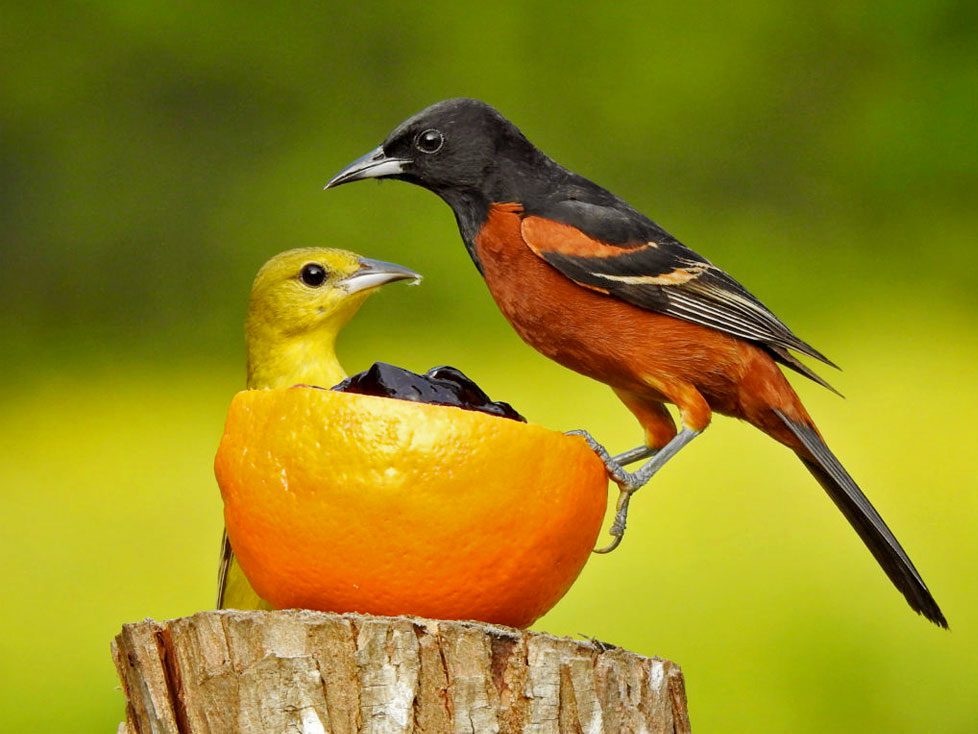
Share your backyard bird observations and take bird-friendly action. FeederWatch invites people to observe birds in their yards and neighborhoods as we work collectively to understand how people and birds interact. To participate, people observe and count birds from November to April, making critical contributions to participatory science and conservation.
Resources
NestWatch

Monitor a nest, safeguard the next generation. Thousands share their observations of breeding birds each year with NestWatch. Thanks to this dedicated community monitoring nests over time, we are able to understand reproductive success and population trends that standard birding checklists cannot deliver, adding a key piece of biological information to our conservation toolbox.
Resources
Great Backyard Bird Count
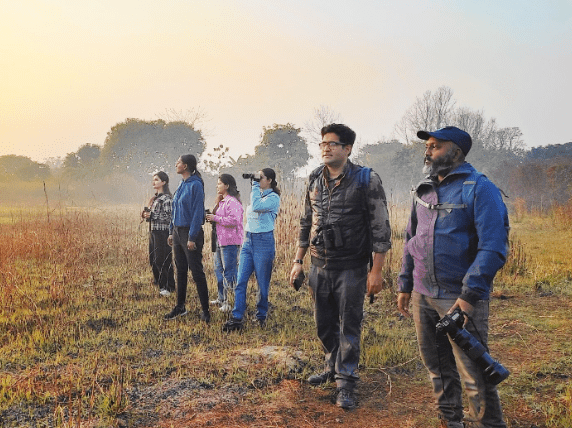
Join the fun, propel the movement. This global event engages people worldwide to share the birds they observe over four days in February. It’s a collaborative effort between the Cornell Lab of Ornithology, the National Audubon Society, and Birds Canada. The data shared in this global community helps participants track their local areas over time while helping scientists track changes in bird populations.
Resources
eBird
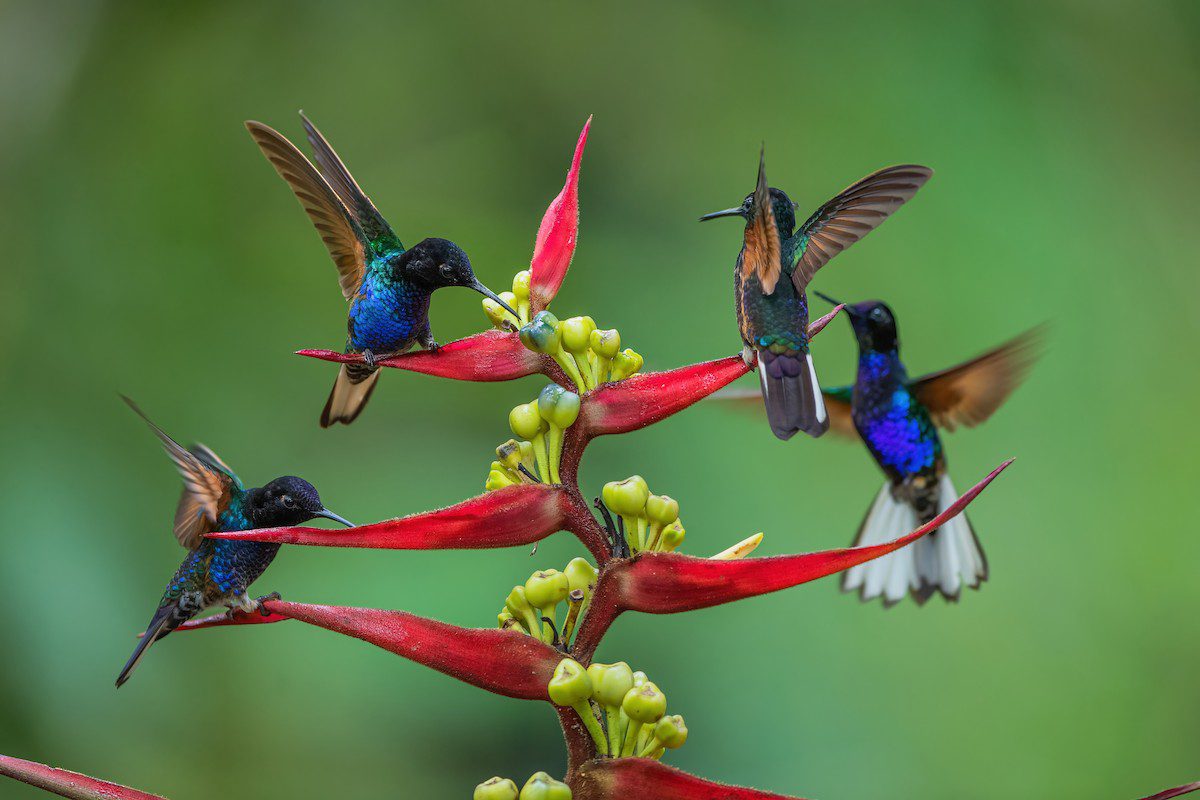
Track your birding, fuel biodiversity monitoring and conservation. The Engagement Center supports the Lab’s eBird team to grow the eBird community. Every hour of every day, people from all over the globe are recording their checklists in the eBird platform. This vibrant community has made more than 2 billion bird observations, vital information that is now driving conservation policy and habitat protection worldwide.
Resources
What Is Participatory Science?
At the Cornell Lab, we use participatory science as an umbrella term to describe collaborations between the public and scientific institutions to collect data, forward scientific knowledge, and/or address community-based conservation concerns. Participatory science is something we care deeply about as an organization and invest in continuously. Interested in the terminology we use? Participatory, Citizen, and Community Science: A Guide to Terminology