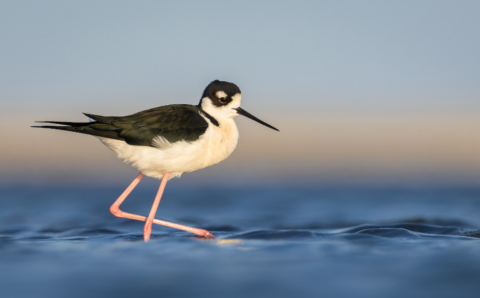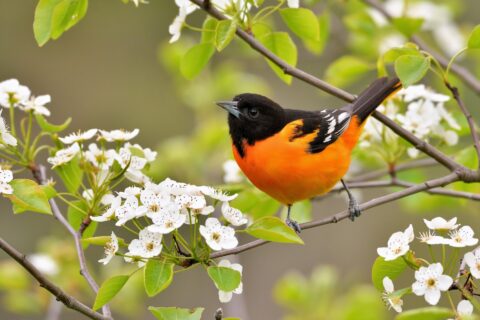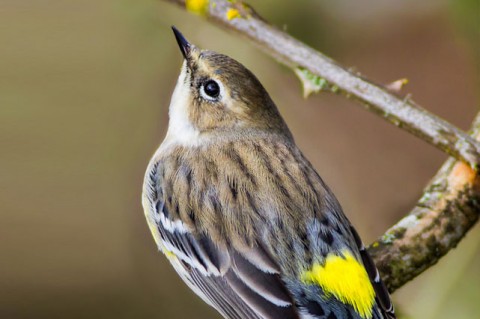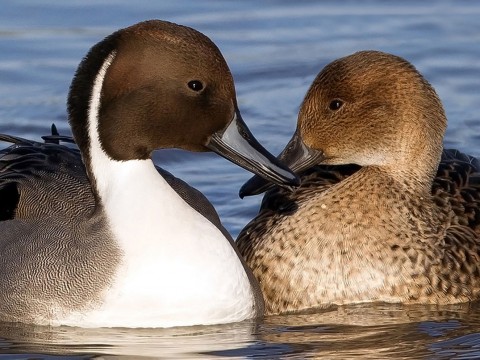
The existing network of bird conservation partners and resources provides an excellent opportunity for land trusts to engage in conservation at different scales. This Resource Directory is designed especially for land trusts: bringing many of the resources together in one place and helping navigate the resources to find what is pertinent to land trusts. The resources can be useful for land trusts’ funding proposals, community outreach, strategic conservation planning, land acquisition and easement justification, management plan development, and monitoring. The resources on these pages are organized by four categories – Engaging People, Planning, Management Guides, Presentations and Publications, and Equity, Diversity, Inclusion, and Justice.
If there are additional resources that you’ve found helpful and would like added to the site, please email us with the resource name, category in which it should be listed, online link, and a description of how it’s useful to land trusts. We value your contributions!
 ShorebirdViz: Track Shorebird Migration on Your Land
Shorebirds make some of the longest migratory trips in the bird world, with some species travelling from South America to Alaska every year and seeking wetland refuge throughout their journey. To better understand shorebird movement and relative abundance, the Cornell…
- Saving Land Magazine: Help Birds
Birds connect us to wild spaces and our natural world. They help to pollinate plants, disperse seeds and are bioindicators of ecosystem health. Birds bring people together and give them joy. But now, birds need our help.
- Riparian Ecosystem Guide
Guides in this section are representative of landscapes consisting of plant communities contiguous to waterways or bodies of water with visible vegetation or physical characteristics that reflect permanent water. They are typically transitional zones between wetland and upland habitats.
- Partners in Flight
Partners in Flight is a cooperative partnership that strives to combine, coordinate, and increase resources of public and private organizations in the Western Hemisphere to achieve greater success in conserving bird populations.
- Outdoor Afro
Outdoor Afro has become the nation’s leading, cutting edge network that celebrates and inspires Black connections and leadership in nature. We are a national not for profit organization with leadership networks around the country. With more than 100 leaders in 56 cities around the country, we connect thousands of people to nature experiences, who are changing the face of conservation.
- North American Waterfowl Management Plan
The North American Waterfowl Management Plan is a strategy, crafted by the waterfowl management community in the United States and Canada, to increase waterfowl populations through habitat protection, restoration, and enhancement.
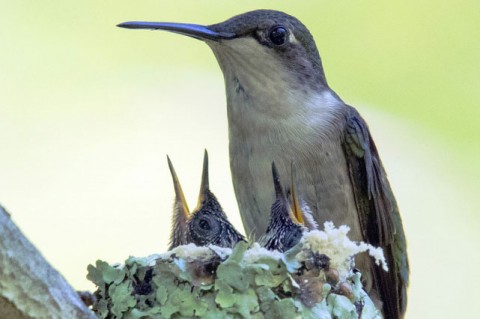
- NestWatch
NestWatch is a nationwide nest-monitoring program used to study the current condition of breeding bird populations and how they may be changing over time as a result of climate change, habitat degradation and loss, expansion of urban areas, and the introduction of non-native plants and animals.
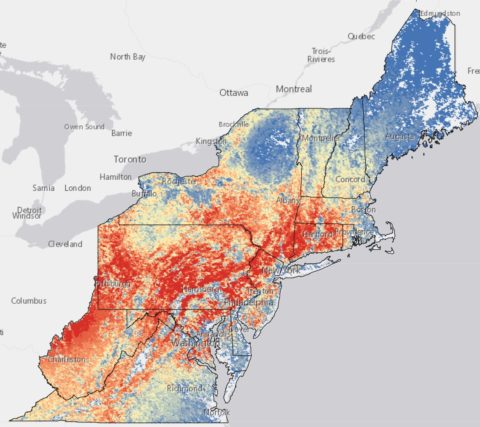
- NBHCI Mapping Tool
The Northeast Bird Habitat Conservation Initiative has launched an interactive mapping tool using eBird data designed to aid northeastern conservation practitioners and organizations in advancing conservation.
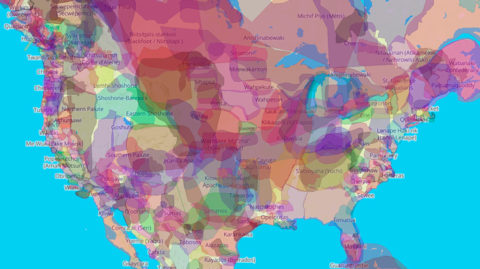
- Native Land Map
Native Land is a resource to learn more about Indigenous territories, languages, lands, and ways of life.
- NABCI Relevancy Toolkit
The North American Bird Conservation Initiative offers a relevancy toolkit that demonstrates how bird conservation can contribute to a diverse set of economic interests, human health, clean air, and clean water.