The existing network of bird conservation partners and resources provides an excellent opportunity for land trusts to engage in conservation at different scales. This Resource Directory is designed especially for land trusts: bringing many of the resources together in one place and helping navigate the resources to find what is pertinent to land trusts. The resources can be useful for land trusts’ funding proposals, community outreach, strategic conservation planning, land acquisition and easement justification, management plan development, and monitoring. The resources on these pages are organized by four categories – Engaging People, Planning, Management Guides, Presentations and Publications, and Equity, Diversity, Inclusion, and Justice.
If there are additional resources that you’ve found helpful and would like added to the site, please email us with the resource name, category in which it should be listed, online link, and a description of how it’s useful to land trusts. We value your contributions!
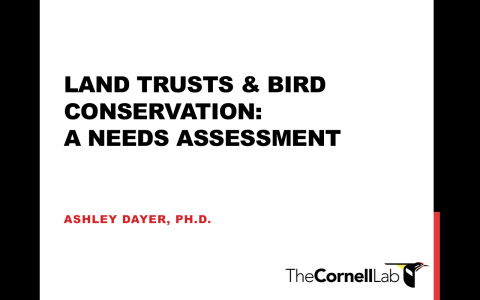
 Land Trust Initiative: National Results Presentation
A presentation on land trusts and bird conservation, including information and results from the Cornell Lab of Ornithology’s Land Trust Initiative survey, recommendations, and next steps.
- Land Trust Bird Conservation Promotional Materials
The Cornell Lab of Ornithology has created a bookmark, power point slide, and press release to help land trusts promote and advertise the Land Trust Bird Conservation Initiative website and its resources.
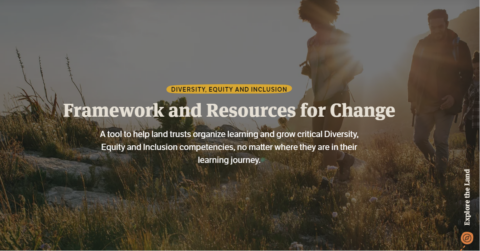
- Land Trust Alliance: Framework and Resources for Change
The Land Trust Alliance’s Framework and Resources for Change is a flexible, adaptable roadmap for personal and organizational use. A comprehensive tool for developing Diversity, Equity and Inclusion competencies, the framework is a resource for land trust staff and board members in the U.S.
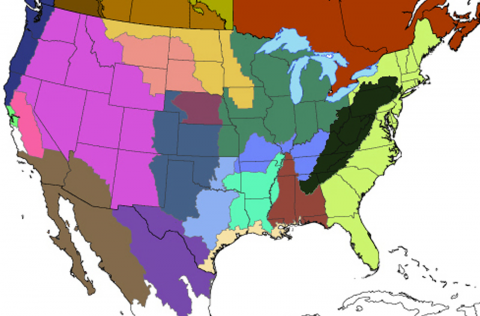
- Joint Ventures
Migratory Bird Joint Ventures are cooperative, regional partnerships that work to conserve habitat for the benefit of birds, other wildlife, and people.
- Important Bird Areas
The Important Bird Areas Program is a global initiative of BirdLife International, implemented by Audubon and local partners in the United States. The IBA program identifies and aims to conserve areas that are vital to birds and other biodiversity.
- Grassland Ecosystem Guide
Guides in this section are representative of landscapes dominated by grasses and other herbaceous species. Tree and shrub cover is typically less than 10%.
- Forestland Ecosystem Guide
Guides in this section are representative of landscapes or natural woodland systems dominated by trees and other woody plants where tree cover typically ranges from 25% – 100% cover.
- Feminist Bird Club
The Feminist Bird Club is dedicated to promoting inclusivity in birding while fundraising and providing a safe opportunity for members of the LGBTQIA+ community, BIPOC, and women to connect with the natural world.
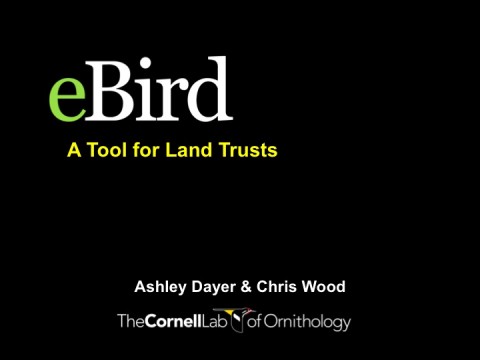
- eBird: A Tool for Land Trusts Presentation
A presentation on eBird, what it is, how land trusts can best utilize it, and an introduction to its various features such as eBird’s Location Explorer, HotSpot Explorer, Species Distribution Maps, and Data Download.
- eBird Trip Reports
Looking for new ways to tell stories on your land? eBird Trip Reports are a great way for land trusts to engage the birding community and share birding stories.
With eBird trip reports, birders can compile their eBird checklists to make…