
Visitors: Winter, Spring, Summer 2025
We collaborate with many national and international researchers in the field of bioacoustics. As part of these collaborations, we regularly host students and other scientists in Ithaca, NY.
This season we’ve had visitors from Germany, Norway, Colombia, and England!
If you have funding and are interested in visiting in the future, please read more here and reach out.
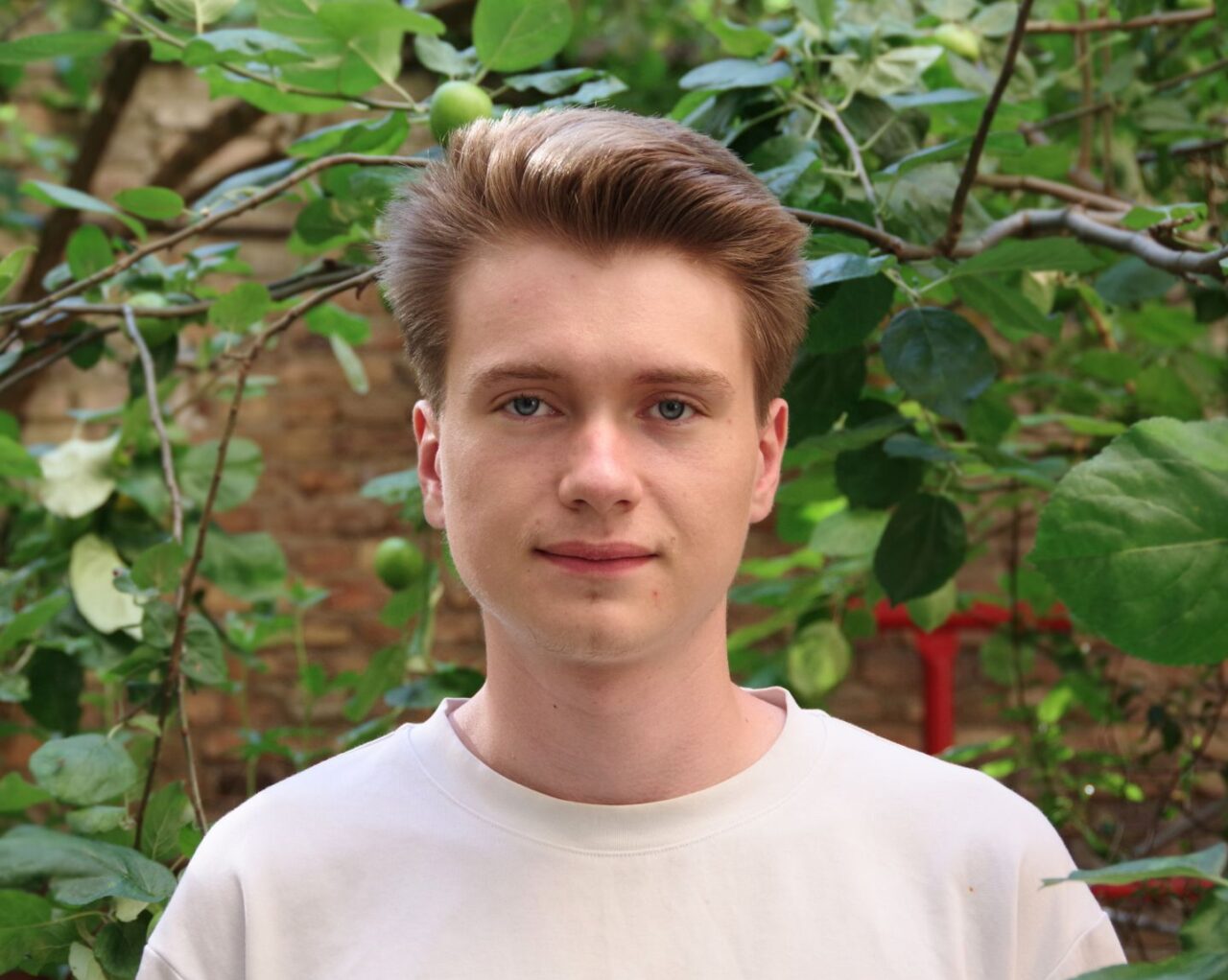
I am currently an undergraduate student in Computer Science at the Humboldt University of Berlin in Germany. I wrote my Bachelor’s thesis in computer graphics on the compression of 3D point clouds. Prior to my visit, I also worked part-time
as a software developer. During my 3-month stay at the Yang Center, I developed and tested an audio fingerprinting algorithm for detecting illegal acoustic bird traps used in poaching songbirds.
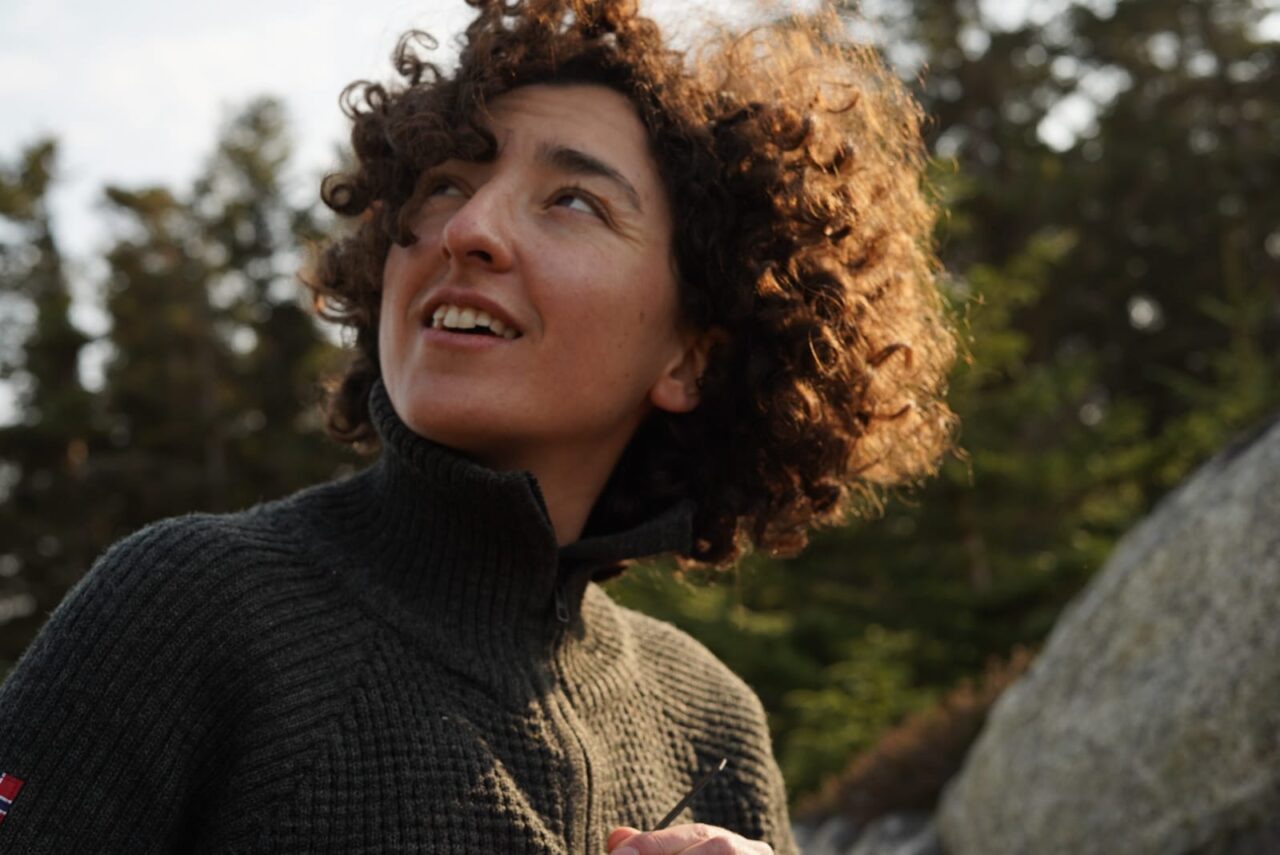
Julia Wiel
PhD Student/Norwegian Institute for Nature Research (NINA) and Norwegian University for Science and Technology (NTNU), 2025
After graduating from the School of Civil, Environmental and Urban Engineering in Lyon (ENTPE, France), I worked for three years at the Norwegian Institute for Nature Research (NINA) as a research assistant. I was responsible for data collection, management, and analysis using various monitoring methods. In terrestrial environments, I worked with PAM, camera traps, eDNA, and snowtracking. In marine environments, with PAM and ROVs. I contributed to reports involving statistical analysis in R and mapping in QGIS.
In 2024, I began a PhD at NINA in collaboration with the Cybernetics Department of NTNU to further develop NINA’s expertise in PAM. My PhD is part of the Transnational Bioacoustic Monitoring Network (TABMON) project, which aims to (i) showcase the use of PAM for
filling gaps in biodiversity monitoring schemes, and (ii) produce Essential Biodiversity Variables (EBVs, GEO BON).
My research focuses on good practices and methods for data collection and analysis, including data management, detection space, data annotation, and more. My goal is to make PAM more accessible and widely recognized as a robust tool for biodiversity monitoring.
I visited the Yang Center to gather feedback from bioacousticians on our proposed standard for bioacoustic data, based on Camtrap DP, an existing standard for camera trap data.
I always loved to see the reaction of people when asking me what’s my job: “Listenning to fish”.
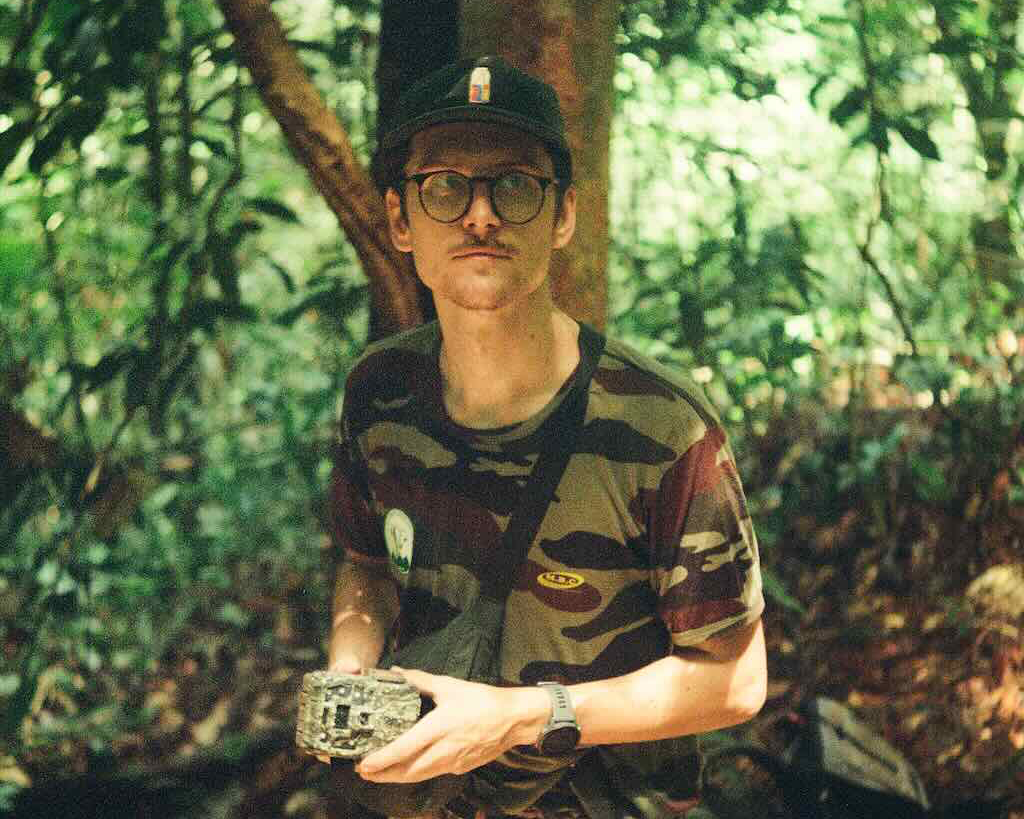
I am a Dutch tropical ecologist and PhD candidate at Imperial College London. My work focuses on the intersection of biodiversity conservation and agricultural production. Using camera traps and acoustic data, I study how different palm oil production methods affect biodiversity in Malaysian Borneo. I am particularly interested in sustainable practices, such as organic and polyculture farming.
At the Yang Center, I am developing automatic acoustic detectors for Bornean
primate species. I am testing several state-of-the-art AI models, such as BirdNet and human speech models, and working out how they can be optimised for primate calls.
I have just returned from almost two years of fieldwork in the forests and palm oil plantations of Borneo. It took a while to get used to living in the USA, but I am loving my time in Ithaca!
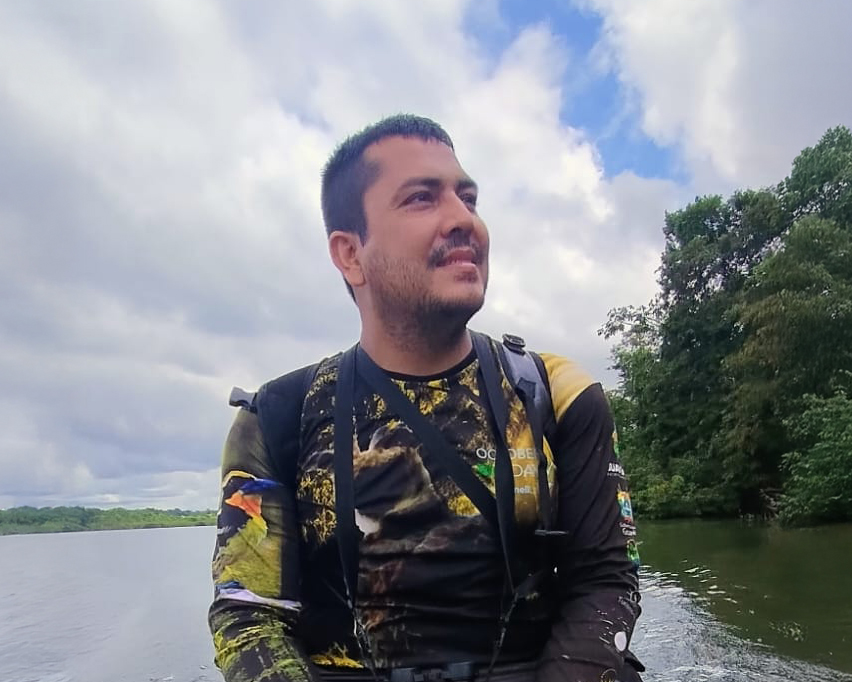
Wilmer Andres Ramirez Riaño
Operations and research coordinator at Happy Life Guaviare
Natural Resource Management Technologist – National Learning Service – SENA – 2012
I’m working with birds in Guaviare. I’m interested in bioacoustics and researching the presence and distribution of birds in Guaviare. I’m an amateur wildlife photographer and use my photographs as educational tools to teach about the importance of animals in ecosystems. I’m a specialized birdwatching guide. During my tours, I like to showcase nature, but I also teach respect for wildlife.
I was learning about tools for processing data taken with automatic recorders, I learned
about tools such as Birdnet Analyzer, Raven Pro and Raven Compass, I was also supporting the validation of species found in the research project of PhD student Charlie Tebbut on species associated with rubber crops in Guaviare.
It was an honor to visit the Yang Research Center. I learned many things that can be useful for my work in Guaviare and that I would like to share with my colleagues who are working with bioacoustics in the Amazon.
…and more to be added!