Year In Review – Ashik Rahaman
Applying technology for species conservation.
My work spans many areas of the newly created Center for Conservation Bioacoustics (CCB) and contributes directly towards the conservation of birds and biodiversity around the world. Through scientific research, capacity building, and public engagement efforts, I have been engaged in extending the Cornell Lab of Ornithology’s conservation impacts in critically important areas of the world. In recent years, I have participated in many different areas of CCB’s operation, ranging from scientific research, field work, and knowledge sharing. Growth in my professional role in CCB aligns with the growth and future vision of the Cornell Lab of Ornithology. Over the period of last several months, I have accomplished many critical goals for CCB. Following are some of the highlights.
Participation in Research and Conservation Efforts
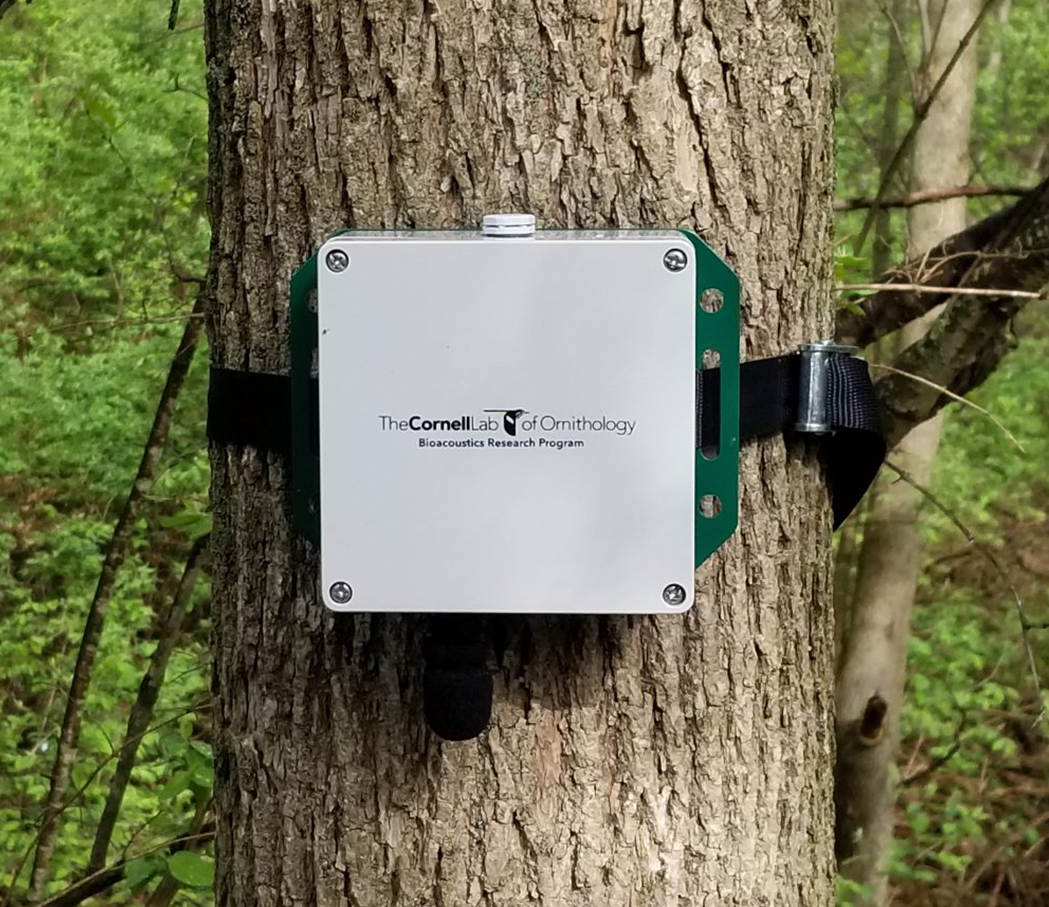
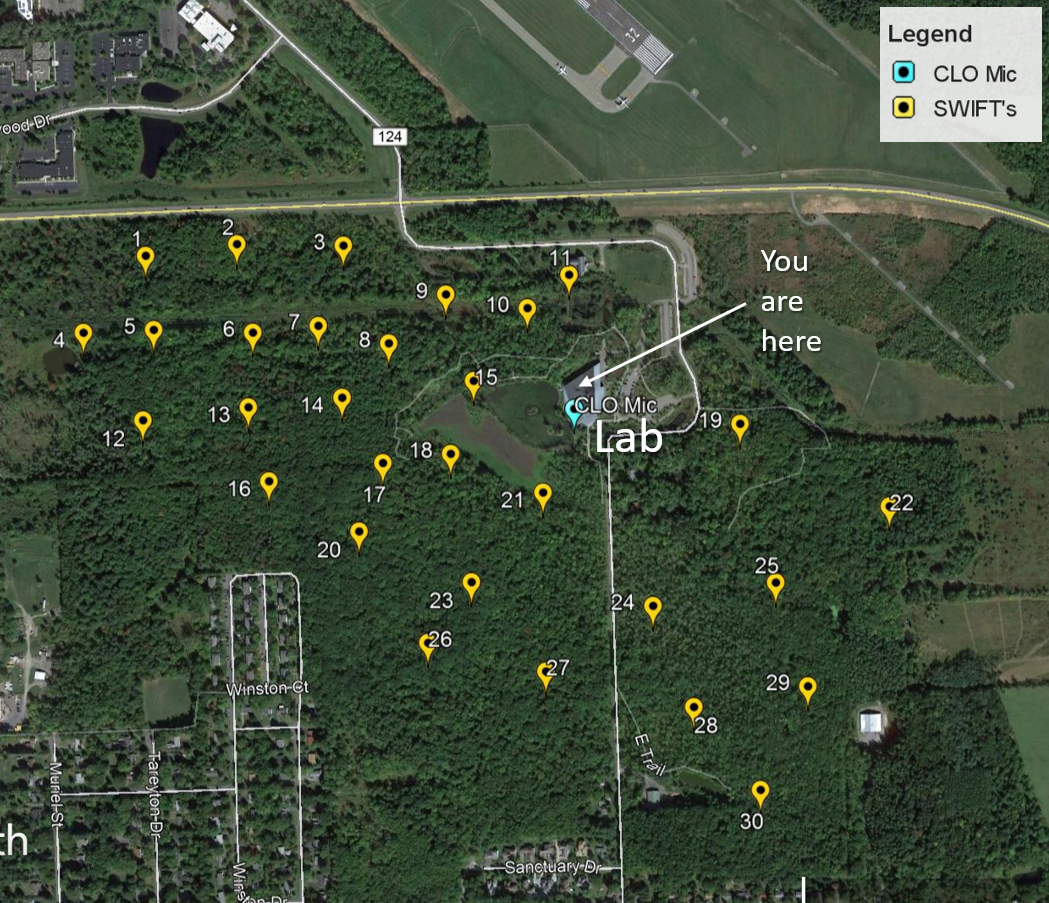
As an expert acoustic analyst I participate in improving our research capabilities in species sound recognition, detection, and classification. Working with a group of analysts, programmers, and ecologists I helped conducting acoustic baseline surveys of many critical habitats. I have provided continued support to the Sapsucker Woods Acoustic monitoring Project (SWAMP) and help disseminate the initial findings of the project to a broader audience. The data collected with an array of 30 autonomous acoustic recorders produced months long acoustic accounting of bird biodiversity, effects of anthropocentric noise, and acoustic ecology of the Sapsucker Woods sanctuary. Sharing of our methods and findings will help the broader research and conservation communities to monitor and manage the effects of anthropocentric noise on birds and biodiversity.
-

- A SWIFT unit listening to the sounds of the Sapsucker Woods
-
- Sapsucker woods SWIFT array map
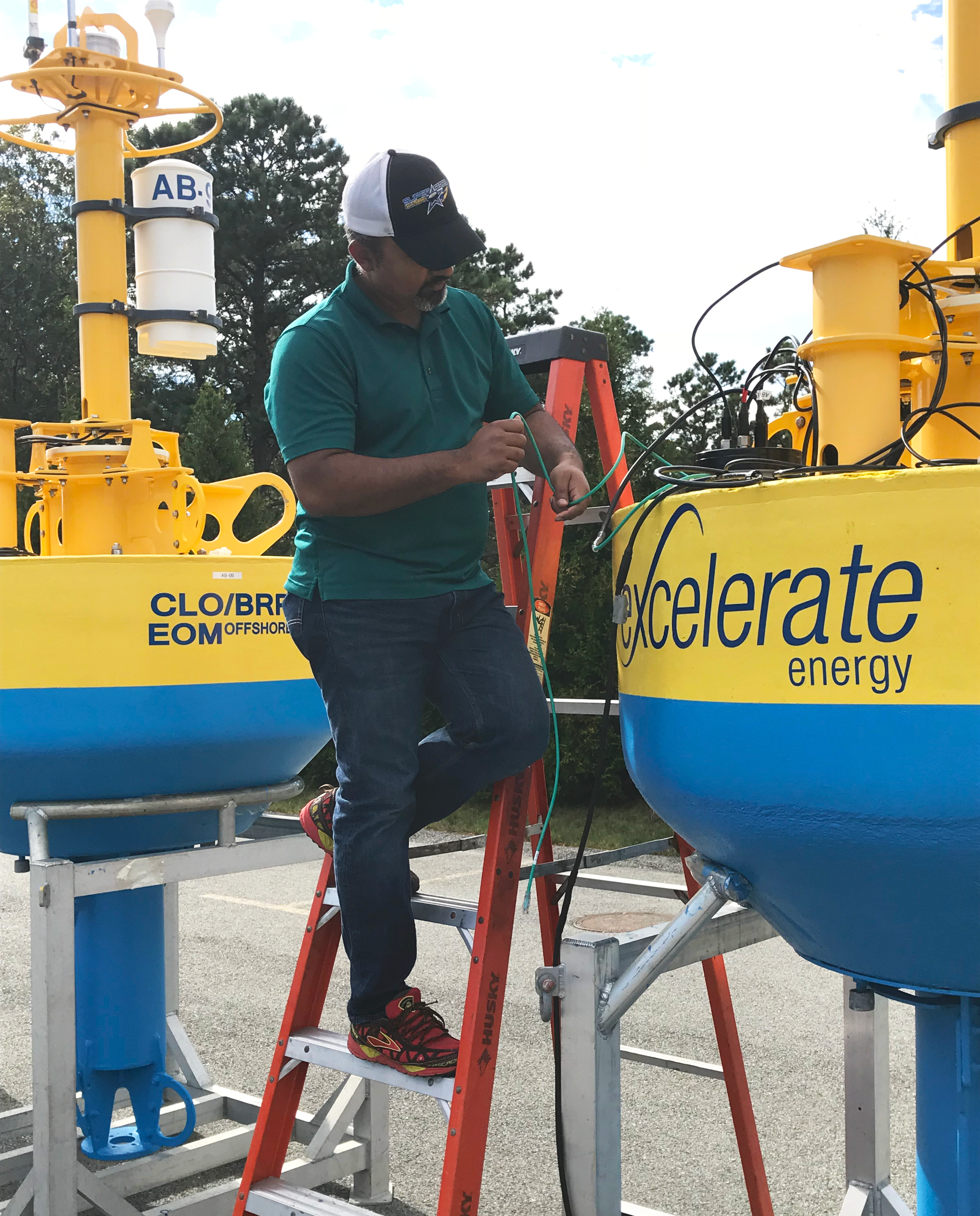
In collaboration with a group of researchers I have participated in conducting a baseline survey of the coastal marine habitats of New York bight (near the Long Island sound). The research was initiated by the New York State Department of Environmental Conservation. Findings from this study will create a comprehensive baseline for marine mammal ecology in the area and inform important decision making in the future. Additionally, have worked with a group of researchers to complete acoustic baseline survey in the proposed wind energy development areas along the Mid-Atlantic coastal region, coastal areas of the states of Maryland and Virginia. This survey will provide important information for creating sound ecological policies for wind energy development.
I have actively participated in a collaborative CLO project titled “Noise, people and birds: Understanding the potential for science to benefit historically underrepresented communities in authentic and impactful ways. The NOISE project aims to build scientific knowledge base through citizen science from a community perspective. The project aims to develop a methodology and a set of science based tools that will enable participating organizations to co-create scientific knowledge about sound and noise in the respective communities. Focus on citizen science and STEAM education are two key components of the project. Results from this project will advance knowledge, skills, attitudes, and behaviors of citizen science practitioners from dominant culture institutions regarding the participation of underrepresented audiences in the sciences. This project will also help to connect participants, including youth and their families from underserved communities, with science and nature through learning that is authentic and relevant to them.
Sound Analysis Workshop
-
- Sound Analysis Workshop

-
- Sound Analysis Workshop at the Cornell Lab of Ornithology
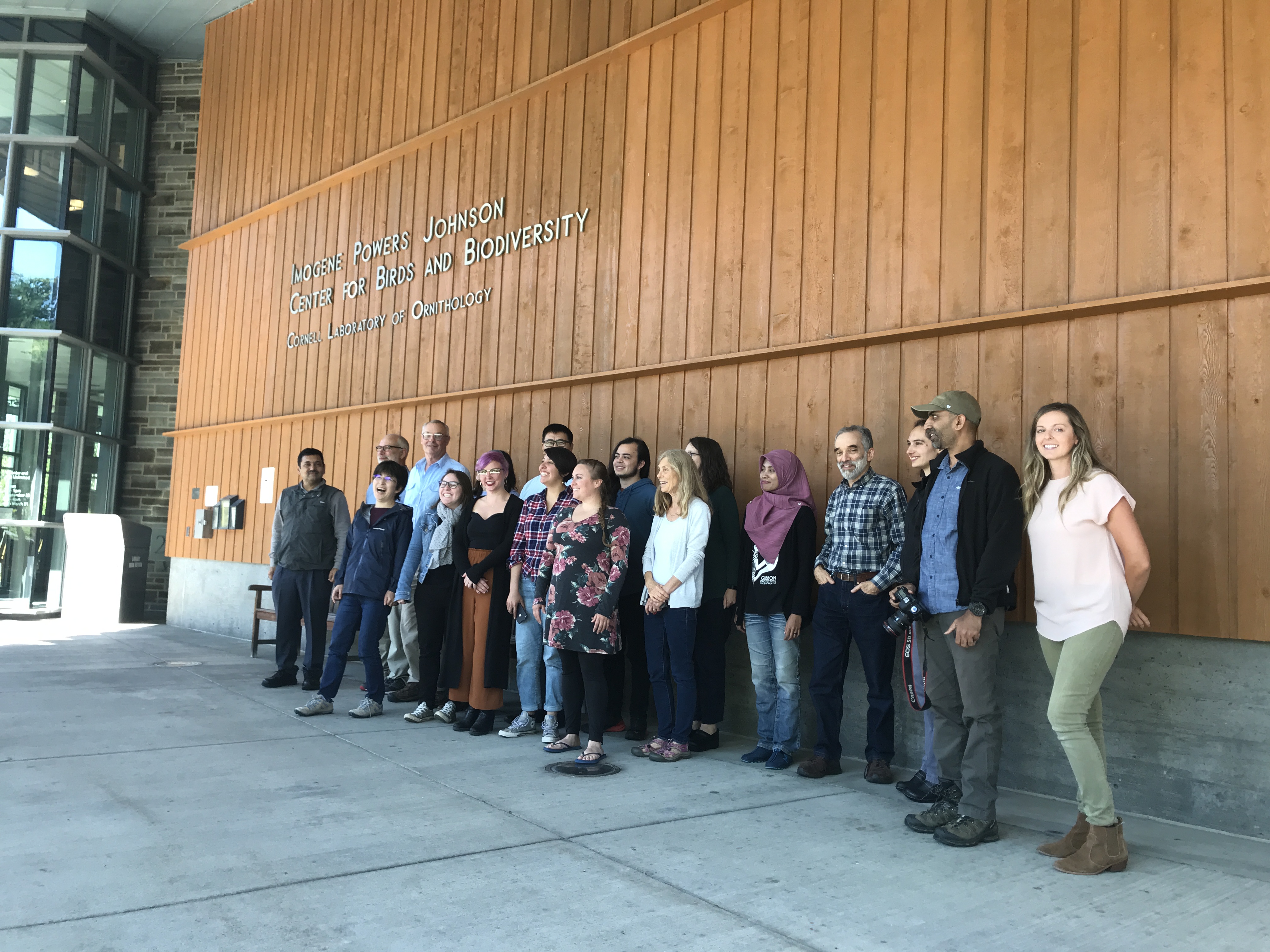
I have been an integral part of extending the knowledge of bioacoustics research through Sound Analysis Workshops. Last year, I have taught more than 30 scientists from 8 different countries in 2 separate sound analysis workshops. These workshops are instrumental in developing bioacoustics research capacity around the world. The skills taught in these workshops augment scientific understanding of acoustic behavior, communication, migration, and distribution of birds and biodiversity. Through this workshops we are able to build a network of experts who are involved in bird and biodiversity research around the world. Also, SAW is a unique platform for connecting these experts to the Cornell Lab of Ornithology.
-
- Ready for field recording.
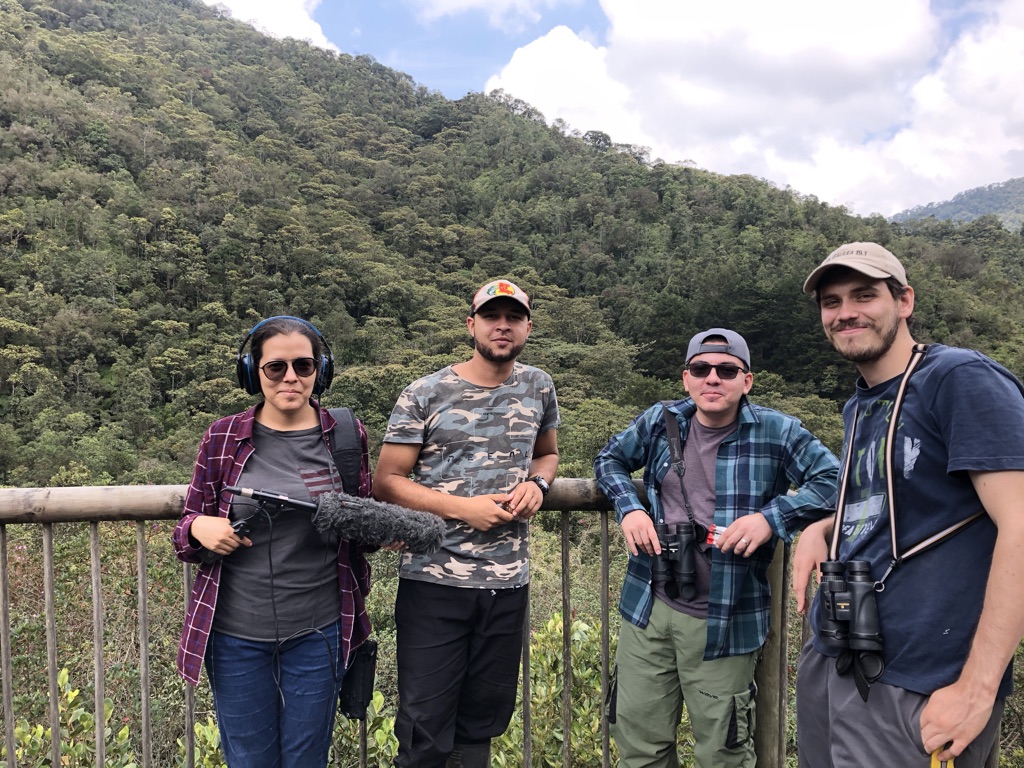

Also, I have participated in coordinating two international Sound Recording Workshops in India and Columbia. The initial response from these workshops are very positive and are integral to building essential species conservation capacity among local scientists in these countries. Also, I have provided material and instructional support to two sound exploration workshops with youth audience in Malaysia and China.
Education and Public Outreach
-
- Public outreach for science communication

-
- Sound exhibit inspires younger audience members
-
- Inspiring curiosity through sound

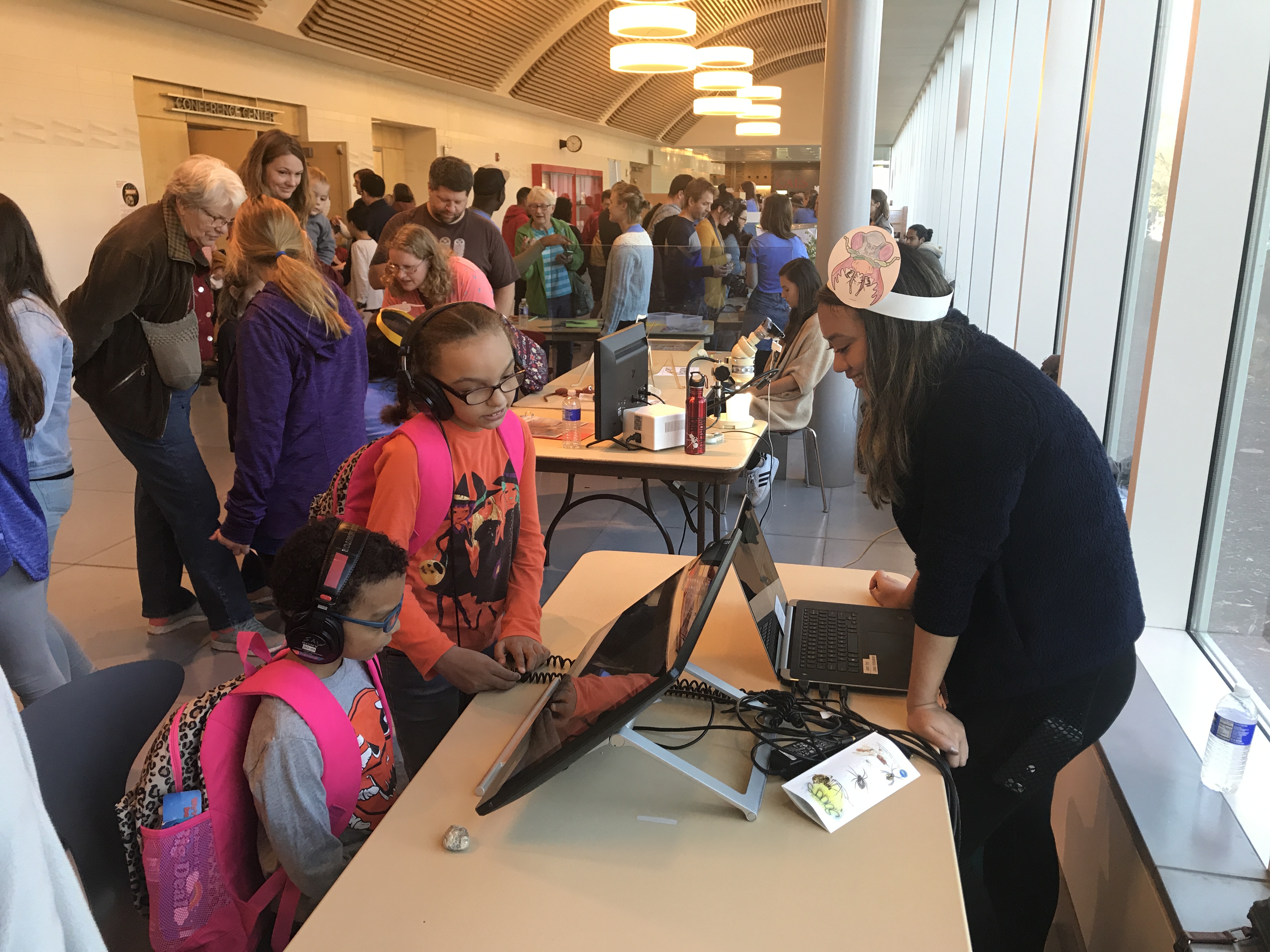
Last year, I coordinated all of CCB’s Education and Public Outreach efforts. In collaboration with CLO Education program, Celebrate Urban Birds, Membership, and Visitor center I have hosted more than 25 tours, workshops, presentations, and guided exhibits throughout the region. Main purpose of these engagement events were to link attendees with ongoing research and conservation efforts taking place at the Lab. I have coordinated CCB’s presentations in two large public events on Cornell Campus – Migration celebration day at the Cornell Lab of Ornithology and Insectapalooza organized by the Cornell University Entomology Department.
I have worked with educators and academic institutions to showcase CLO’s efforts in the area of STEAM education in the region. Working with Engaged Cornell I helped create an experiential learning collaboration with engineering students. Long term goal of such engagement is to involve a wider Cornell community to participate in conservation solutions for birds.
Additionally, I have worked with high school students from several local and regional schools to adopt bioacoustics research methods in their respective biology and science curriculum. In collaboration with several science educators, I helped develop materials that meets the curriculum standards for STEAM/science education both for high school and undergraduate science education.
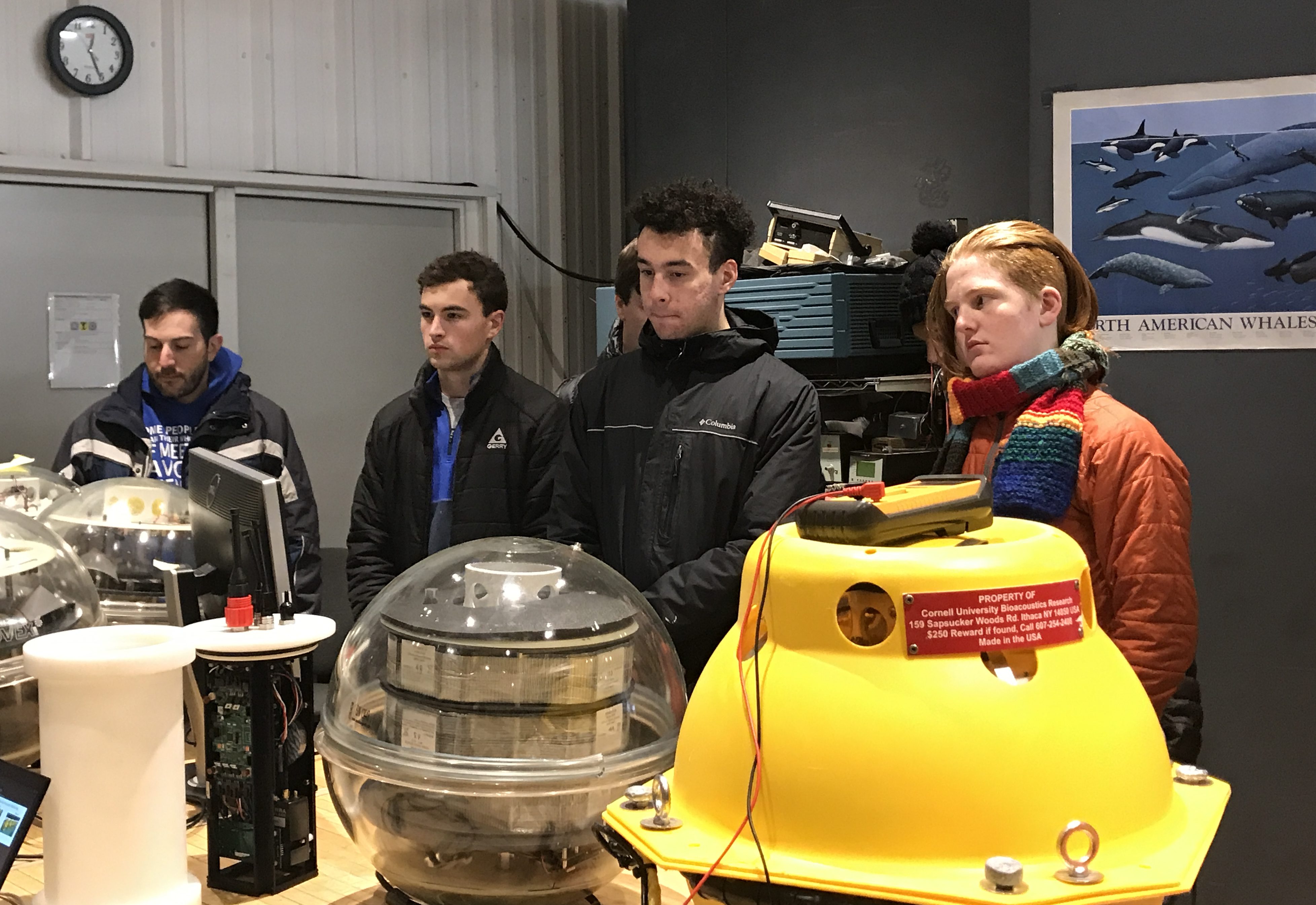
Inspiring the next generation of scientists and conservationists
Science Communication
Improving access to science and introducing people the mysteries of nature have been a focus of my work over the last few years. I am deeply committed to inform the broader Lab audience about the ongoing scientific and technology development initiatives at the Lab. I have worked on multiple avenues to improve both the reach and impacts of science communication.
I have played a lead role in enhancing and improving the Raven Exhibit (an interactive sound visualization and educational portal). The software platform offers the experience of animal sound and behavior to the users in a unique format that incorporates a lesson on the properties of sound, opportunities for game play and competition, natural history information, and a variety of species-specific information. I have helped improve the exhibit and distributed the portal to science museums, zoos, aquariums, and nature centers around the country. We were able to partner with many local and regional institutions to build and install customized Raven Exhibits at several locations including Hadson Valley Nature Center (NY), Tubac Nature Center (AZ), Florida Keys National Wildlife Refuges Complex (FL), and Woods Hole Oceanographic Institution (MA). I have continued building both customized and regionally relevant species specimen packages for Raven Exhibit that will be a part of the distribution in coming years. We have finalized building a Raven Exhibit for two universities in Brazil highlighting species diversity in the respective regions.
Based on the emerging science and the declining trend in avian population, bridging the gap between public knowledge of science and conservation of birds is more important than ever before. The support form the broader lab community helps me be a catalyst in building that bridge. My involvement in both scientific research and public outreach gives me a unique opportunity to talk to our audience about the values and importance of CLO in the conservation of birds and biodiversity around the globe. My involvement in capacity building in local and international communities, inspiring next generation of scientists and conservationists, and extending CLOs resources to undeserved communities aids in expanding the Labs impact. In alignment with CLOs vision, I would like to continue my efforts in research, conservation, and public engagement in the future and enhance CLO’s positive impact around the globe. I appreciate the resources and the capacity that CLO has extended to me. Lab’s mission inspires me to dedicate my professional focus to advance science and conservation efforts for birds and biodiversity.