
A Living Commitment to Birds, Territory, Memory, and the Future
The town of Santander de Quilichao in the heart of Cauca, Colombia is home to a community where nature sings and takes flight. This community is called Corporación Pajareros de Oro (Golden Birdwatchers Corporation). Founded in 2020, this interdisciplinary organization has a clear and powerful mission: to connect people with their natural and cultural surroundings through birds. Guided by the pillars of environmental education, conservation, research, sustainable local development, and ethno-ornithology, the Corporación Pajareros de Oro have built a network of initiatives to protect the land and the biodiversity of this area.
Thanks to a mini-grant from the Cornell Lab of Ornithology, and to the leadership and commitment of the Corporación Pajareros de Oro, its members carried out the project Una Cultura de Conservación, Educación y Valoración por las Aves de la Tierra de Oro (A Culture of Conservation, Education, and Appreciation for the Birds of the Golden Land). This transformative program included 13 activities covering five strategic areas, reaching local, regional, and even international audiences.
Environmental Education: Planting Wings at School and at Home
Through the program Aves, Territorio y Escuela (Birds, Territory, and School), the corporation has built environmental awareness in schools, community action boards, and neighborhood spaces. From workshops with children at the Fundación Colombina (Colombian Foundation), to activities like Pinta el Antifaz del Ave (Paint the Bird’s Mask) or Sopa de Letras de la Biodiversidad (Biodiversity Word Search Puzzle), each initiative has brought new generations closer to respecting the winged life around them.
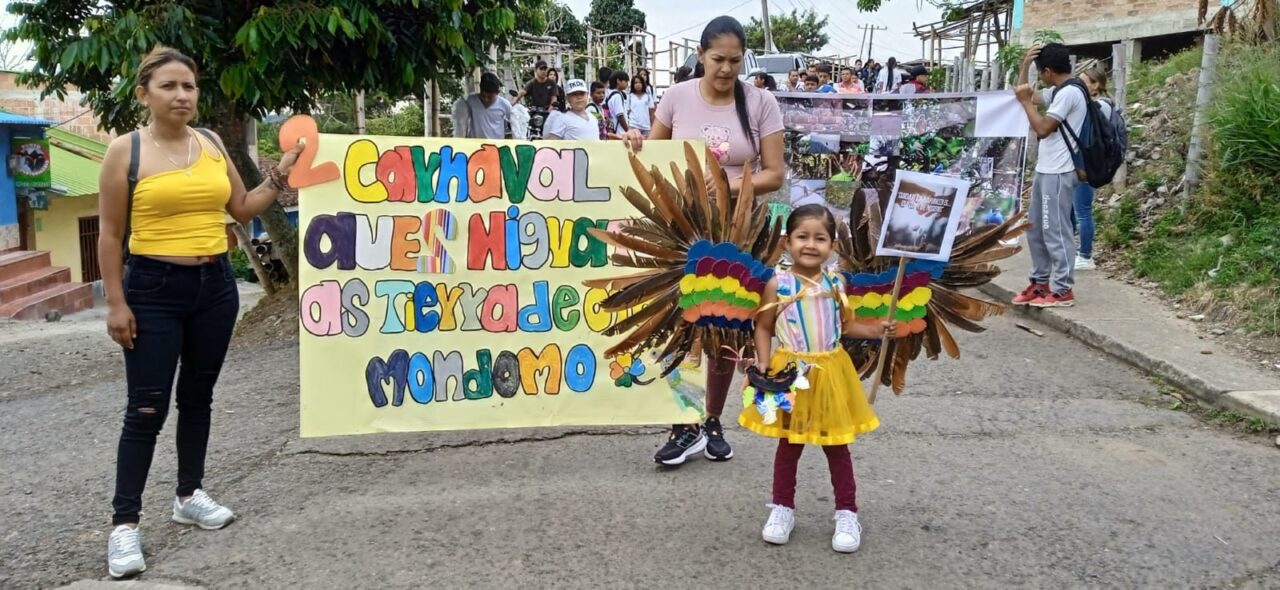
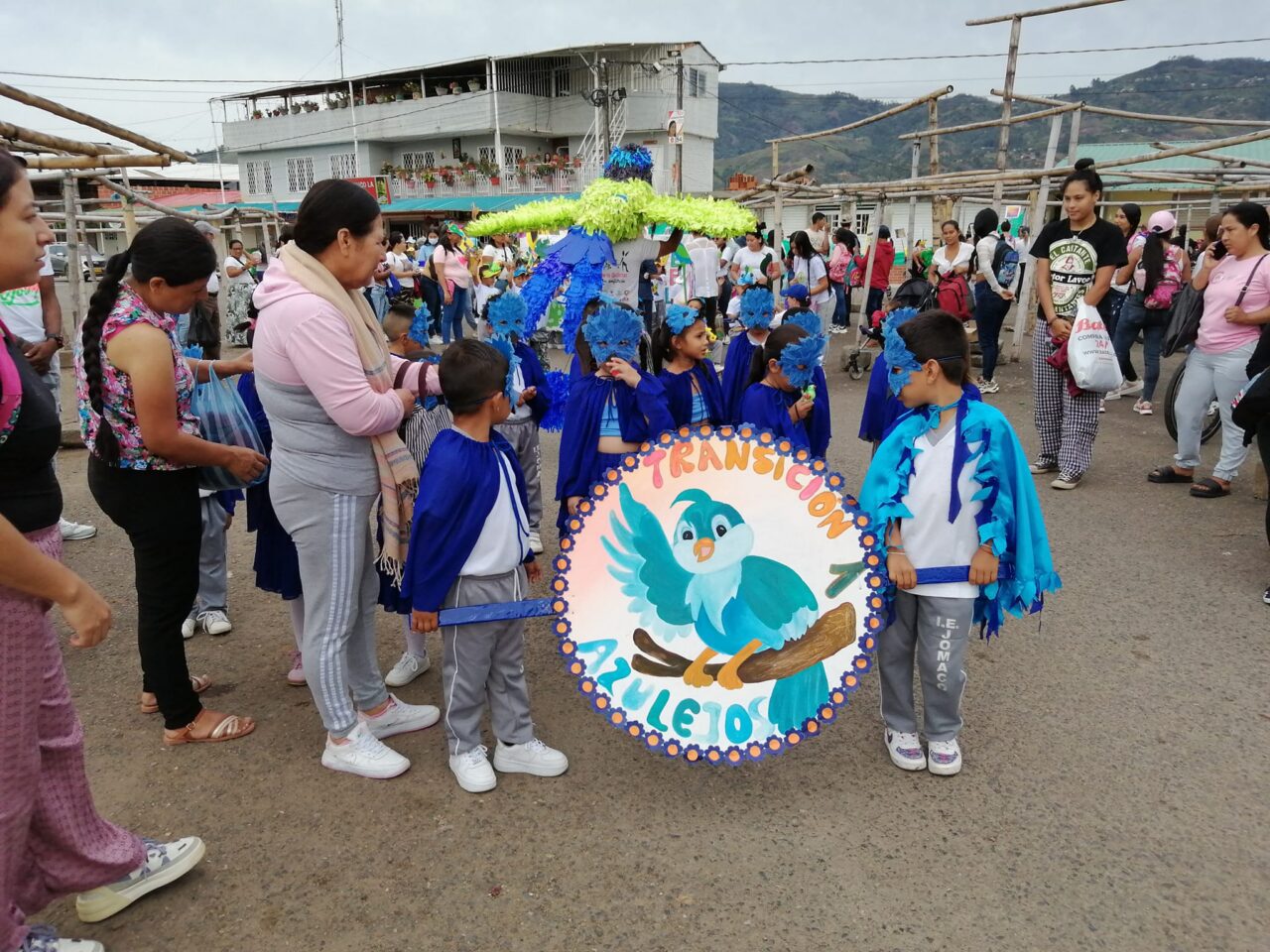
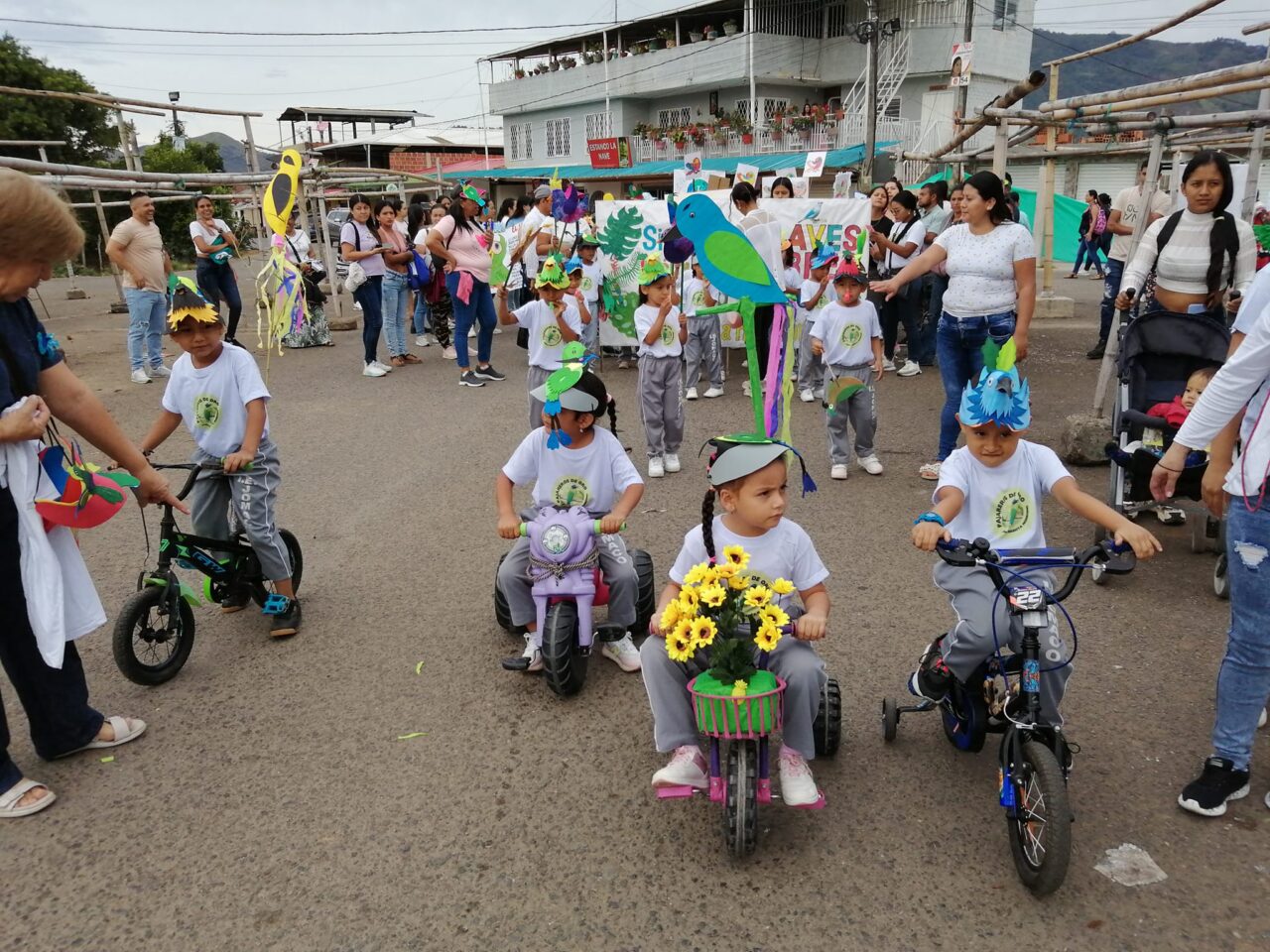

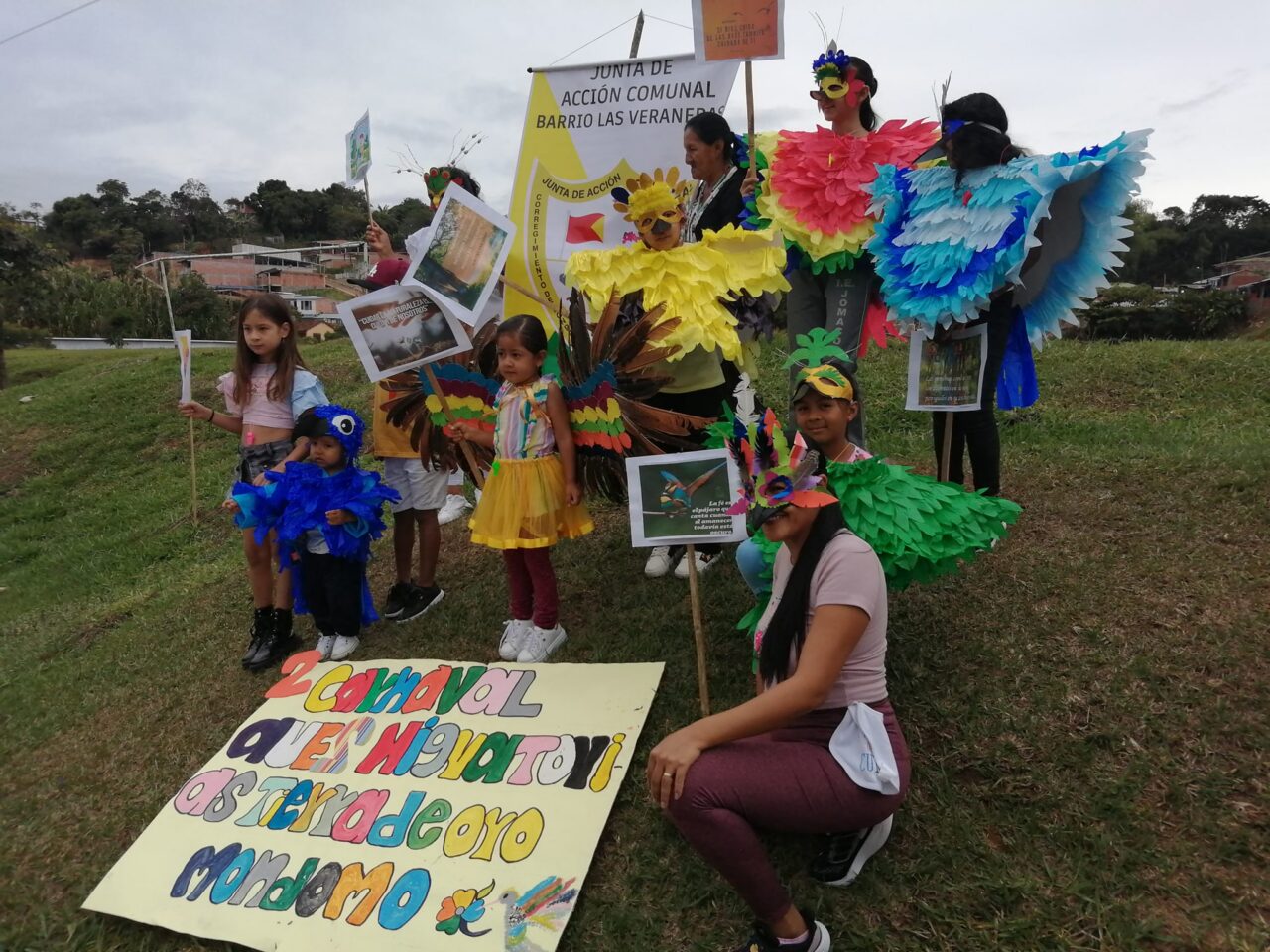
One of the most emblematic activities was the Carnaval de las Aves Migratorias y de la Tierra de Oro: Rutas y Vuelos de Libertad (Carnival of Migratory Birds and the Birds of the Golden Land: Routes and Flights of Freedom), which filled the streets of the rural Mondomo district with color, music, and knowledge. Over 500 participants, including students, teachers, community leaders, and families, marched together to celebrate the diversity of the region. The festival featured exhibitions, local cuisine, a historical-cultural discussion, and reflections on both human and avian migration.
Citizen Science: Looking at the Sky and Understanding the Land
In its community research work, the Corporación Pajareros de Oro actively took part in Global Big Day and October Big Day, worldwide birdwatching events led by the Cornell Lab of Ornithology. The community not only recorded species and behaviors; they also strengthened their role as citizen scientists! A highlight of this effort was the creation of the Ruta de los Solares (Route of the Suns), the region’s first initiative to study birds in backyards and urban gardens as key microhabitats.
Territory, Coffee, and Photography: Walking with the Birds
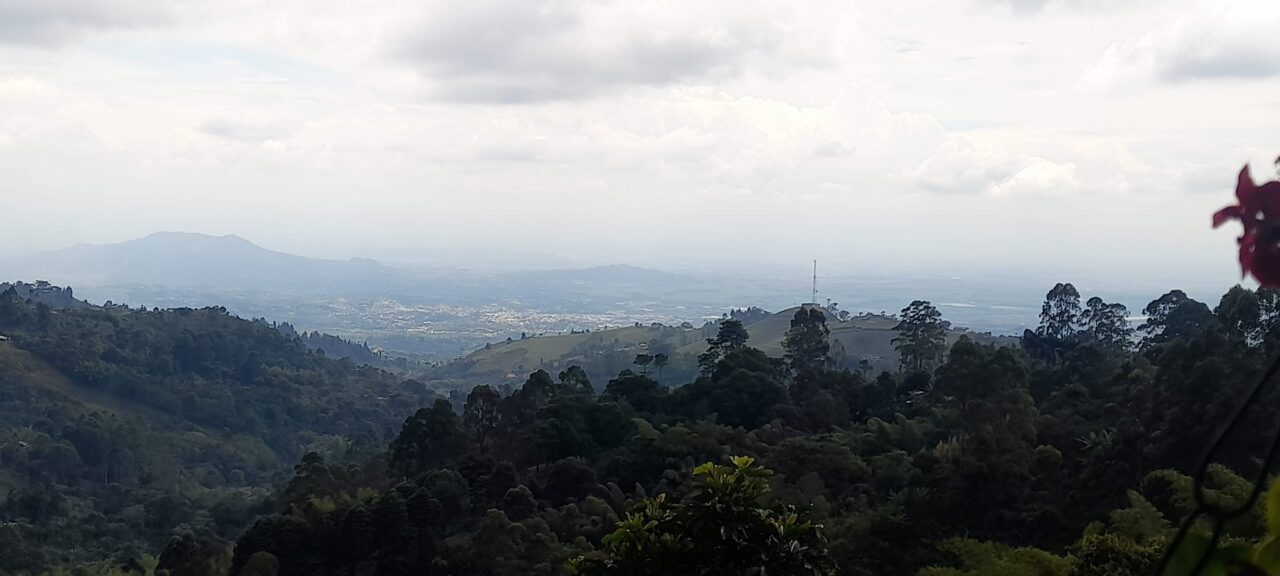
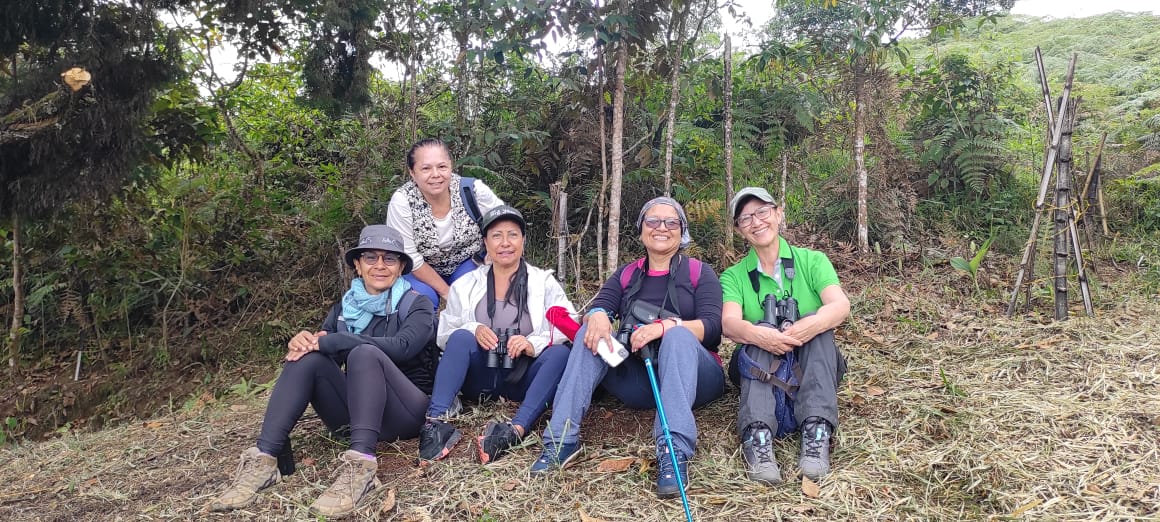
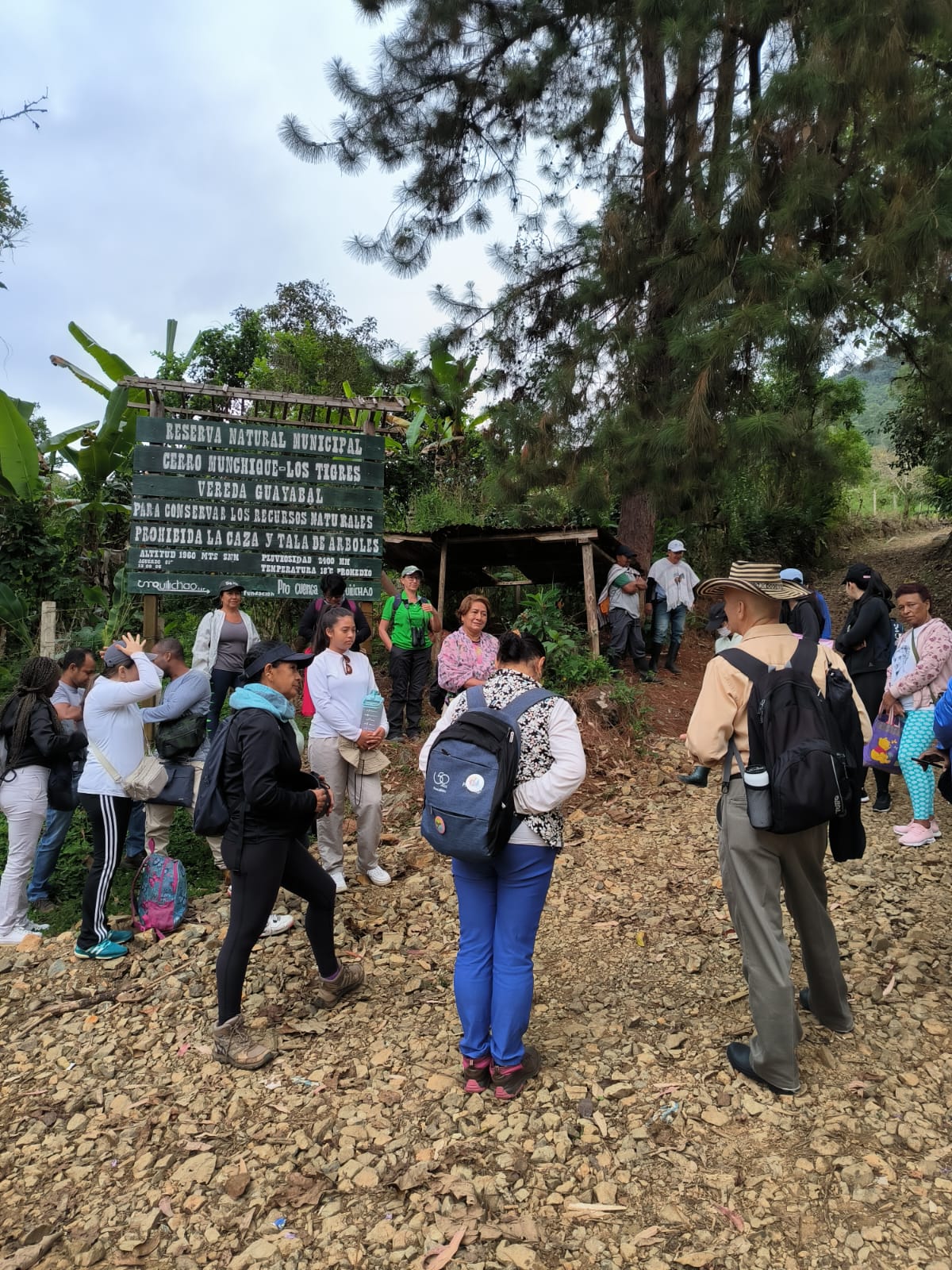
Field trips such as those to Cerro Munchique (Munchique Hill) and the Vereda Guayabal (Guayabal rural village) combined birdwatching, ecological restoration, and photography as tools for education and conservation. On farms like Bendita Esperanza, coffee plantations became living classrooms for reflecting on biodiversity, sustainability, and responsible tourism.
Ethno-Ornithology: Birds, Myths, and Memories
One of the gems of this process has been strengthening the ethno-ornithological approach, which rescues ancestral knowledge of birds as symbols of identity and memory. Through the international discussion Las Aves Conectan al Mundo desde los Mitos y las Leyendas (Birds Connect the World Through Myths and Legends), the community shared stories of hummingbirds and the pájaro fantasma – ghost bird (Nyctibius griseus) – honoring birds as central figures in local worldviews.

Bird Tourism and Sustainability: The Flight Toward Local Development
As part of its vision for sustainable local development, the Corporación Pajareros de Oro is encouraging families and farmers to preserve their land as bird sanctuaries. By restoring ecosystems, creating interpretive trails, and expanding tourism opportunities, they are building a regenerative economy that positions Quilichao as a leader in community-based bird tourism.
A Model for Other Cities
Today, Santander de Quilichao is recognized as the first Ciudad de las Aves (City of Birds) in Colombia and South America, and the second in Latin America after Cozumel, Mexico. This achievement is made possible by the tireless work of this organization. This honor not only brings pride, but also inspires continued action for awareness, community, and conservation.
In the words of Liset María Abonia Balanta, legal representative of the Corporación Pajareros de Oro:
“Las aves nos conectan con el territorio y nos generan salud mental.” (Birds connect us to the land and bring us mental well-being.)
In Quilichao, birds are not just visitors, they are residents, teachers, and symbols of a future that soars.
Photos courtesy of Corporación Pajareros de Oro.
Web page developed by Daniela Caisaguano, Elisa España, and Maoz Bizan.