
Saving Insects, Saving Birds
You can read this webpage in Portuguese here!
The coastal town of Peruíbe, Brazil, came alive with color, music, and energy during a new edition of the Festival das Aves Costeiras do Litoral Paulista (Coastal Birds Festival of the Paulista Coast). This year’s central message reached beyond birds themselves to include the crucial role of insects in the survival of birds. Insects are vital for birds’ diets, reproduction, and overall health. The festival placed special emphasis on the environmental importance of restingas, a narrow coastal type of vegetation of wide leaves that grows on dunes and provides food and shelter for countless species. This sandy habitat and its native plants are critical nesting and resting spots for birds like the Burrowing Owl (Athene cunicularia), American Oystercatcher (Haematopus palliatus), Collared Plover (Anarhynchus collaris), and Barn Swallow (Hirundo rustica).
This vibrant gathering was made possible thanks to the work of Projeto Aves Limicolas do Litoral Paulista. With years of conservation experience, Projeto Aves Limicolas do Litoral Paulista is dedicated to protecting birds and their habitats while fostering a deeper connection between people and nature. Their work is rooted in collaboration with local communities, researchers, and partner institutions. For its commitment, the festival was supported in part by a mini-grant from the Cornell Lab of Ornithology for initiatives in Latin America and the Caribbean that promote bird conservation and community collaboration.
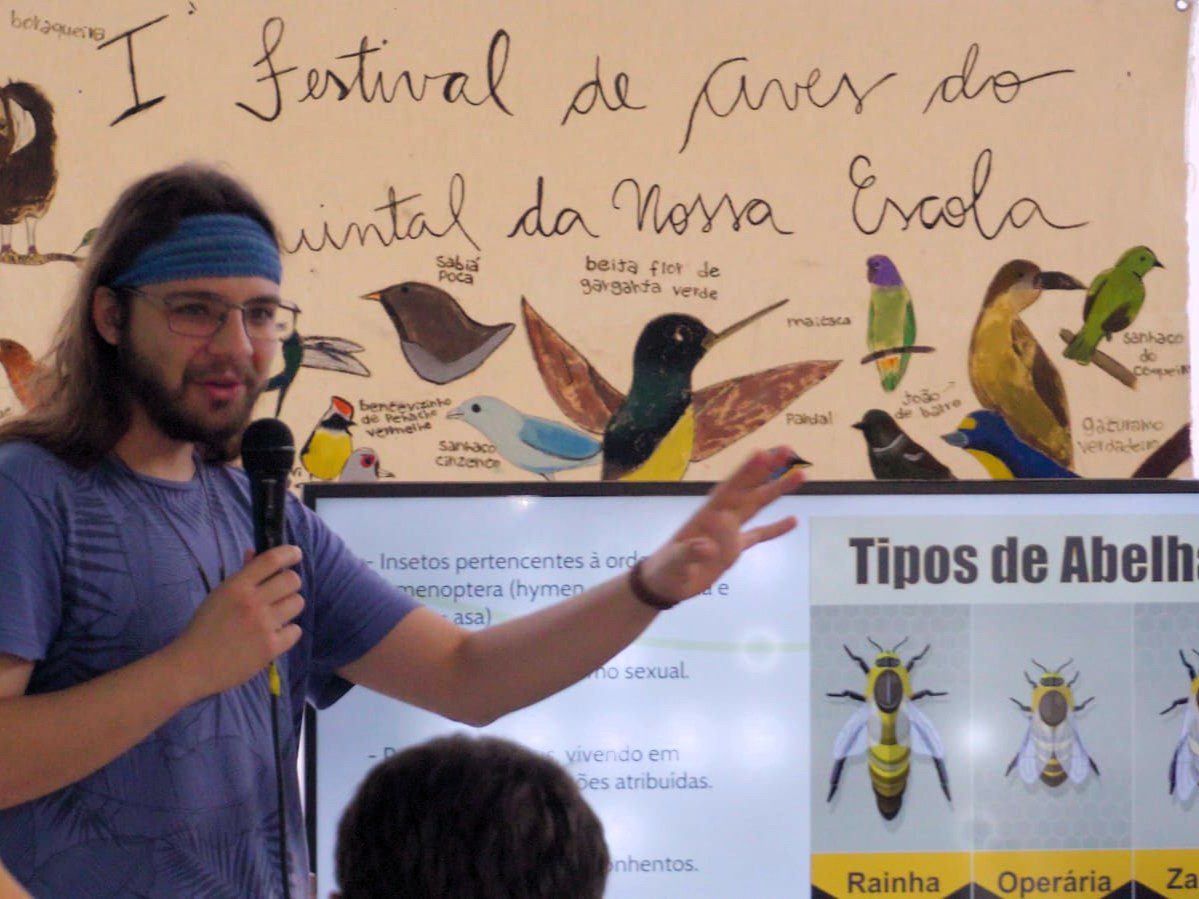

The event took place at Peruíbe’s central plaza, which was transformed into a lively hub where science, art, education, and community came together. Beneath the trees and among laughter, curiosity, and wonder, the space was brought to life by local conservation groups including GREMAR, Manguezal Vivo, Biopesca, Laboratorio de Estudos do Cuaternario, Laje de Santos Marine State Park, the Herbarium of Santa Cecilia University, São Paulo Zoo, Jureia-Itatins Ecological Station, Instituto Ambiecco, MoCAN, the Albert Einstein Astronomical Observatory, the Butantan Institute’s Biological Museum, Projeto Phasma, and several regional birdwatching clubs. Children and youth from Relfe Institute, many of whom face social vulnerability, also enthusiastically participated reminding everyone of nature’s power to educate, inspire, and uplift.


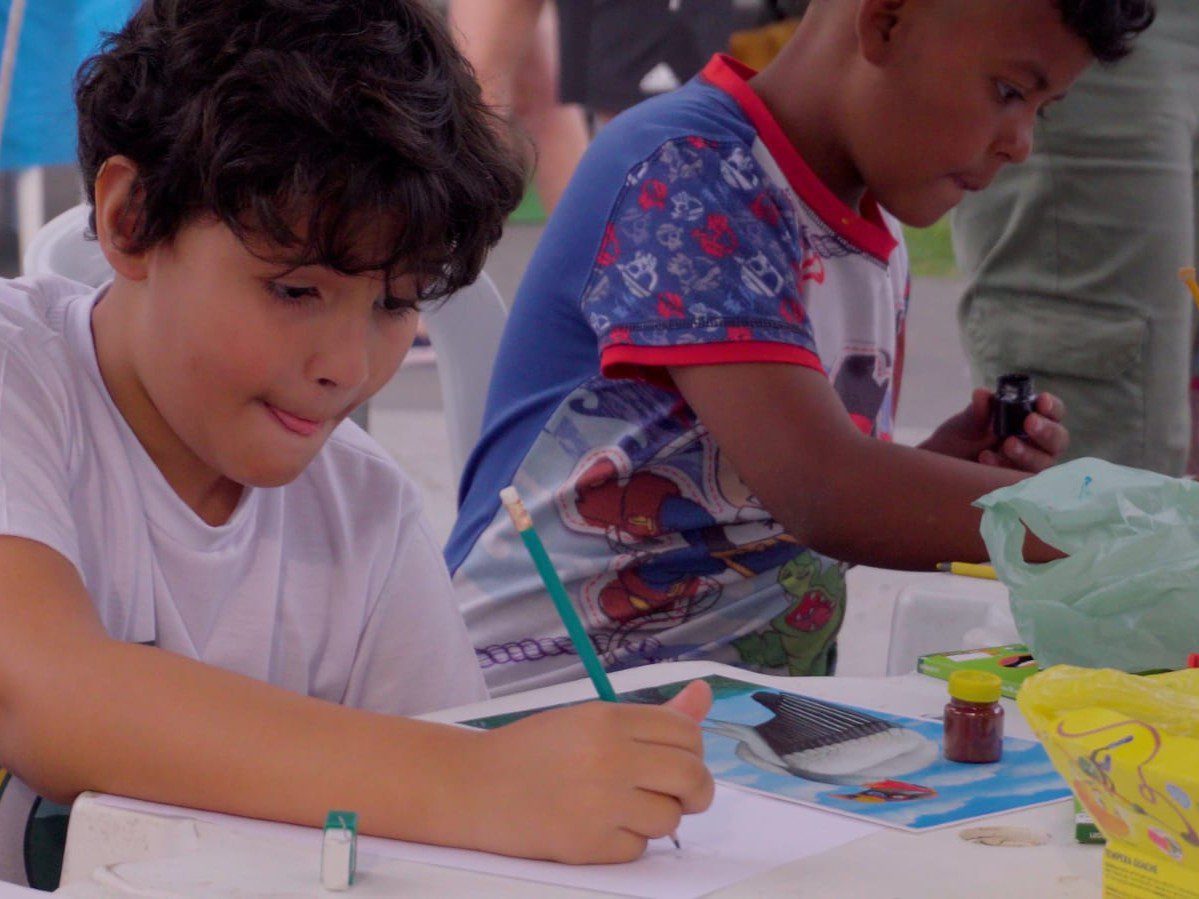
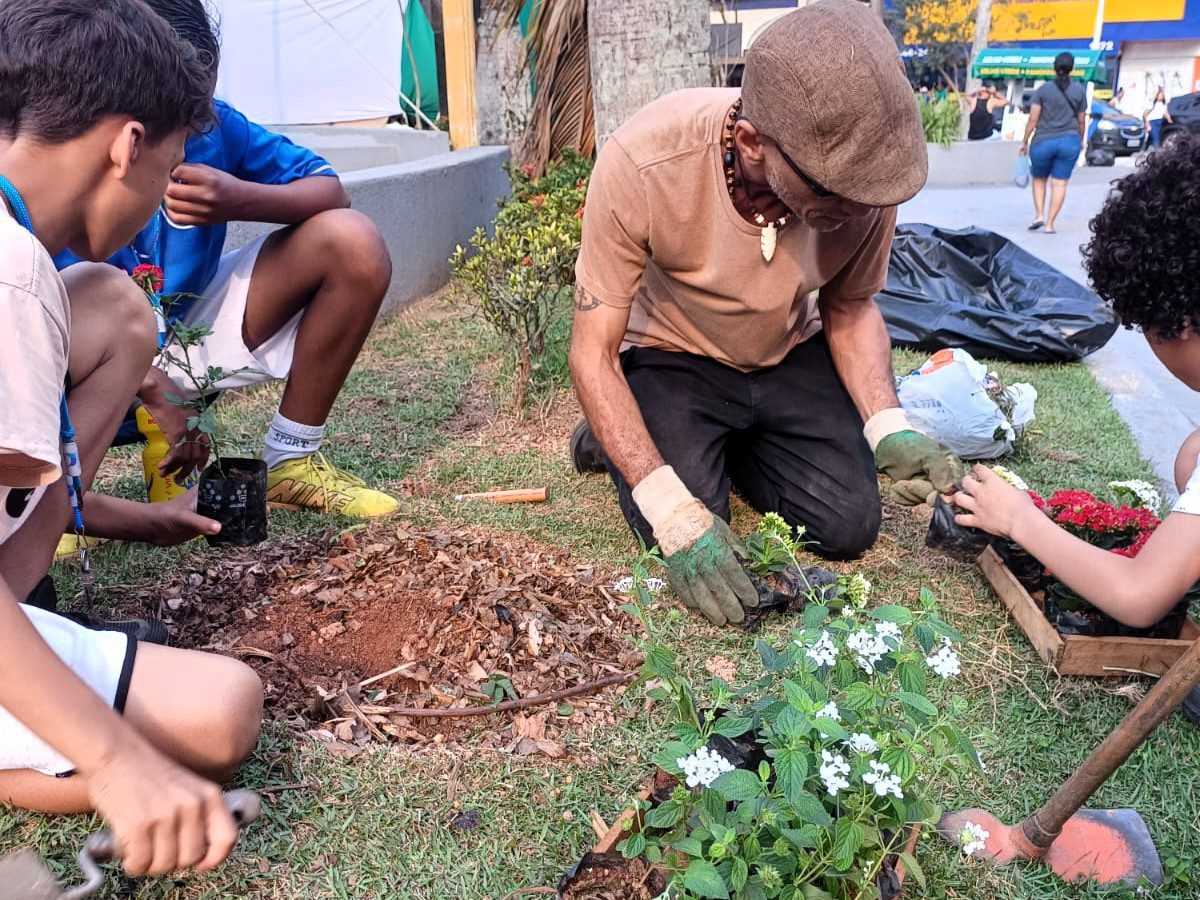
Thanks to the collective effort of all participants, the festival offered a wide range of talks, workshops, and exhibitions for all ages and interests. Topics included the ecological value of coastal dunes, ethics in birdwatching, the role of native bees, solidarity economies, community science, river protection, and the dazzling diversity of butterflies and moths. But this wasn’t just about listening, it was hands-on. Attendees joined workshops to reuse waste, built houses for bees, and helped create a pollinator-friendly garden in the plaza, leaving behind a green legacy that will live on long after the festival. The festival also embraced the arts with drawing workshops that allowed visitors to capture and carry home a piece of the experience.




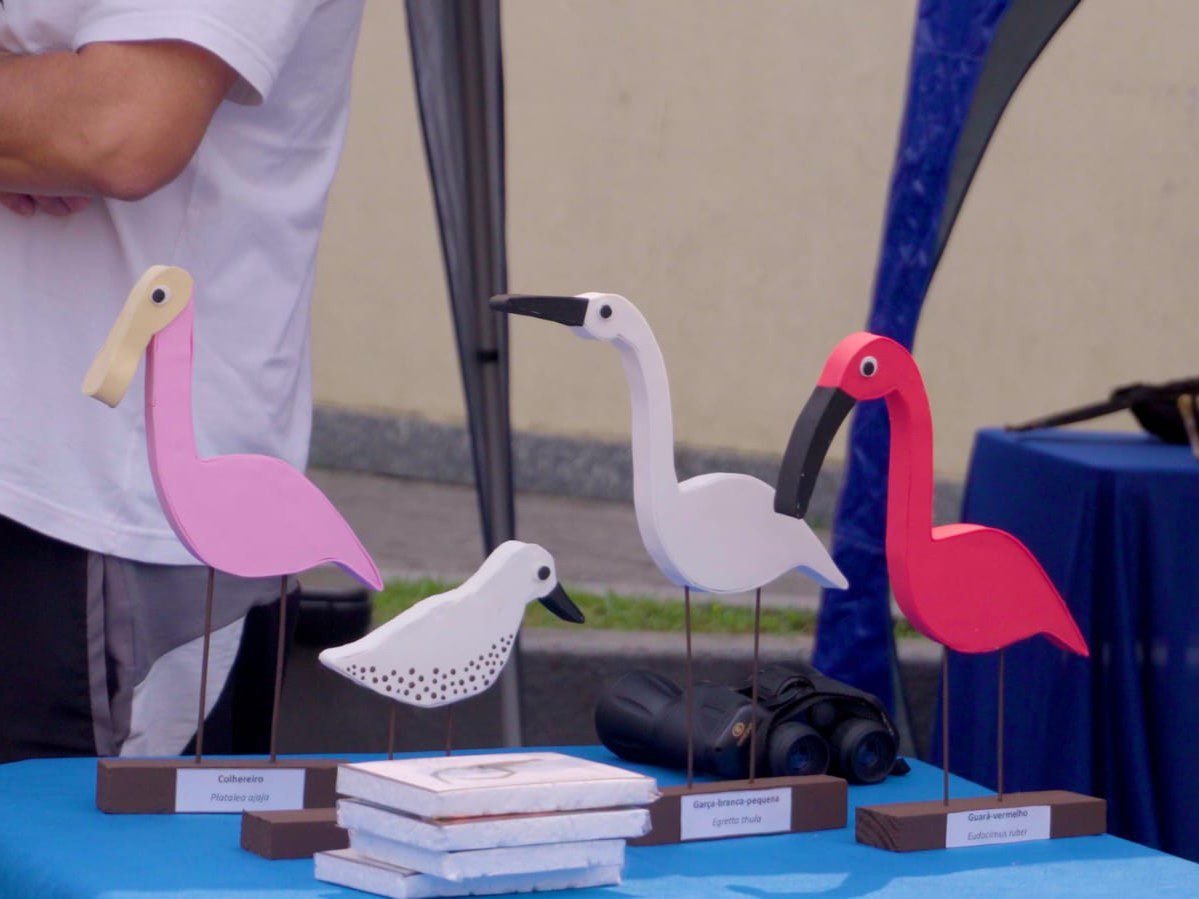
To make the festival even more welcoming and vibrant, cultural expressions were front and center. Music, art, and theater filled the plaza with energy, starting with a capoeira performance by the Quilombola Afro-Brazilian community, followed by moving theatrical pieces highlighting the importance of birds and mangroves. Local musicians and the town’s municipal band added to the atmosphere with sounds deeply rooted in the region’s identity. Local artisans also showcased and sold crafts inspired by the area’s native birds. And traditional cuisine added the perfect flavor to this celebration of culture and nature.


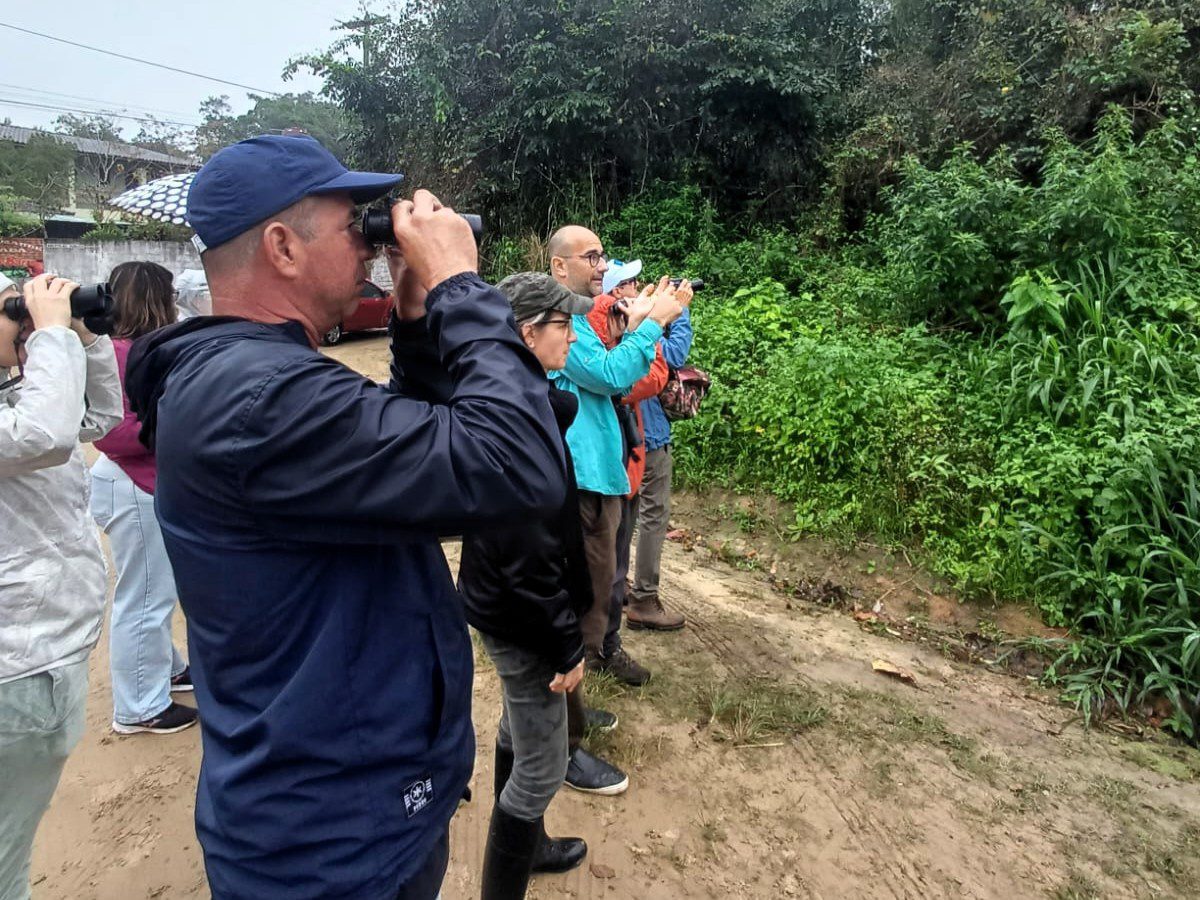
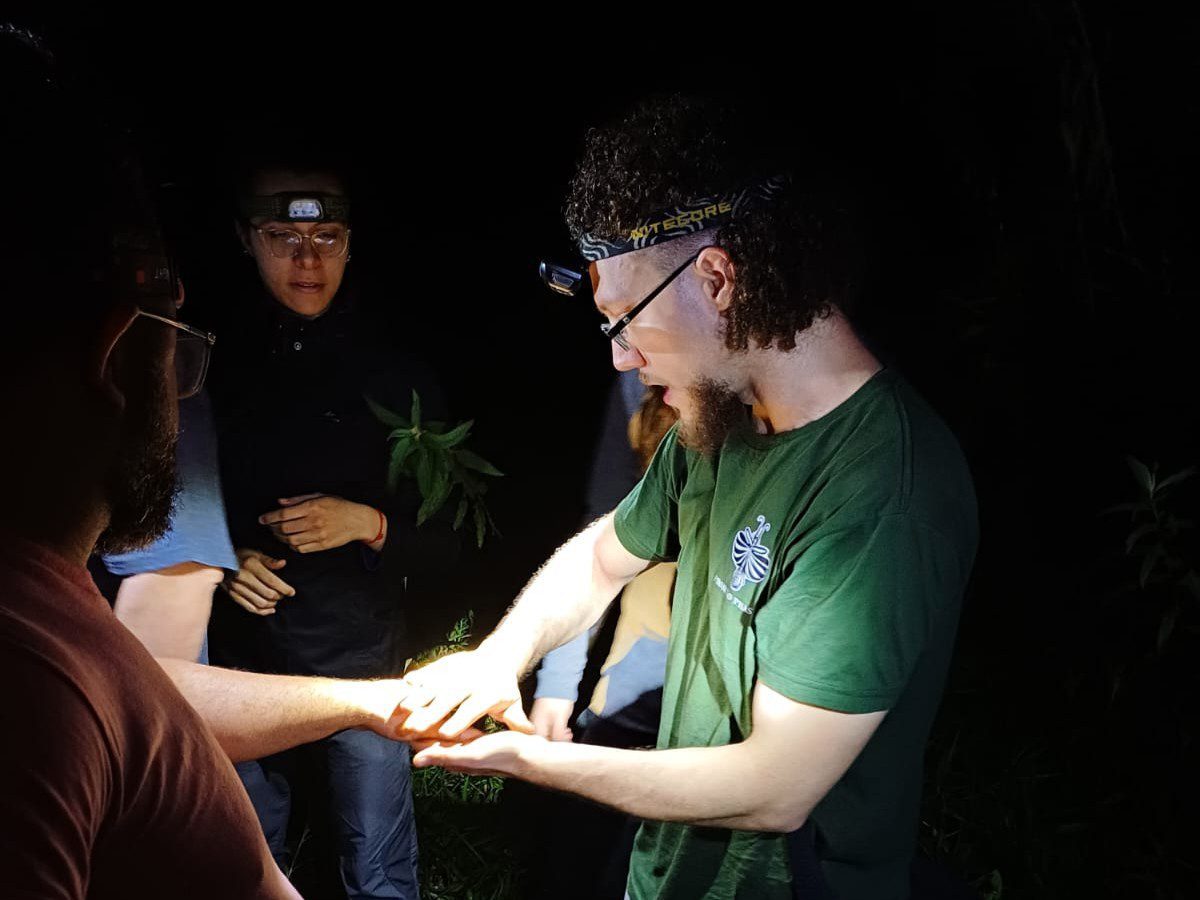
The festival also featured exciting field trips for bird and insect watching, giving participants a direct connection to nature. These outings highlighted the importance of participatory science and tools like eBird, which empower anyone to participate in scientific research and support conservation. Participants explored restinga dunes and nearby forests—two critical habitats for many bird species. And when night fell, the adventure didn’t stop. Evening activities invited the community to stargaze and reflect on how light pollution affects both human and bird health. There was even a special night walk to observe nocturnal insects, led by experts from Projeto Phasma. With the help of iNaturalist and light traps, participants discovered an astonishing hidden world.




The Festival das Aves Costeiras do Litoral Paulista was, without a doubt, a meaningful celebration, an inclusive space where people of all ages could learn, create, share, and reconnect with nature. It was a place where science met art, where education bloomed through colors, sounds, and smiles, and where birds became powerful symbols of unity. More than an event, it was a bridge between people and their surroundings, a heartfelt invitation to observe and act with compassion. A festival that celebrated not only birds, but also the communities who protect them.
Projeto Aves Limicolas do Litoral Paulista thanks SAVE Brasil, Ambiecco Institute, Municipal Commitee for the well-being of Animals and the Department of the Environment in Peruíbe, for making these inspiring and engaging activities possible.
Photos courtesy of Projeto Aves Limicolas do Litoral Paulista
Page developed by Elisa España Cordón