
Feeder Location
Where to Put Your Bird Feeder
Location, location, location...
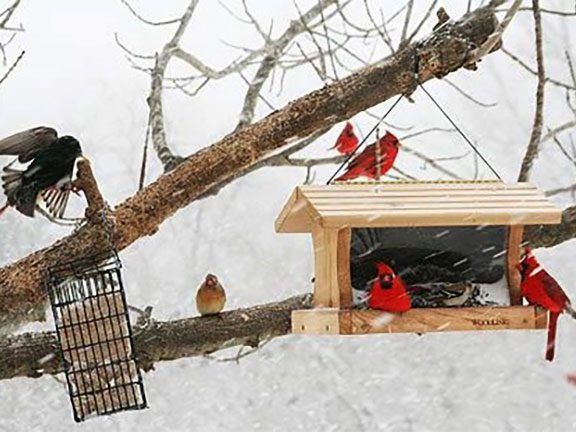
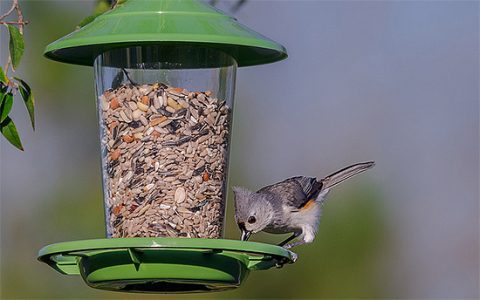
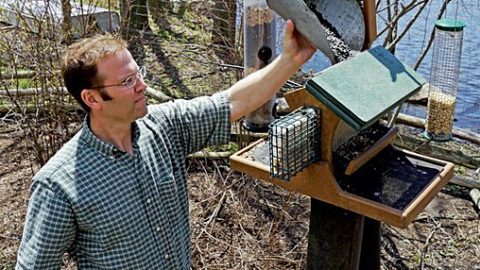
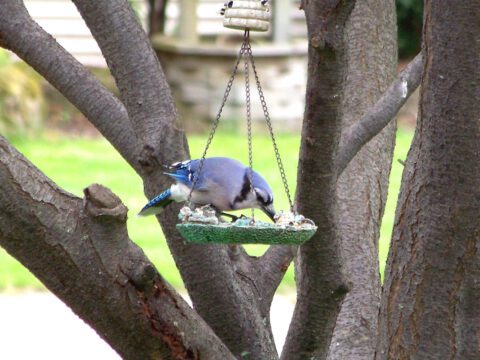
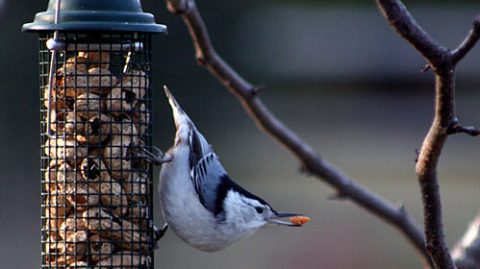
Set up your feeder in a quiet place where it is easy to see and
convenient to refill. The feeder should be close to natural shelter
(cover) such as trees or shrubs, which offer refuge to birds as they
wait their turn to feed. Evergreens are ideal—their thick foliage
buffers winter winds and offers year-round hiding places from predators.
Be careful not to locate your feeder too close to cover, though. Nearby
branches can provide good jumping-off points for seed-hungry squirrels
and bird-hungry cats. A distance of about 10 feet seems to be a good
compromise, but try experimenting. You can provide resting and escape
cover for ground-dwelling birds such as Song Sparrows, by placing
loosely-stacked brush piles near your feeders.
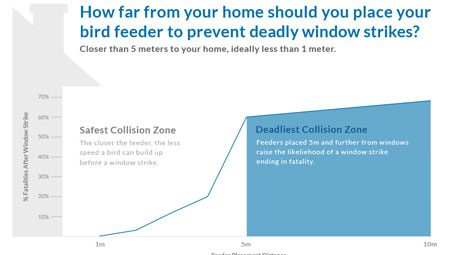
Beware of placing your feeder near windows; birds may collide with
them. Ornithologists estimate that window strikes kill millions of
birds each year. Go to our Attracting Birds: Challenges page to find
out how to prevent window strikes.
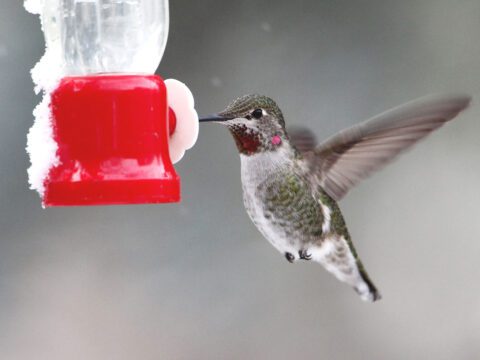
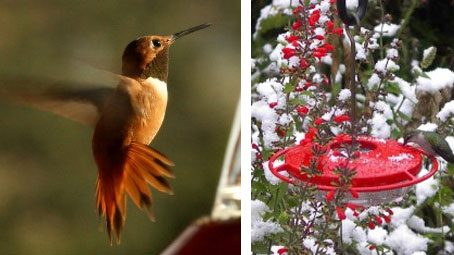
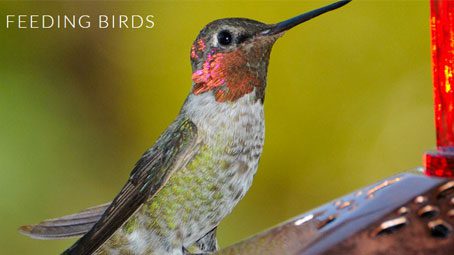
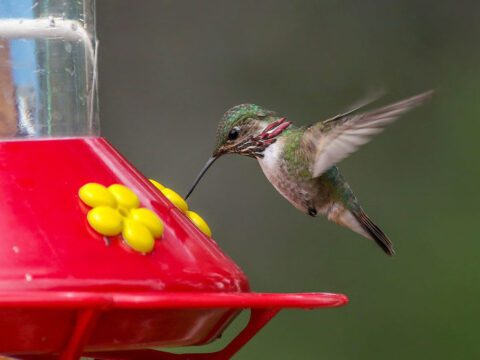
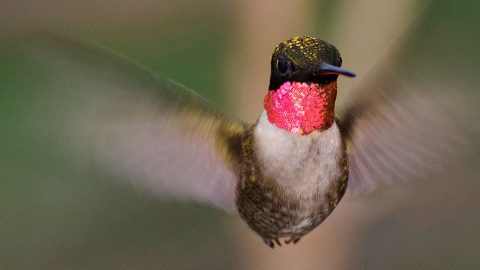
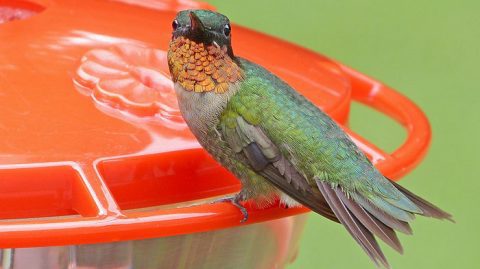
Hummingbird feeders:
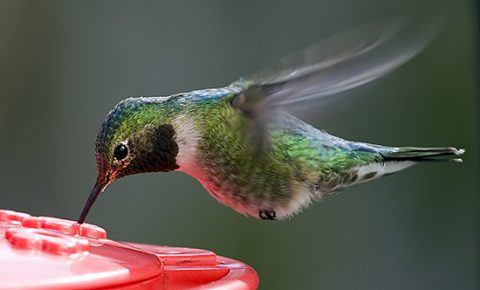
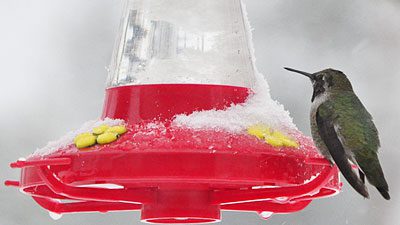
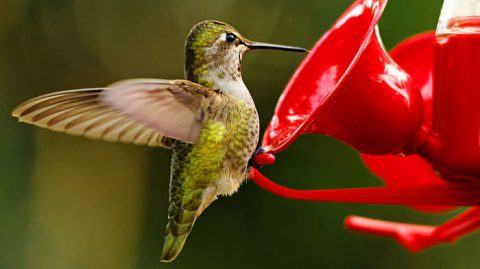
If you're putting out a hummingbird feeder, make sure it's protected
from the wind; a swaying feeder may spill sugar solution. Also, try
putting the feeder in the shade because sugar solution spoils quickly
in the sun.
To attract hummingbirds, tie red ribbons around the feeder so they flutter in the breeze.
No birds?
At first you may have no feeder visitors. Be patient—the local birds
first have to discover there's free lunch in the neighborhood! As with
any new restaurant, you may need to do a little advertising to get some
clients—if no birds visit your seed feeder within a few days of setting
it up, try sprinkling seeds on the ground nearby to make the feeder
more obvious. If birds congregate nearby but just don't come to your
feeder, place a feed pile between the favored area and the feeder. As
the birds start to use the feed pile, move it closer and closer to your
feeder.
If the seed in the feeder is blowing out or getting wet, your birds are
probably getting the same treatment. Try moving the feeder to a calmer,
more sheltered spot.
If birds still don't come, visit our Landscaping section for other
strategies. You could also find someone in your area who has a
successful feeder and ask them for advice. If that doesn't help, locate
a member of a local bird club or Audubon chapter and ask if they have
recommendations for you. Perhaps they'd be willing to do a site visit
and give you some specific pointers.