
Feeder Pests and Predators: Birds
Undesirable Birds
Some
people welcome any bird regardless of its size or appetite. But others
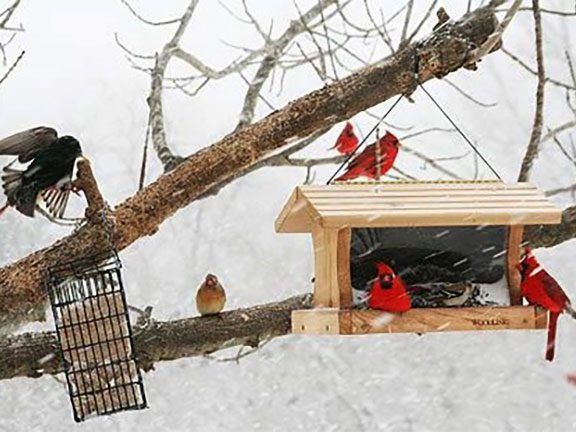
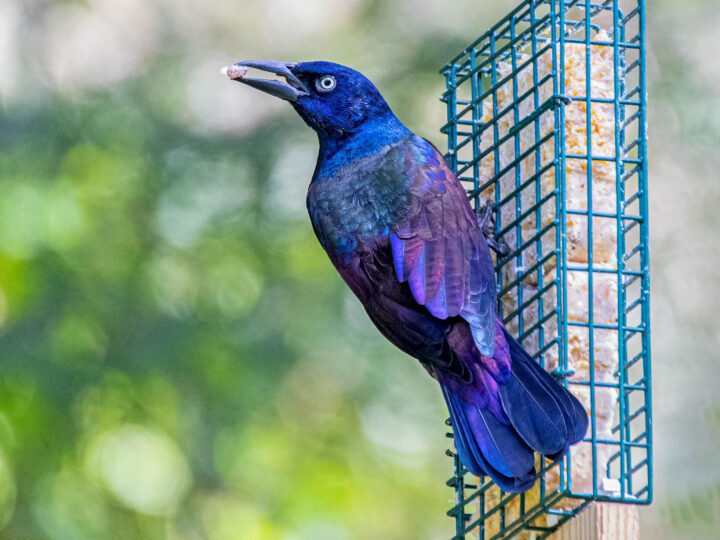
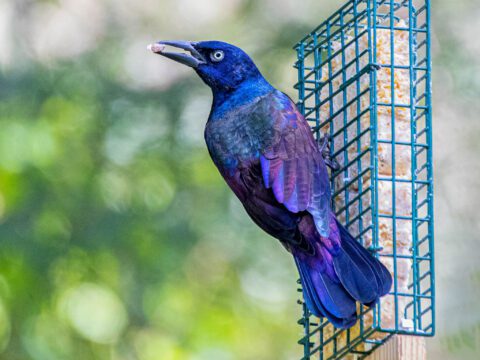
get frustrated when ravenous flocks of grackles, crows, pigeons, or
starlings overrun their feeders, leading to scenes resembling a
Hitchcock thriller outside their windows!
To discourage these larger, nuisance birds, manufacturers have come up
with various creative feeder designs. Try incorporating their
principles into your homemade feeders if you wish.
Use
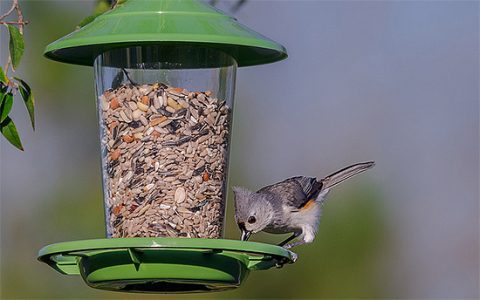
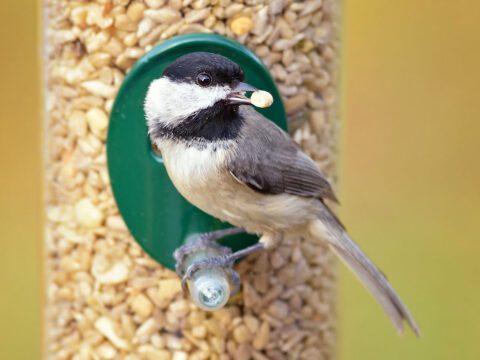
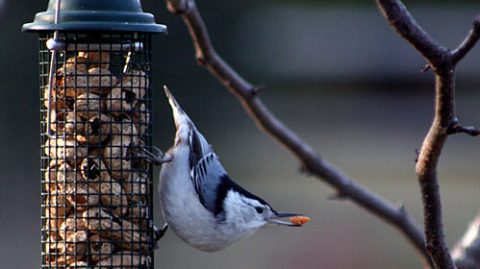
feeders that are made for smaller birds, such as tube feeders with
short perches but no catch basins on which large birds may perch. Try
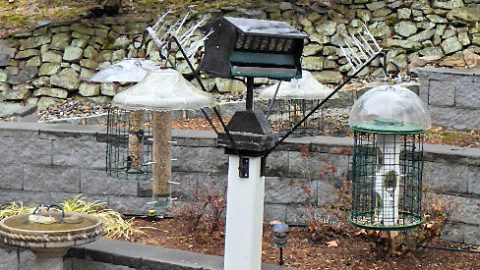
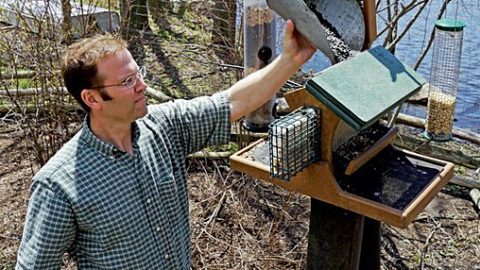
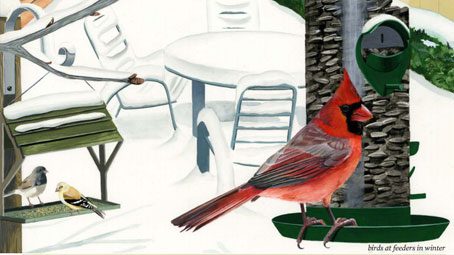
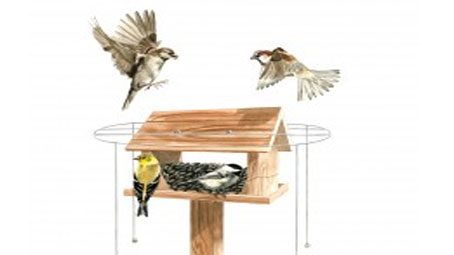
tube feeders that have wire cages around the tubes, such as the one
shown here at left. Finches and small birds can get through to the
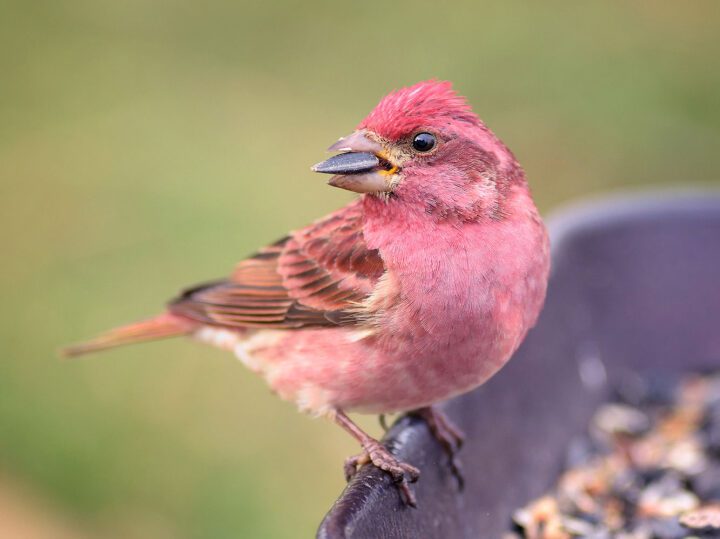
feeding ports but large birds are excluded. If House Finches take over
your thistle feeder, try one with ports below, rather than above, the
perches—only birds that can feed upside down, such as goldfinches, will
be able to eat there.
If starlings are gobbling down your suet, offer it in a container open
only at the bottom, requiring birds to feed hanging upside down.
Woodpeckers, chickadees, and nuthatches do this naturally, but
starlings cannot.
Avoid platform trays and don't spread food on the ground, where the
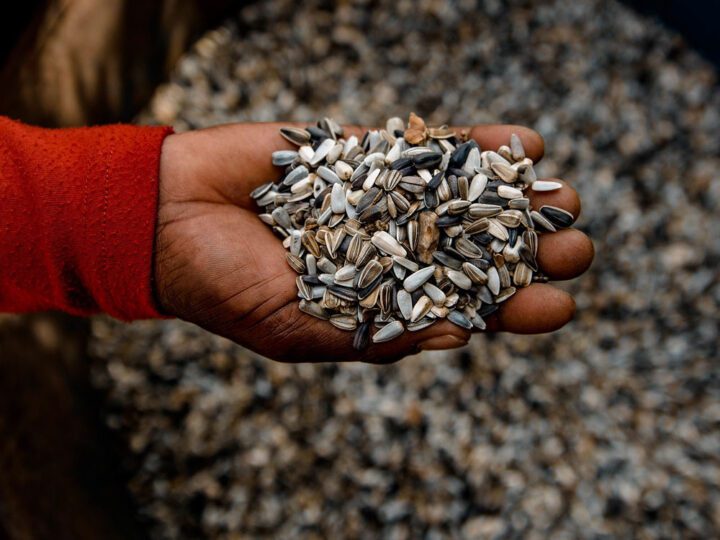
larger aggressive species can access it. Don't offer seed mixes with
corn, millet, or milo, which grackles and pigeons enjoy.
Certain types of squirrel-proof feeders also can keep out large
birds—those that use a spring-loaded or counter-weighted gate that
closes off access to the seed ports under the squirrel's weight. This
weight adjustment can be altered to selectively exclude larger,
undesirable birds.
Predatory Birds
If you feed wild birds, at some point you can expect visit from a hawk, usually a Sharp-shinned Hawk (at right) or a Cooper's Hawk. At first you'll probably welcome the close-up view. But what if your hawk stays around and scares your feeder birds away, or—even worse—eats them? The best solution is to take your feeders down for a few days. The hawk will get hungry and move on in search of alternate prey.
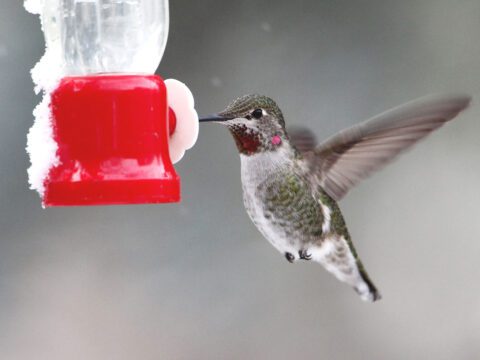
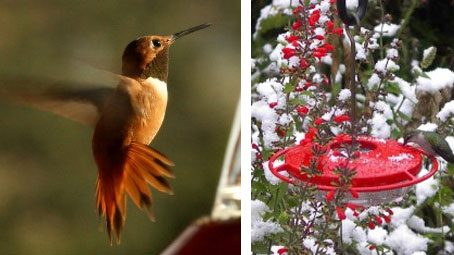
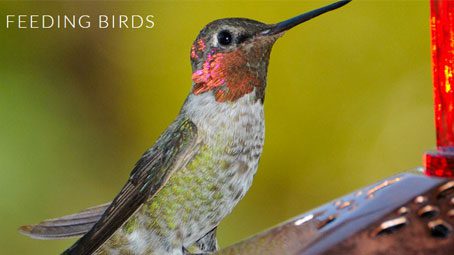
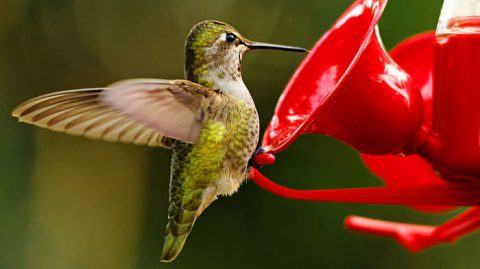
Hummingbirds with Bad Manners
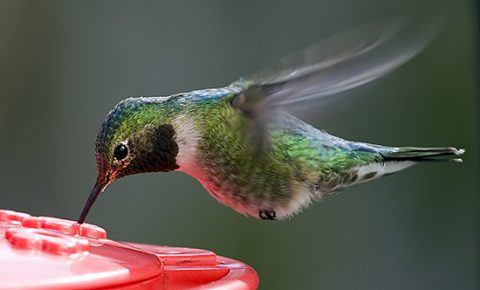
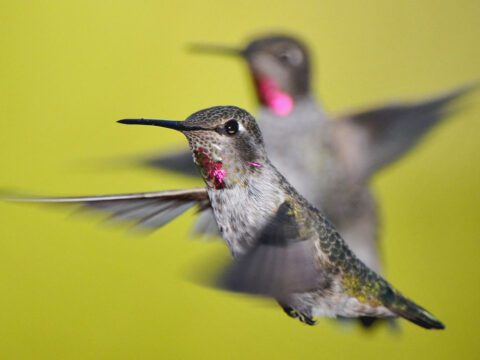
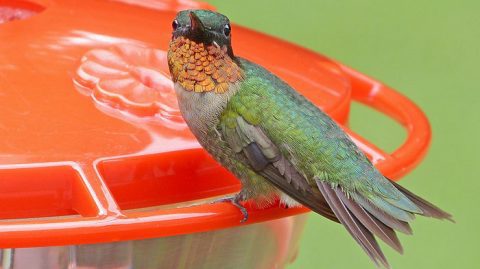
Hummingbirds are quite territorial and can be aggressive toward each
other near food supplies. You may hang out a multiple-perch feeder
expecting to attract many hummingbirds, but then a single male
dominates it, defending his food supply with such vengeance that the
others cannot feed.
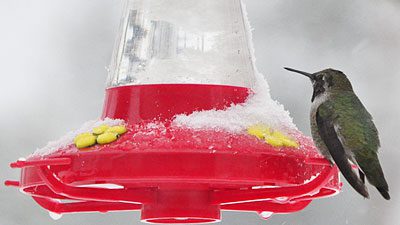
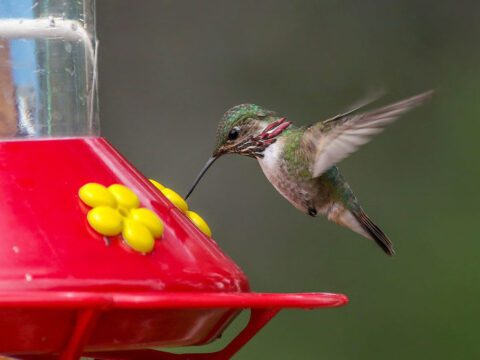
If this happens, try a feeder that has large plastic flowers disguising
each feeding port. These may block the dominant hummingbird's view when
he comes to feed. Another solution is to place several feeders in
different parts of your yard, or separated by vegetation or other
barriers, so that the domineering bird can only see one or two at a
time.