

Providing Nest Material for Birds: Dos & Don’ts
April 20, 2009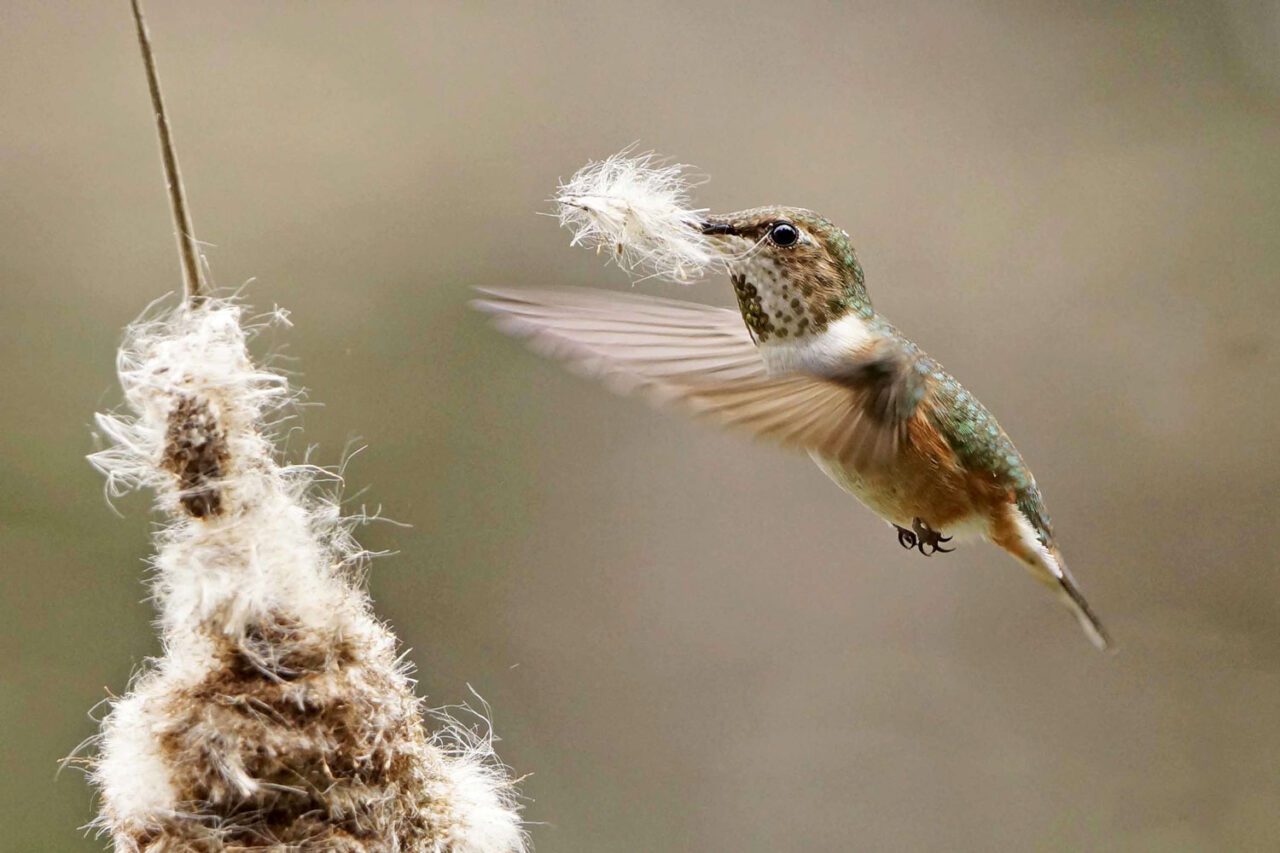
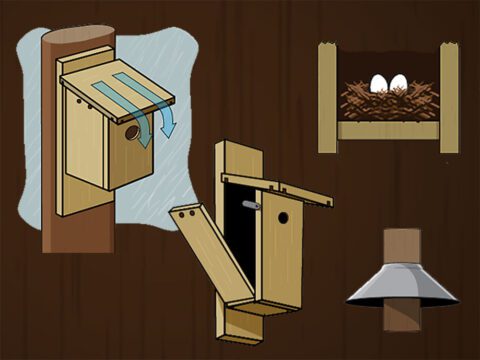
Most birds build some kind of structure to contain their eggs and nestlings. A bird’s nest may be as simple as a nighthawk’s or Killdeer’s depression on the ground, a hole in a tree excavated by a woodpecker, or an elaborate pouchlike nest woven by an oriole. The most familiar nest type is a cup made of vegetation and sometimes mud. Often, the outer layers are of coarse material, and the inside is lined with softer or finer material. Depending on the species, cup-nesters may hide their nests in trees or shrubs, build them on the ground, or place them in nest boxes or tree cavities.
If your yard has safe nest sites and adequate construction material, it will be more attractive to birds, including those that don’t visit feeders.
Fallen leaves and twigs left unraked make excellent nest materials for many birds. Providing nooks in your backyard where this untidy debris can collect provides a variety of material for the birds to check out when they are building nests. They may even pick through your compost pile looking for suitable nest material.
Related Stories
You can also put out concentrated stashes of nest material.
Do provide any combination of the following:
-
- Dead twigs
- Dead leaves
- Dry grass (make sure the grass hadn’t been treated with pesticides)
-
- Feathers
- Plant fluff or down (e.g. cattail fluff, cottonwood down)
- Moss
- Bark strips
- Pine needles
Don’t provide:
- plastic strips
- tinsel
- cellophane
- aluminum foil
- dryer lint
Among the materials birds occasionally use in their nests are snakeskin (especially favored by Great Crested Flycatchers), and spider silk (especially used by small birds, including hummingbirds). The latter holds the other nesting materials together while making a tiny nest stretchy enough to accommodate growing nestlings. Providing a safe environment for spiders will enhance nesting opportunities for these birds. Barn and Cliff Swallows, phoebes, and robins use mud to construct their nests. You might consider creating or keeping a muddy puddle in your garden for them.. Birds may also use plastic strips, cellophane, and aluminum foil, but we don’t recommend that you offer these materials. Also, don’t offer dryer lint. It may seem nice and fluffy, but becomes crumbly after it’s rained on and dries.
Do provide nesting material in any of the following ways:
- in piles on the ground (works well for leaves and twigs)
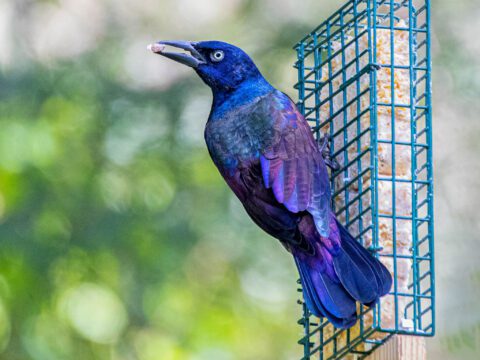
- in clean wire-mesh suet cages, or in mesh bags hung on tree trunks, fence posts, or railings
- pushed into tree crevices
- draped over vegetation
- in open-topped berry baskets
- spiral wire hangers made especially for putting out nest material (one type looks like an oversized honey-dipper)

All About Birds
is a free resource
Available for everyone,
funded by donors like you
American Kestrel by Blair Dudeck / Macaulay Library