
Try This
Get Started
Try This Articles/Videos
-
 2023 Annual Report
 -
Annual Report 2022
-
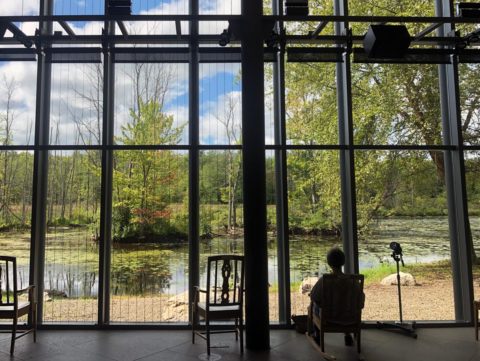
Advances in Window Safety Come to the Cornell Lab and Cornell Campus
-
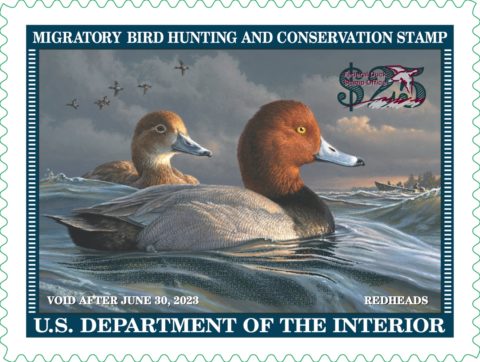
Eight Great Reasons to Love the Migratory Bird Stamp
-
How to Get Involved: Find a Cornell Lab Project That's Right For You
-
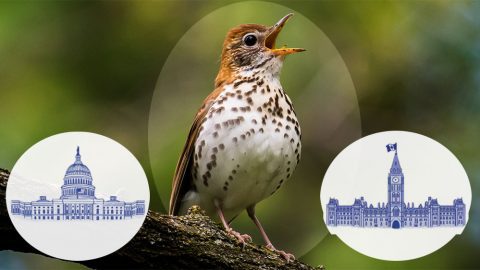
How to Fix the Bird Declines: A To-Do List for Government, Business, and Individuals
-
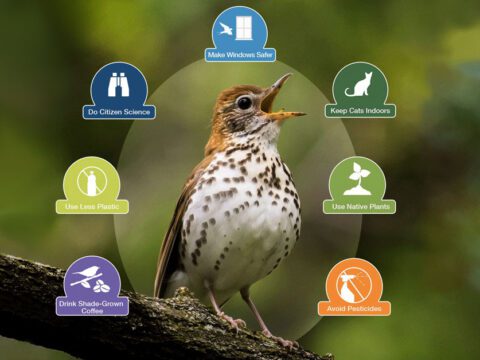
Seven Simple Actions to Help Birds
-
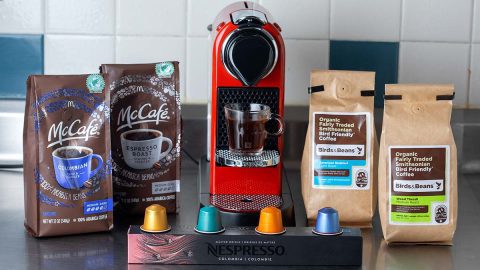
Living Bird Magazine 7 Bird-Friendly Foods to Put in Your Pantry
-
Thank You for Being Part of Year of the Bird in 2018
-
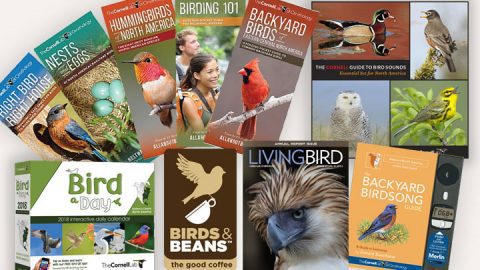
Great Gifts That Do Good: A Bird Lover's Guide
-
How to Create Your Own Facebook Fundraiser to Help the Cornell Lab
-
A Yard Full of Native Plants Is a Yard Full of Well-Fed Birds
-
eBird Make eBird a 2018 New Year’s Resolution
-
6 Resolutions to Help You #BirdYourWorld in 2018
-
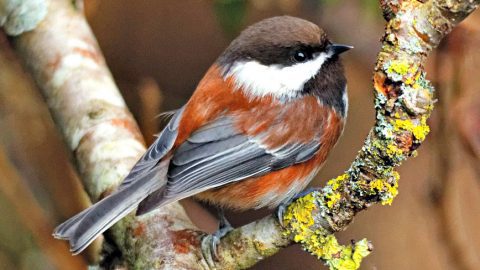
Project FeederWatch Thirsty Chickadee Sparks Interest in Birding
-
Holiday Gifts for Bird Lovers That Support the Cornell Lab
-
Celebrate Urban Birds Help Fund Your Community Event With a Mini-Grant from Celebrate Urban Birds
-
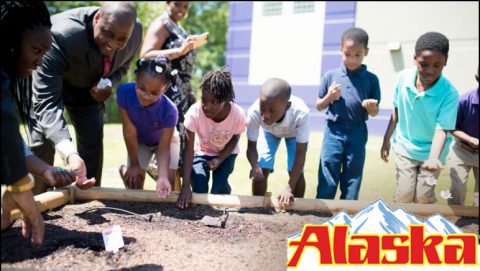
K–12 Education Join the Cornell Lab, Alaska Fertilizer, and Lowe's to Support School Gardens
-
eBird Kirtland’s Warbler Migration Blitz: Help Us Find an Endangered Species on Migration
-
eBird How Do You Count Birds at a Feeder?
-
eBird eBird's 2017 Checklist-a-day Challenge
-
Project FeederWatch Eye Disease in American Goldfinch
-
eBird Teach Computers to Identify Birds With MerlinVision
-
Land Trusts: Bird Conservation Funding Opportunities
-
Land Trust Bird Conservation Initiative: Examples of Action
-
Land Trust Bird Conservation Initiative: Resources Directory
-
Land Trust Bird Conservation Initiative: Birds on Your Land
-
Land Trust Bird Conservation Initiative
-
eBird Upload Your Historic and Longterm Data to eBird to Help Chart Bird Abundance and Distribution
-
Earth Day 2016: Get Inspired by Maya Lin's What is Missing? Website
-
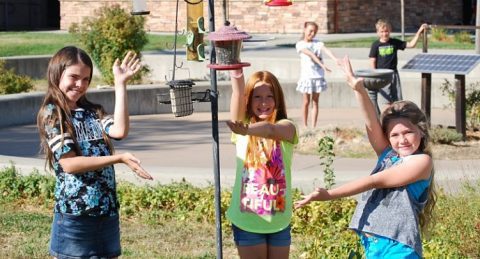
K–12 Education Maintaining your Classroom Bird Feeder
-
7 Things You Can Do to Help Songbirds If You've Just Watched The Messenger
-
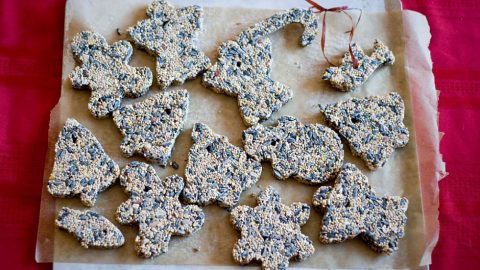
K–12 Education Make Your Own Bird Feeders at Home
-
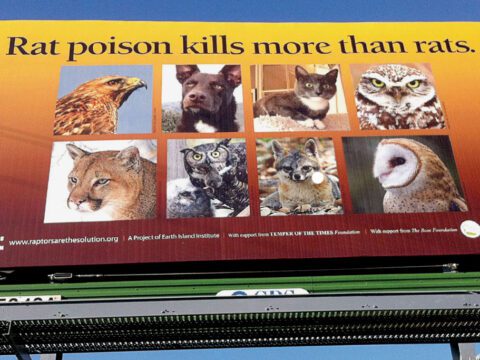
Living Bird Magazine Raptors and Rat Poison
-
eBird Make eBird your New Year’s Resolution!
-
eBird Generate buzz, fun, and data by starting a local Big Year competition in 2015
-
Top 10 2014 Holiday Gifts for Birders and for Birds
-
Help Conserve Bird Habitat by Putting California Rice on Your Plate
-
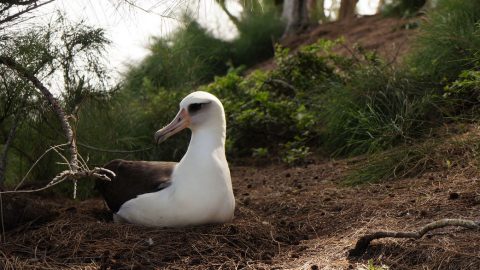
7 Ways You Can Help Albatrosses
-
Celebrate Urban Birds Attract Birds With These Berry-Bearing Plants for Your Container Garden
-
Living Bird Magazine Growing Native Plants Is a Simple Recipe for Helping Warblers
-
Help Scientists Find Out What's Happening to Rusty Blackbirds
-
Conservation Science Learn the Basics of Bird-Friendly and Shade-Grown Coffee [Video]
-
Our 2013 List of Holiday Gift Ideas Will Help You and Help the Birds
-
Project FeederWatch Landscaping for Birds
-
Bird Friendly Coffee Now Available at a Major Retailer
-
Living Bird Magazine Bird-Friendly Coffee Supports Critical Winter Habitat
-
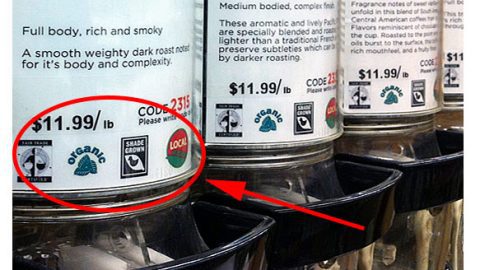
Making Sense of Coffee Labels: Does Your Coffee Support Wintering Warblers?
-
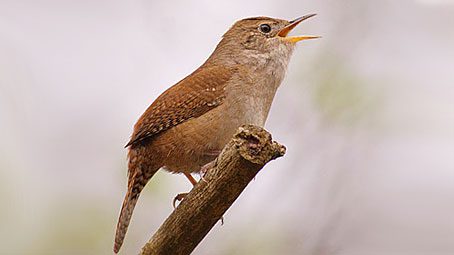
Students House Music: Investigating the Vocal Acrobatics of the House Wren
-
Top Ten Ways to Conserve Energy while Birding
-
Top Ten Ways You Can Help Neotropical Birds

All About Birds
is a free resource
Available for everyone,
funded by donors like you
American Kestrel by Blair Dudeck / Macaulay Library