
Road to Recovery

Road to Recovery (R2R) is an independently funded conservation initiative targeting the most rapidly declining bird species across the United States and Canada. R2R seeks to reverse bird population declines by collaborating with scientists, conservation practitioners, and local communities to create sustainable solutions for recovering bird populations.
Inspired by a 2019 landmark publication in Science documenting the loss over five decades of ~ 3 billion birds over 50 years in North America, R2R was established in 2020.
Scientists for the R2R initiative have identified 112 Tipping Point bird species that have lost more than 50% of their populations within the past 50 years, and need targeted research to identify drivers of declines along with intentional conservation actions aimed at bringing these birds back. R2R identifies three levels of alert—Red, Orange, and Yellow—based on a combination of long-term and short-term population trends, vulnerability scores from the Partners in Flight’s Avian Conservation Assessment Database (ACAD), and expert judgement. This three-tier system provides a priority ranking that helps focus action and resources where the need is highest (Red first, then Orange, then Yellow).
What Can R2R Offer Land Trusts?
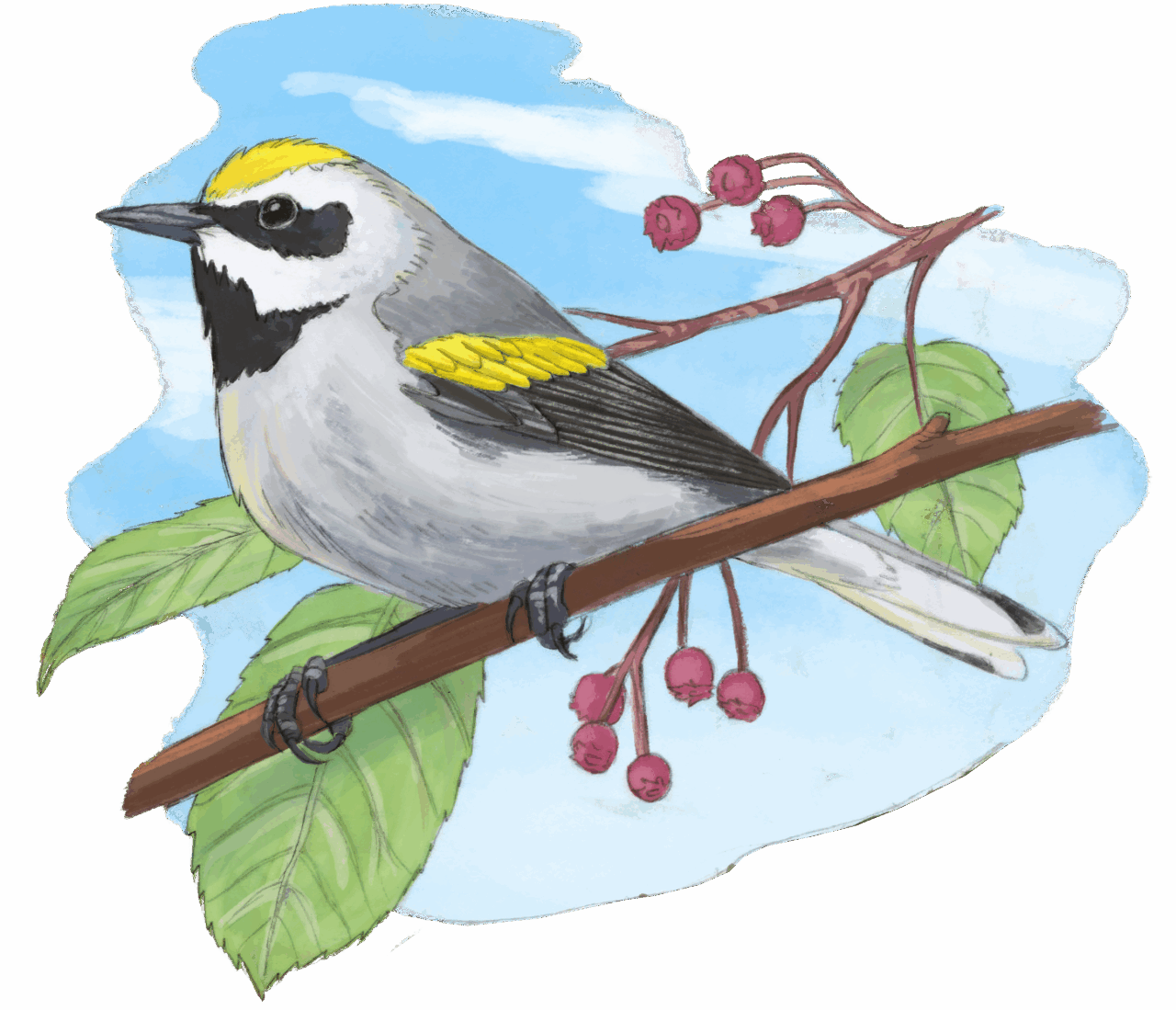
There are many opportunities for land trusts and other conservation organizations to engage with R2R. Here are a few practical ideas:
- Align conservation goals with priority species
- Review the R2R list of Tipping Point species to see if any of those species overlap with the lands you protect or manage at any point during the full annual cycle (breeding, migration, wintering). Strategically direct conservation efforts toward Tipping Point species to focus limited resources where they can have the greatest impact.
- Leverage the full‐cycle habitat and connectivity perspective
- R2R focuses on the full annual cycle of birds—breeding, migration, and wintering—and on pinpointing the limiting factors at each stage. For land trusts, this means looking beyond a single parcel to understand how it contributes to larger habitat networks, migration corridors, and stopover sites. This broader perspective can help strengthen the case for conservation easements or management actions that enhance landscape connectivity.
- Partner with species working groups
- Reach out to R2R working groups for species in your region to explore collaboration on habitat management, monitoring, or other projects on private lands.
- Engage stakeholders through intentional messaging
- Since R2R emphasizes social science/human dimensions, their approach can help build broader support by framing conservation in terms of shared responsibility and ecosystem health. Look to R2R’s messaging for help crafting outreach products that resonate locally. For example, a land trust might share a message along these lines this with its community when fundraising: “By conserving this parcel we’re not only preserving working lands but also helping protect critical habitat for one of North America’s most threatened bird species.”