Southern Plains Land Trust
Why Bird Conservation?
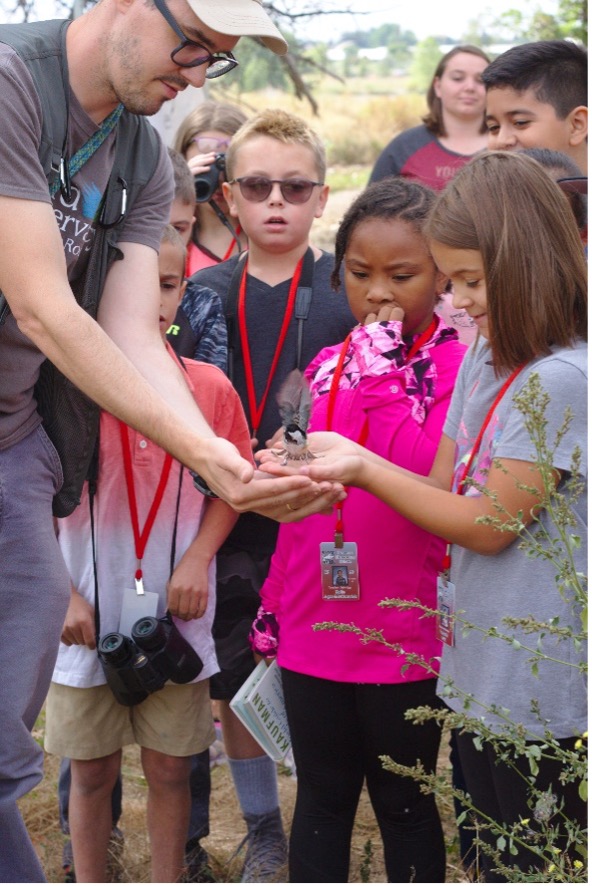
“When kids have a short-term but intense exposure to hands-on experiences with birds, it alters the way they think about nature, and it makes them more nature-centric,” says Henry Pollock, executive director of the Southern Plains Land Trust (SPLT). With a PhD in ecology, evolution, and conservation biology and nearly 15 years’ experience as a wildlife biologist and academic researcher, Pollock’s assertion is grounded in science, including a 2024 study he co-authored titled “A Bird in the Hand: Connecting Children and Wildlife Through Hands-on Experiences with Birds.”
Recognizing the scarcity of environmental education opportunities within SPLT’s service area, Pollock was inspired to create a place where children could connect with nature through birds. Consulting a map of bird-banding stations operated by the Bird Conservancy of the Rockies (BCR), Pollock noticed a clear gap in stations across the grassy plains of southeastern Colorado, where SPLT works. With a 2024 Land Trust Initiative small grant proposal in mind, Pollock reached out to Colin Woolley, a banding manager at BCR, to propose a collaborative banding station at one of SPLT’s preserves.
With his enthusiasm for birds and academic training, Pollock had previously identified another gap in the land trust community: bird monitoring. This aligned well with one of BCR’s key strengths, as the organization operates a range of monitoring and tracking programs across the region. As part of the small grant proposal, Pollock and Woolley also planned a workshop for land trusts at SPLT’s Purgatoire River Preserve. The event would focus on applying science-based tools and techniques in bird monitoring to guide land conservation and management decisions. It would also offer hands-on training in monitoring methods and serve as a pilot for creating a bird-banding station and an environmental education hub at the preserve.
However, an unexpected fire damaged the bird habitat at the Purgatoire River Preserve in spring of 2024, after the partners had been awarded a small grant, causing Pollock and Woolley to rethink their approach and de-emphasize the hands-on components of the workshop. Instead of piloting a bird banding station, they focused on creating a “how-to” guide for land trusts interested in establishing bird monitoring programs, helping workshop attendees create tailored avian conservation plans for their respective organizations.
Spotlight Resources: Collaborative Partnerships, Bird Monitoring, eBird
To prepare for the three-day workshop, Pollock and Woolley developed extensive presentations packed with information about bird conservation and bird monitoring techniques. Pollock says he enjoyed the opportunity to teach again, and the materials developed for the workshop convey his passion for birds. Covering topics from the evolutionary history of birds to methods for monitoring birds to the role of land trusts in conserving birds, the workshop featured information from a variety of trusted sources.
Woolley provided an overview of BCR’s monitoring approaches, including the Integrated Monitoring in Bird Conservation Regions (IMBCR) program, and shared data collected through those efforts. He also explained the process of bird banding and talked about the educational experience bird banding stations provide for people of all ages.
Several resources from the Cornell Lab were featured in the workshop, such as eBird and Merlin Bird ID. Day two of the workshop ended with participants learning how to make an eBird checklist, exploring eBird Status and Trends, and finding their respective land trust’s hotspots on eBird.
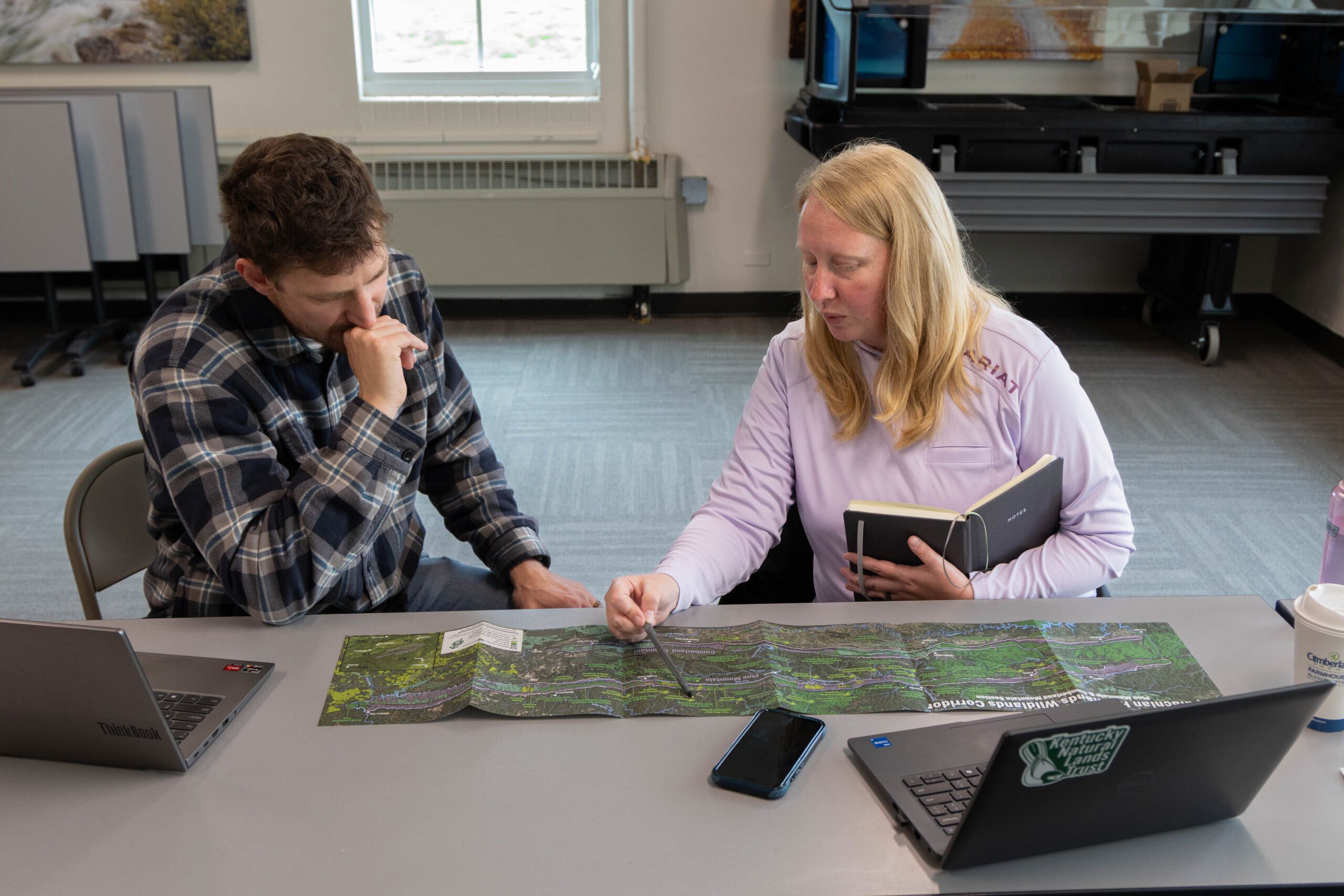
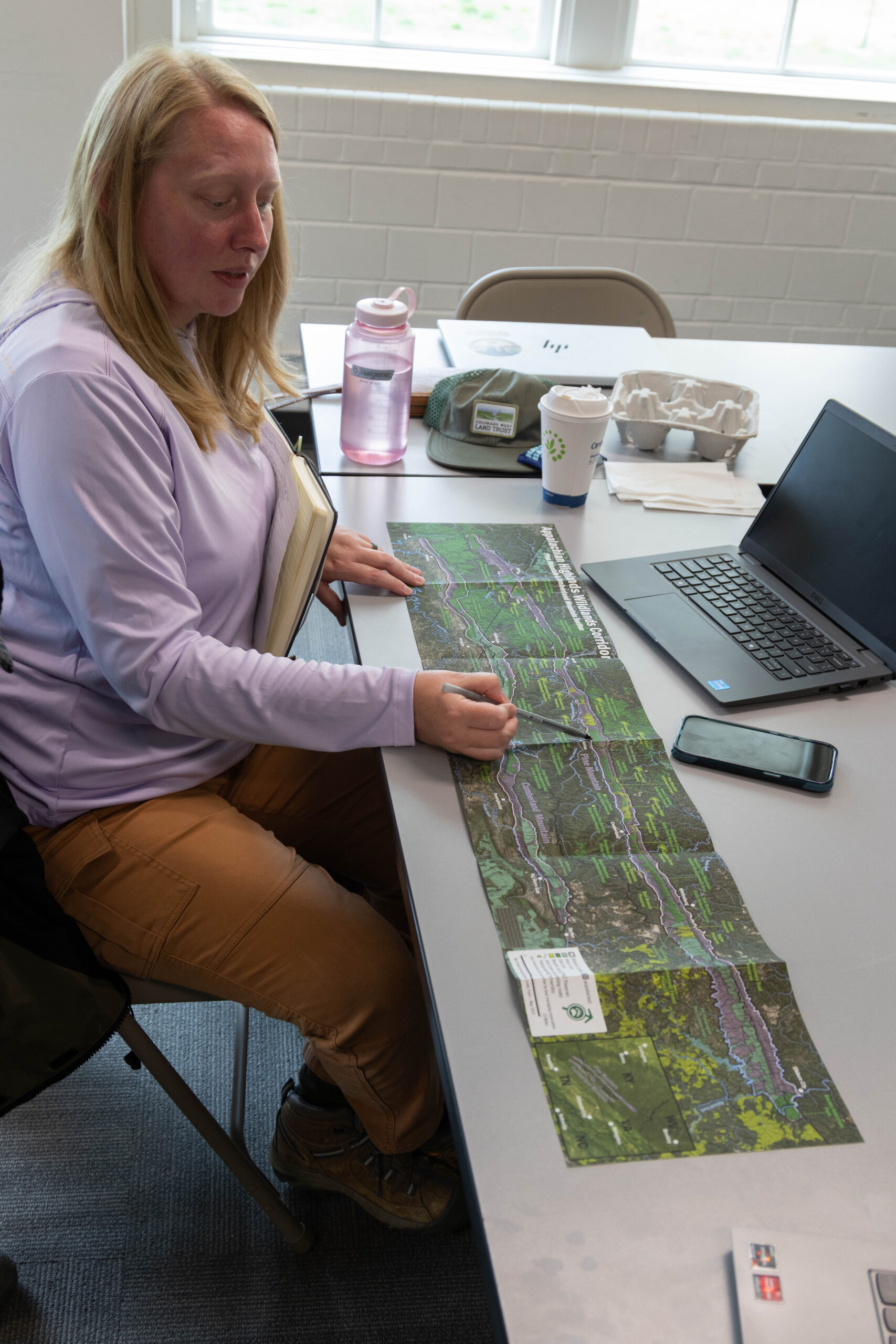
Day three of the workshop was focused on participants developing their own bird monitoring strategies. Participants from Kentucky Natural Lands Trust, Northeast Wilderness Trust, and Colorado West Land Trust followed the “how-to” guide created for the workshop to articulate their questions about bird populations and determine an appropriate method for answering those questions. With prompts about bird communities and potential collaborators, the guide also pointed participants to resources such as regional data collection efforts and participatory science efforts that land trusts may join.
Although the spring wildfire hampered the partners’ plans for setting up mist-netting and demonstrating bird banding during the workshop, Pollock conducted three eBird surveys to assess the suitability of the site for a bird-banding station. Observing a total of 66 species during spring and fall surveys in the riparian habitat of the Purgatoire River Preserve, Pollock is optimistic about plans to open a bird-banding station there in the spring of 2026.
Making the Connection
While SPLT’s mission is not specifically focused on birds, Pollock sees potential for engaging people in science and conservation through birds. He explains that many declining grassland bird species depend on the habitats that SPLT helps protect, and he sees the stories of those species as a microcosm of the broader conservation story of the Great Plains. A bird-banding station will help Pollock share the story of this declining habitat and the species that depend on it with community members.
Pollock is also working toward a comprehensive bird survey of all SPLT’s preserves. So far, all the bird monitoring that has been conducted at SPLT preserves has been broad-scale monitoring that was done by BCR. During the workshop, Pollock used SPLT as a case study, developing a bird monitoring plan for his organization that he’ll use to create a snapshot of the bird community on SPLT preserves and as baseline data to help track future changes.
Part of what made the workshop successful was the complementary strengths that SPLT and BCR partners brought to the project. Woolley contributed expertise in bird monitoring and banding, while Pollock grounded it in social science and land trust perspectives. Together, the partners helped workshop attendees discover how birds can serve as indicators of healthy ecosystems that contribute to human wellbeing and make connections with community members through targeted outreach.
Advice to Other Land Trusts
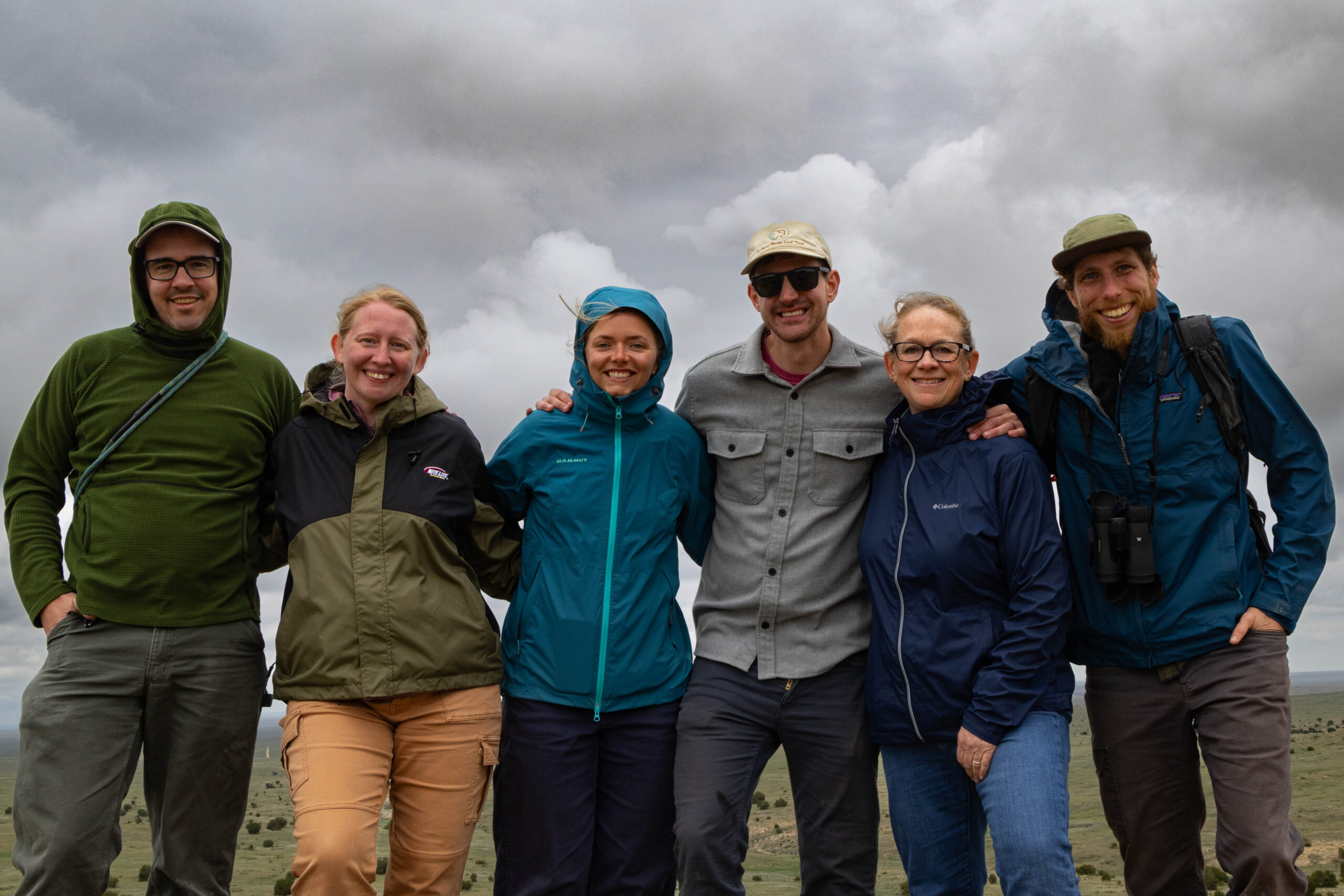
“We all have limited capacity, so it’s essential to tap into partnerships,” says Pollock. With a small staff, SPLT looks for ways to collaborate with others to achieve organizational goals.
For organizations interested in bird monitoring, Pollock points to the handbook created for the monitoring workshop as a source of potential partnerships. From local birding groups to regional efforts such as Migratory Bird Joint Ventures, the handbook offers an extensive list of organizations to consult with and look to for collaborative partnerships.
More generally, Pollock notes that it’s important to remain flexible and adapt to changing circumstances. Being nimble allowed the project partners to pivot and make the best of the situation after a wildfire at the project site derailed their initial plans.
Next Steps

Pollock envisions a future where the bird habitat at the Purgatoire River Preserve has rebounded from the wildfire’s impact. By next year, he hopes to see the bird banding station—built in partnership with BCR—become a living center for research, conservation, and connection. In the spring, he plans to invite the public to a birding festival, opening the door for more people to experience firsthand the beauty and importance of the landscapes SPLT protects.
Guided by the bird monitoring plan he developed during the workshop, Pollock will lead standardized surveys across SPLT’s preserved properties and several targeted microhabitats next year to compile a baseline of the birds that call these lands home. These data will inform future conservation and land management efforts, establish a foundation for monitoring changes in bird populations over time, and offer valuable insights to inspire and involve the local community in protecting birds.