
We are proud to help showcase various successful bird conservation stories from our land trust partners across the U.S.
Through these stories, numerous land trusts share their experiences conserving both lands and birds and how to get started with these efforts.
To learn more about how land trusts can benefit from bird conservation, explore the interactive map of projects across the country, visit our multimedia StoryMap collection, or scroll down to many other stories that demonstrate how organizations have used bird conservation resources successfully in the grid below.

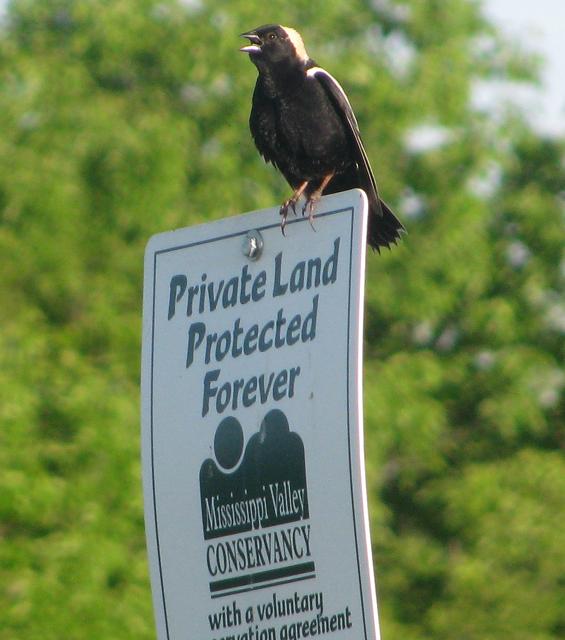
MVC prioritizes the protection of intact functional ecosystems, and saw they couldn’t have healthy ecosystems without birds.
Mendocino Land Trust uses eBird, Merlin, and All About Birds to engage their community in citizen science for bird conservation.
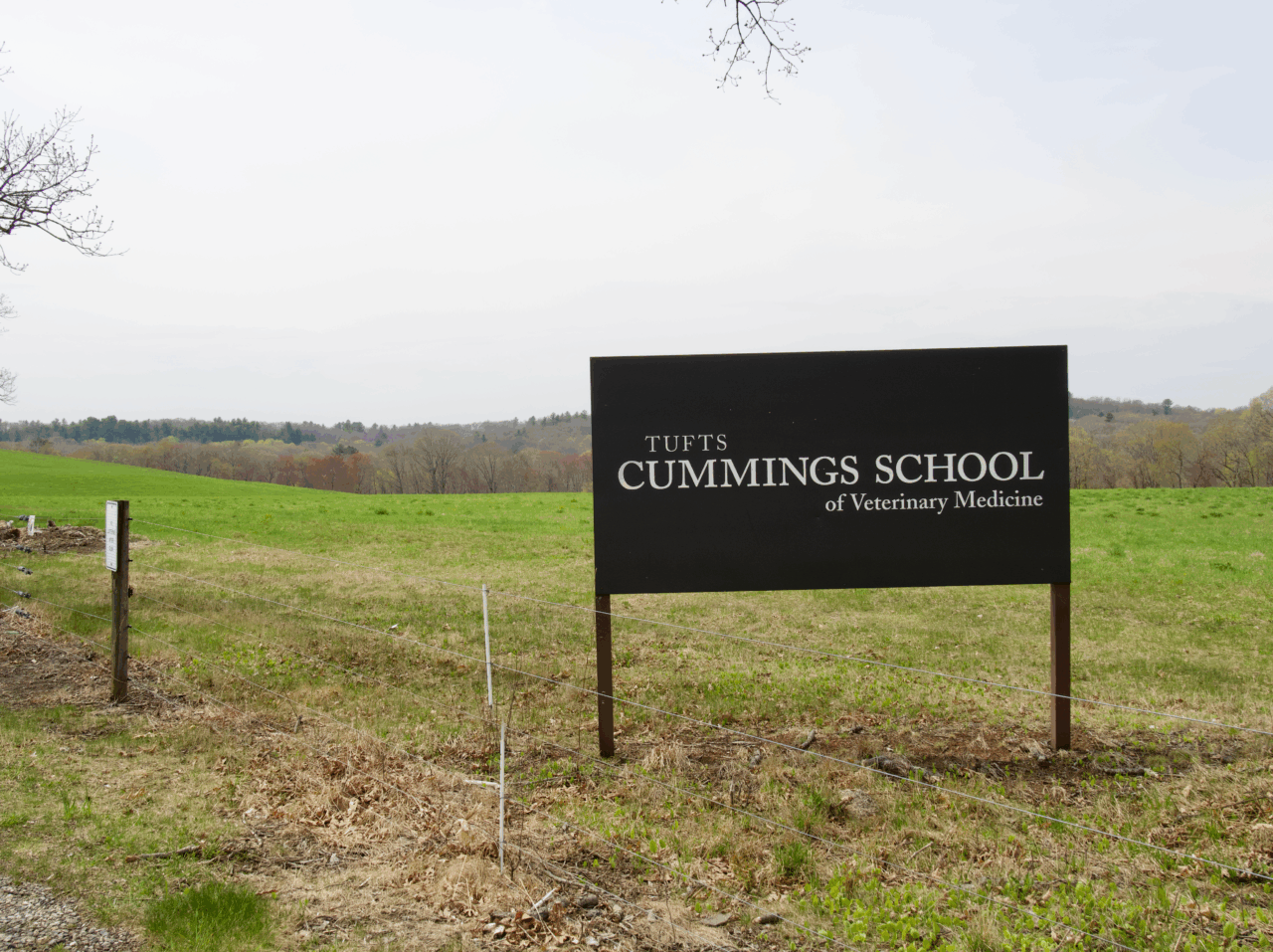
Using eBird data as a foundation, Tufts University students mapped Bobolink sightings and combined them with farm production records to identify optimal fields for bird-friendly management at the Tufts Cummings School Farm.
Funded by a small grant and constructed with the help of volunteers, Land Trust of North Alabama (LTNA) built a bird blind at Chapman Mountain Nature Preserve, an eBird hotspot.
Through a series of small grant projects and partnerships with the Cornell Lab, Kent Land Trust has become more science focused, integrating birds and bird data in everyday activities.
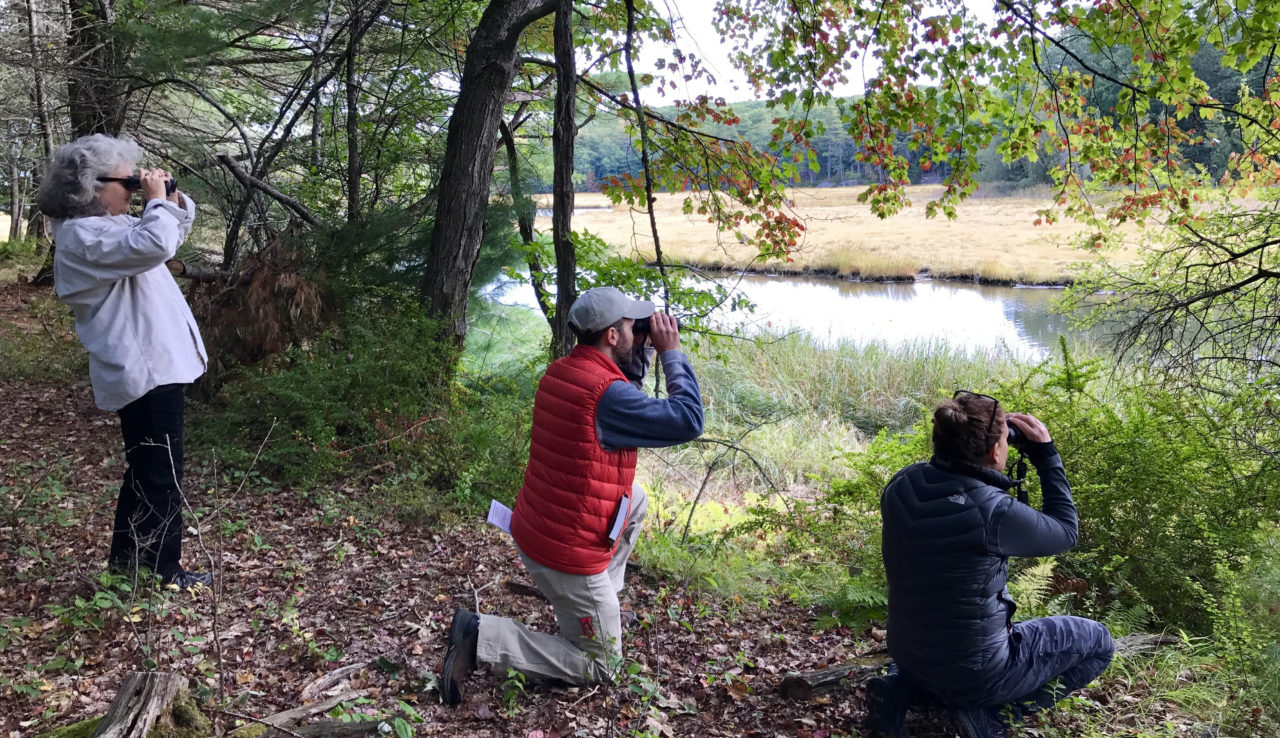
KELT works with volunteer citizen scientists and eBird to establish bird monitoring programs that inform their conservation and management efforts.
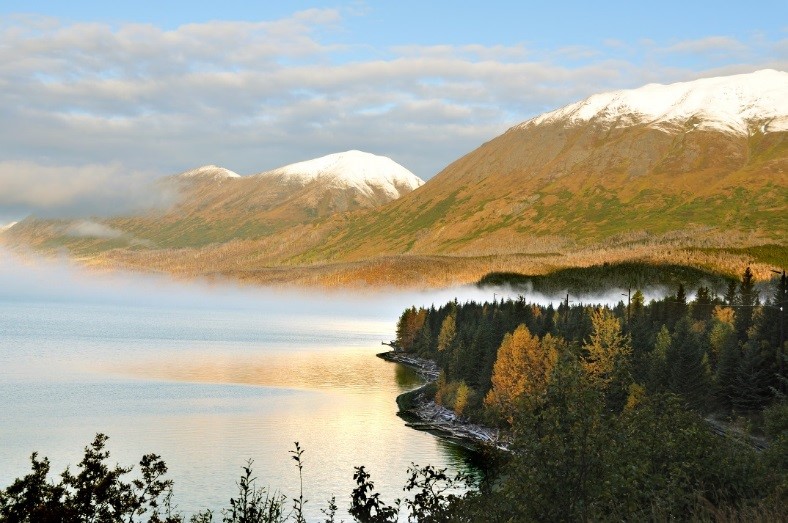
KHLT is working to identify the statewide needs and successes of Alaskan land trusts for conserving priority bird habitats.
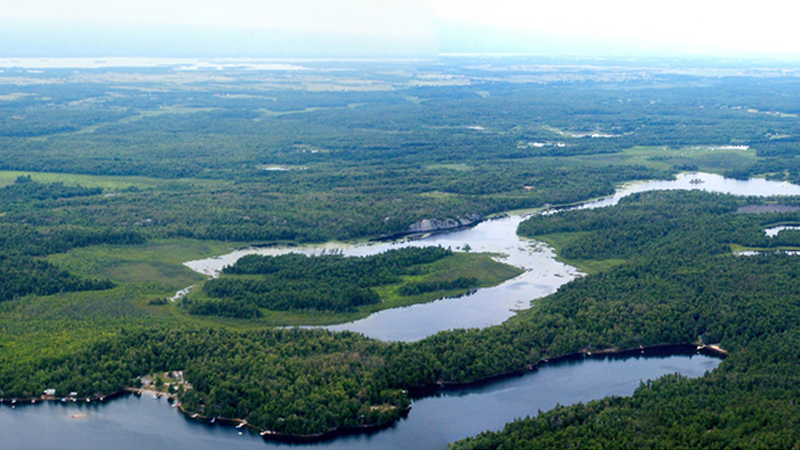
IRLC is located in a unique area rich in bird species and is a critical site for the Golden-winged Warbler.
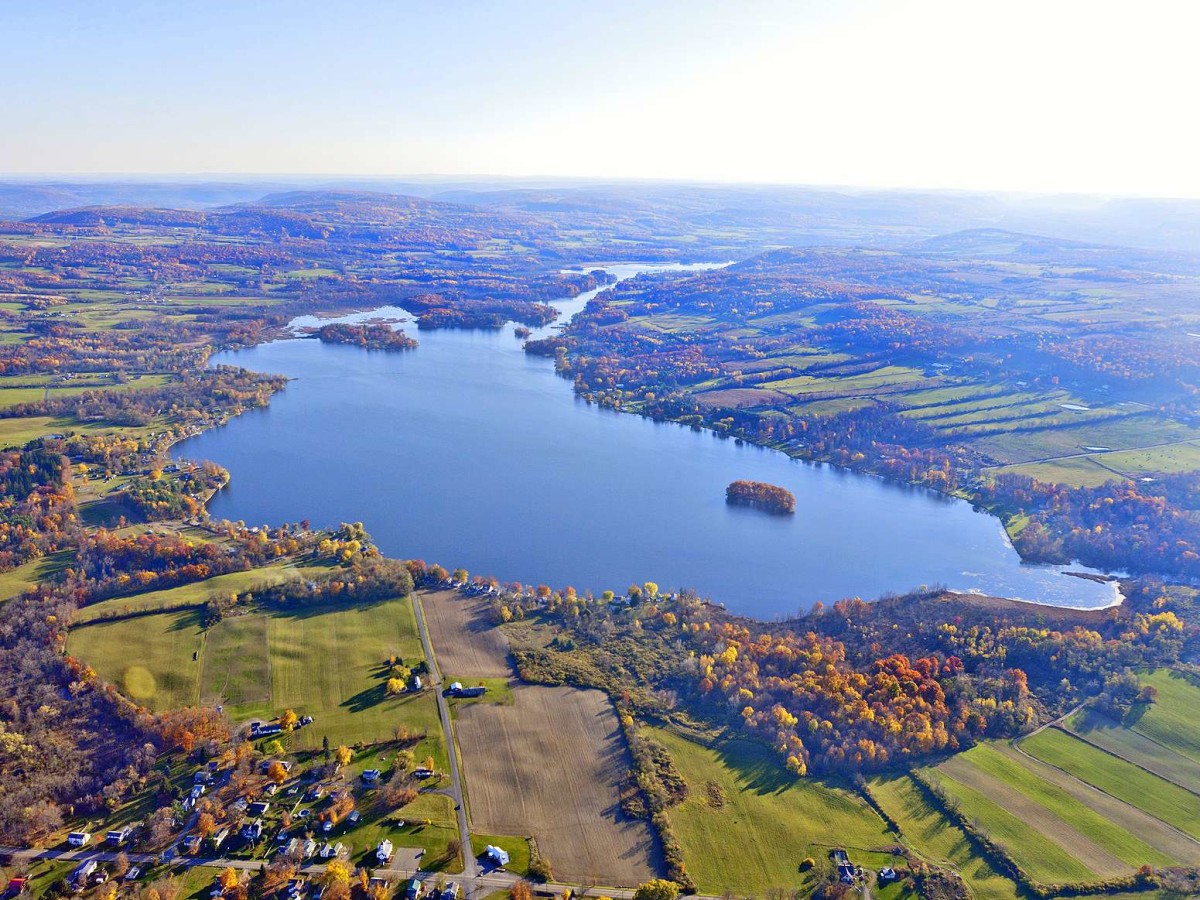
FLLT’s origins are deeply rooted in birds and bird conservation, as their conserved lands benefit breeding and migrating birds.
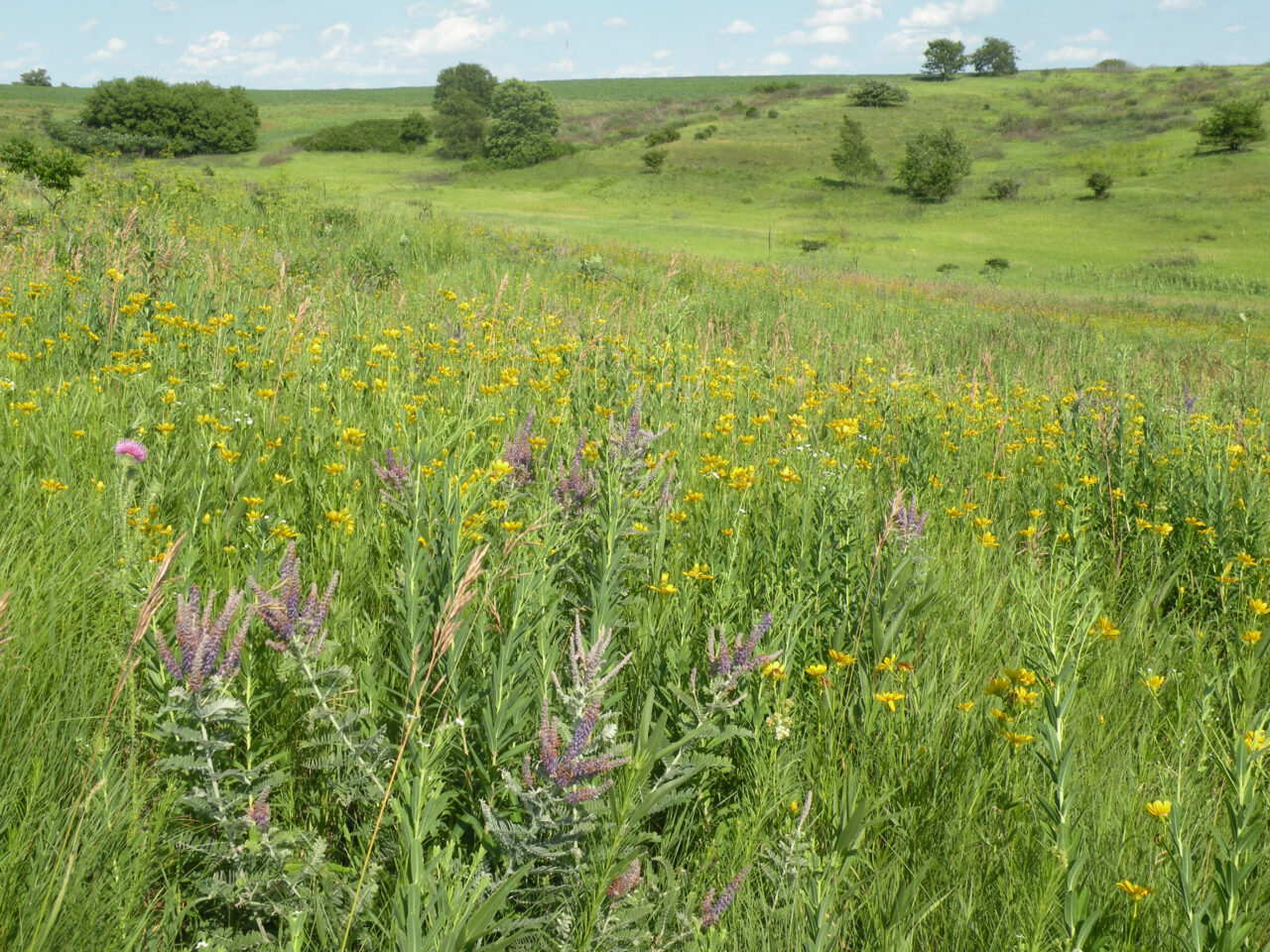
Operating under the organizational support of Driftless Area Land Conservancy (DALC), Southern Driftless Grasslands (SDG) is a partnership that connects landowners to stewardship resources.
Dauphin Island Bird Sanctuaries (DIBS), an all-volunteer land trust in Alabama, used funds from a small grant in 2021 to manage 15 acres of important habitats on the barrier island.
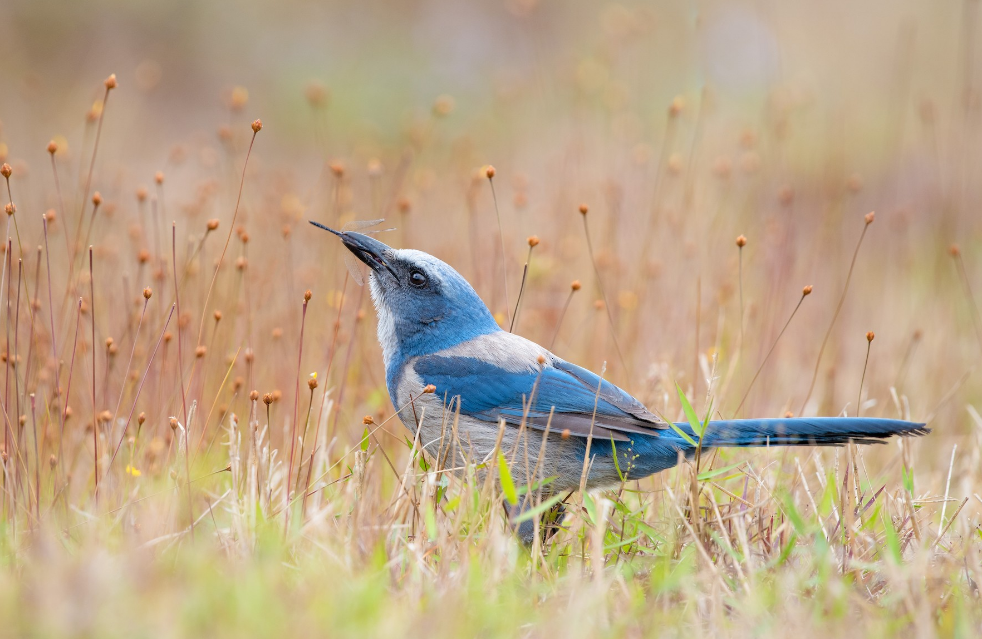
The Conservation Foundation of the Gulf Coast uses the Florida Scrub Jay as a keystone species for public outreach about habitat management and bird conservation in their community.