Webinar: Real-Time Acoustic Monitoring for Conservation and Community Engagement
Webinar Overview
Acoustic monitoring is transforming how we understand and care for our landscapes. Conservation professionals are increasingly turning to acoustic monitoring to better understand biodiversity, inform land management, and connect people with nature. This webinar introduces how solar-powered, real-time recording units—equipped with cutting-edge AI tools—can help land stewards detect species, monitor ecosystems, and share the sounds of their landscapes with the public.
We’ll explore the core concepts, practical tools, and creative possibilities of this technology, with a focus on BirdNET, a free and widely used sound identification system developed by the Cornell Lab of Ornithology.
We’ll conclude with a collaborative brainstorming session, inviting participants to imagine use cases and provide feedback about how real-time sound monitoring could support their lands, missions, and projects—whether it’s monitoring breeding birds in sensitive or inaccessible habitats, alerting staff to invasive species, or building immersive visitor experiences.
No technical background required. Just curiosity and a passion for conservation!
What You’ll Learn

- How acoustic monitoring supports long-term ecological insights with minimal disturbance
- The difference between archival vs. real-time detection workflows—and when each is useful
- How BirdNET and other free tools make sound analysis accessible
- The technology behind solar-powered, internet-connected recorders
- Use cases: monitoring invasive species, endangered or cryptic birds, recovering landscapes, and meadow management
- Ways to engage visitors and volunteers using recorded sounds and interpretive content
Speakers
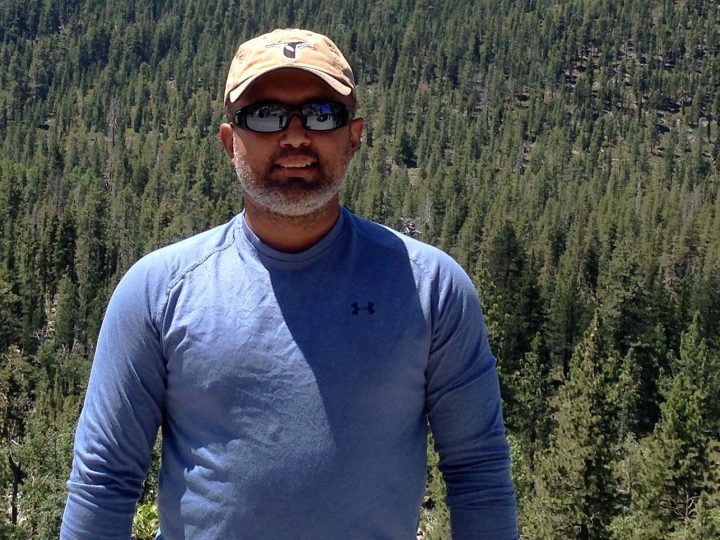
Stefan Kahl and Ashik Rahaman, researchers at the K. Lisa Yang Center for Conservation Bioacoustics at the Cornell Lab of Ornithology