Celebrating the birds of Pueblo Nuevo
The community of the Ñokribo region, located in the Ngäbe Buglé Comarca of Panama, is inhabited mainly by descendants of the indigenous peoples of the Ngäbe and Buglé groups and rural farmers. The Bilingual Education Center of Pueblo Nuevo organized several educational activities in the community with the aim of promoting the protection of birds, the environment, and the local traditional culture. These activities which also encouraged pride and appreciation for local birds and boosted the development of birdwatching and ecotourism in the region were carried out over more than a year. The activities were partly supported by the mini-grant program of the Cornell Lab of Ornithology were led by the EPA group and its coordinator Esther Bonilla, with the support of community leaders, other educators, and community members.
Workshops
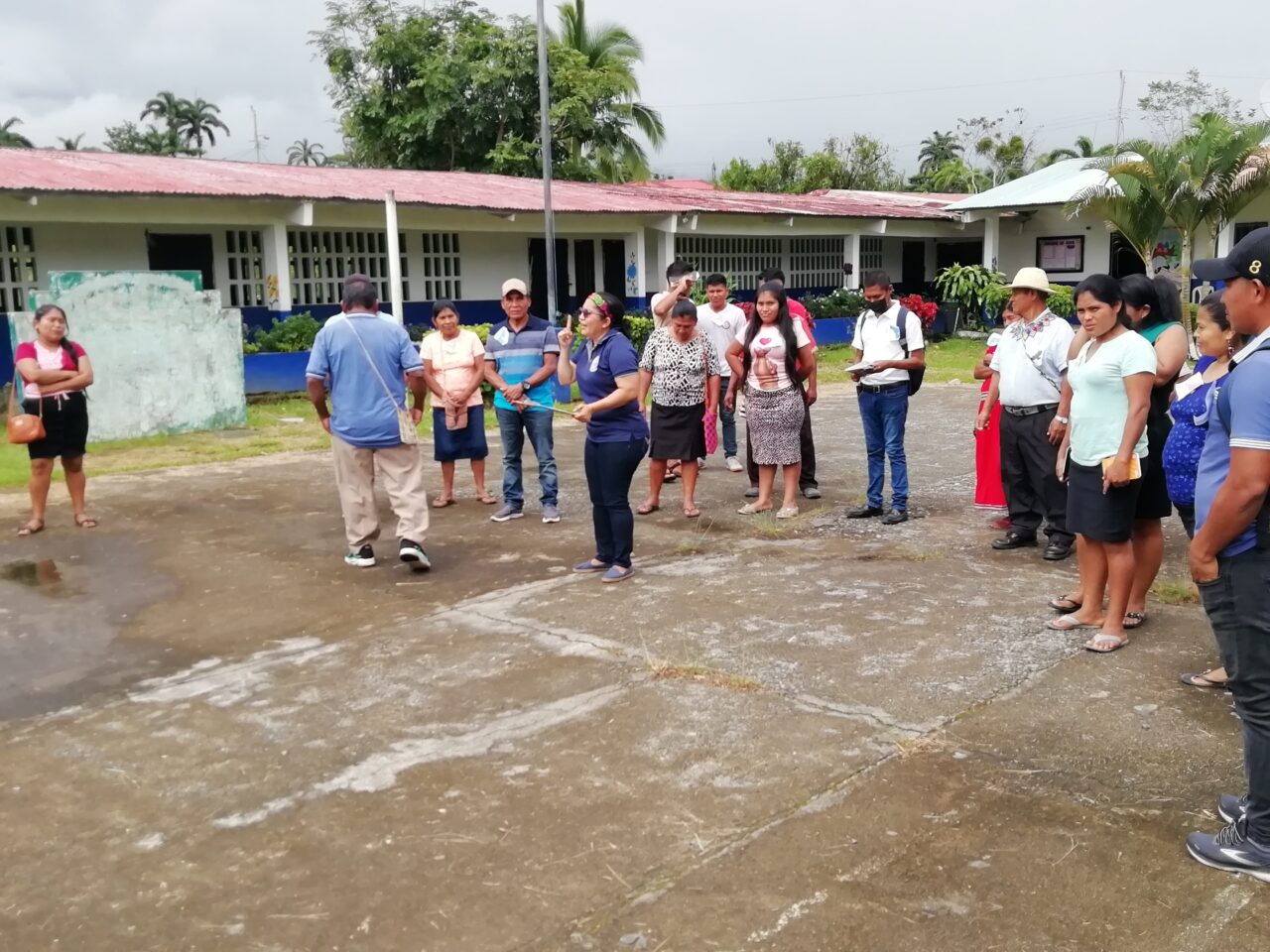
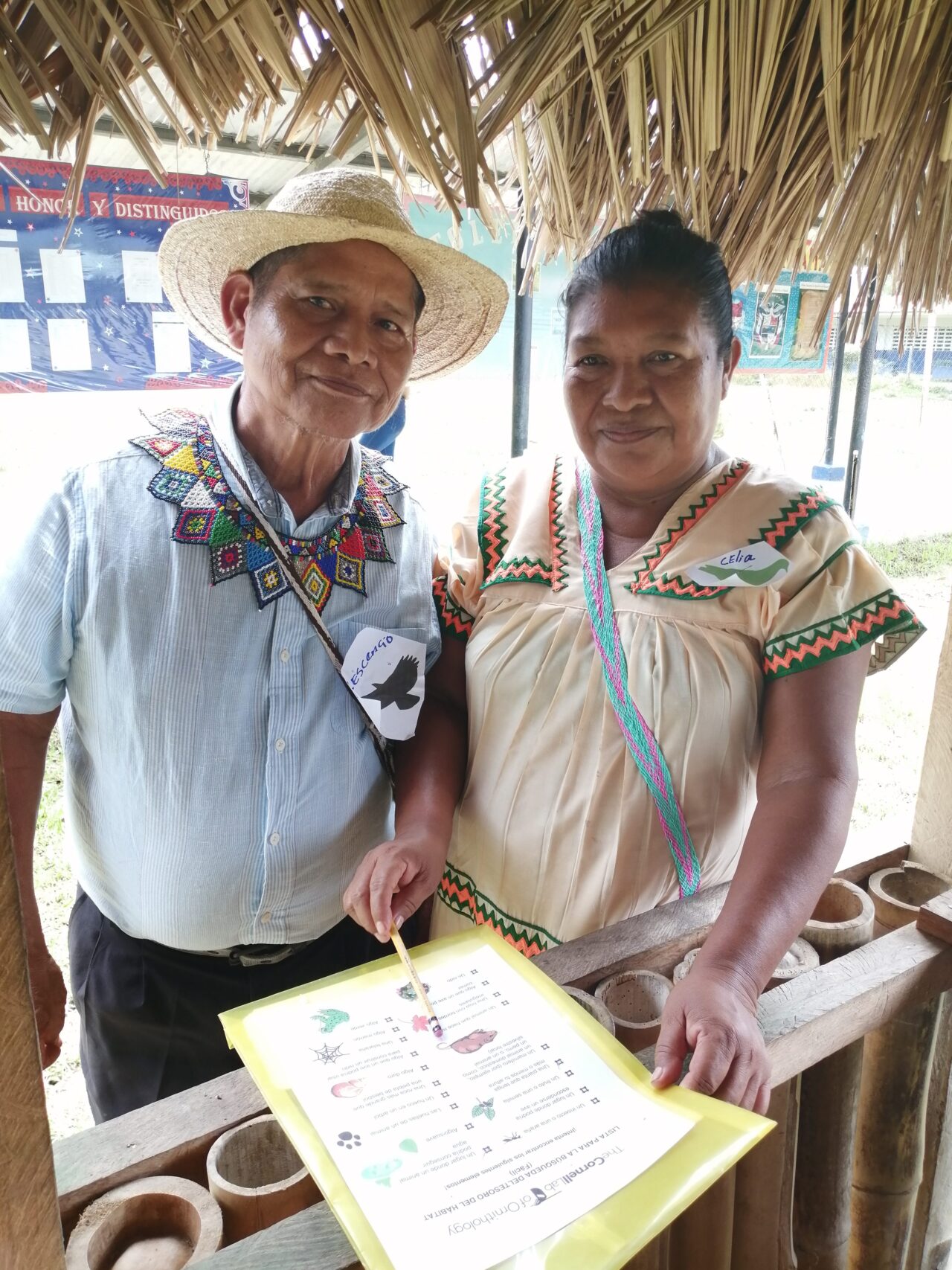
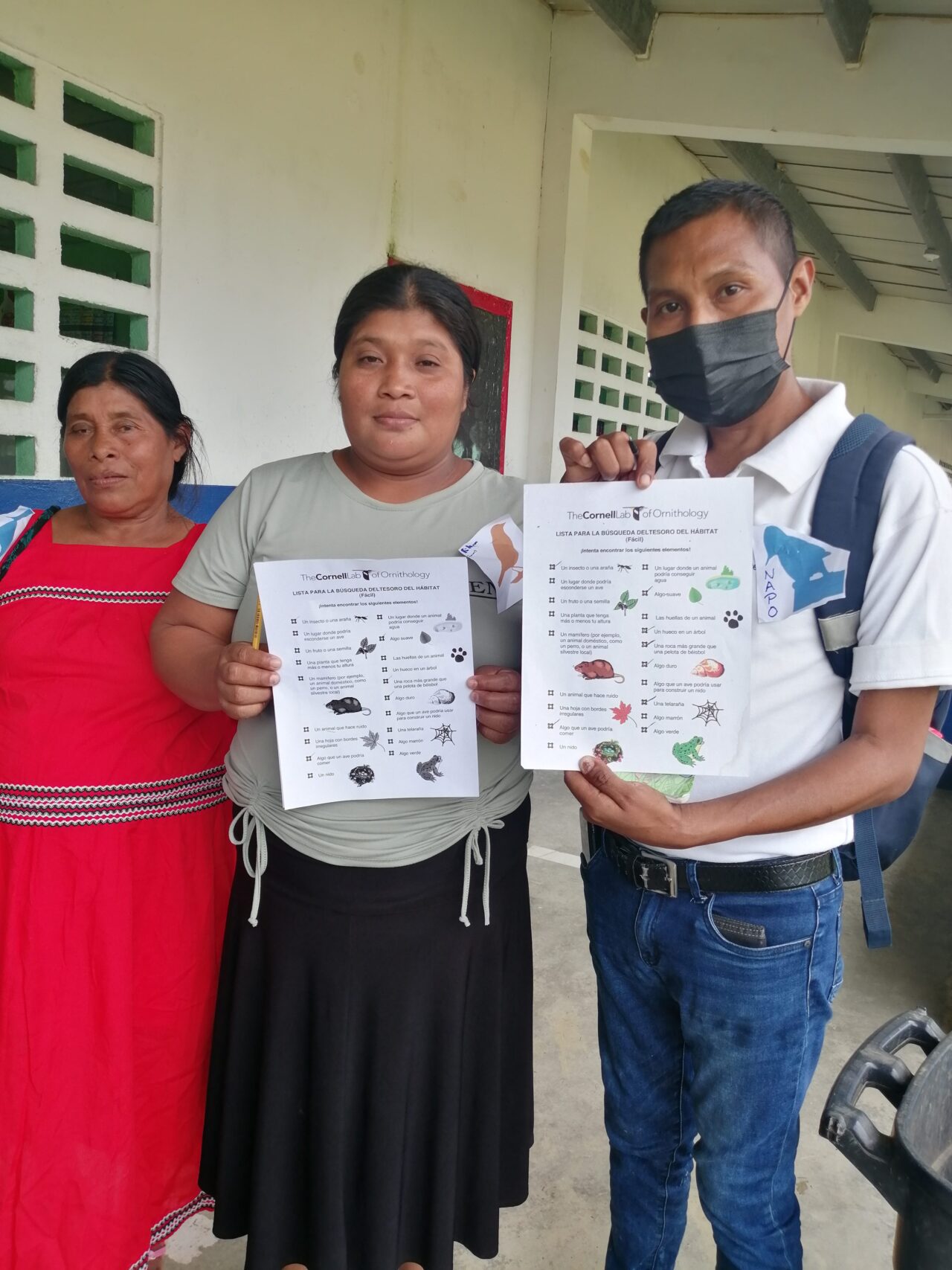
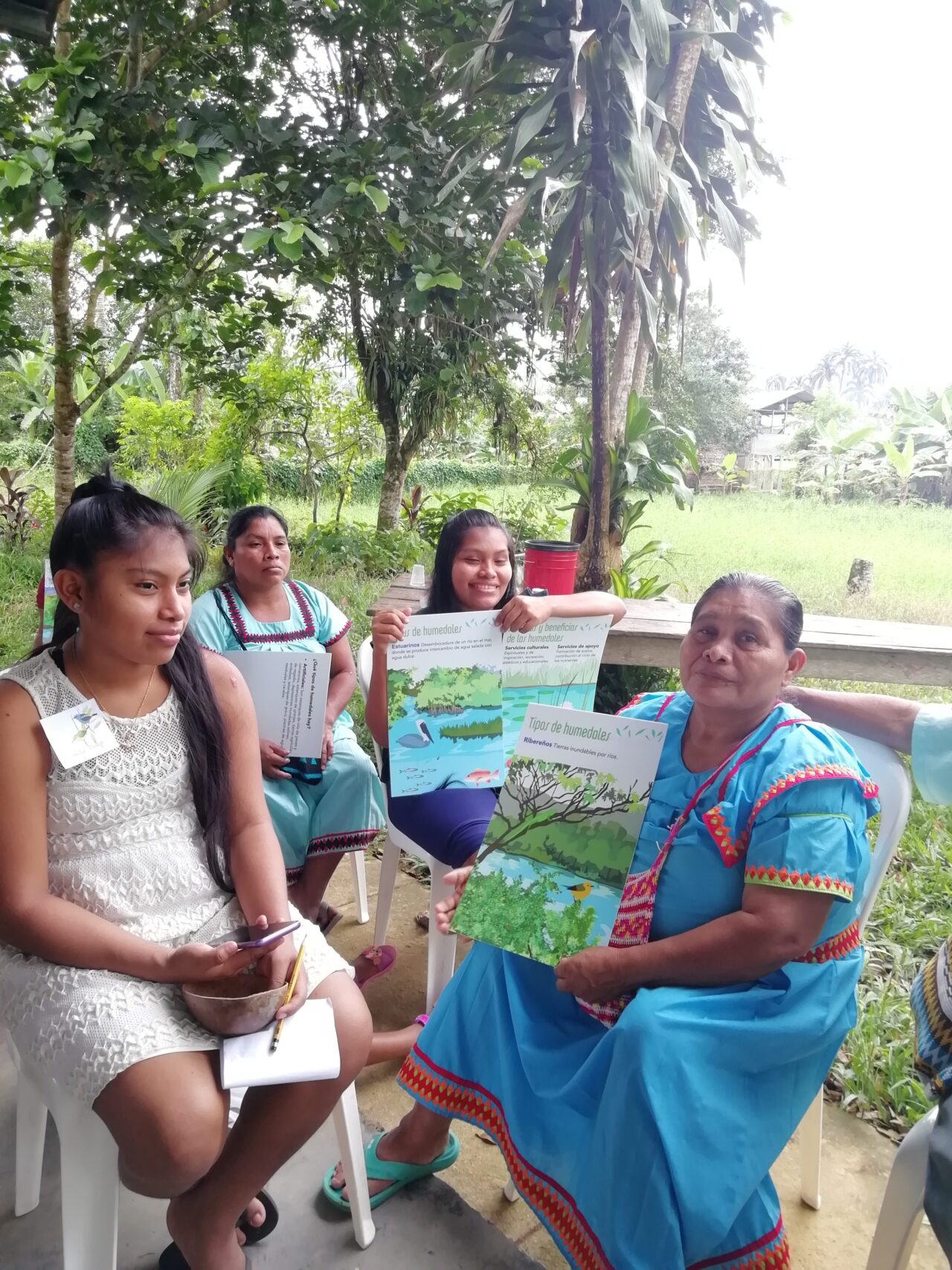
Community leaders, farmers, artisans, seamstresses, a cultural dance group, students, and homemakers all participated in the first workshop. Materials from the BirdSleuth International Curriculum were used to teach these groups about birds, their behaviors, habitats, and how to identify them in a fun and accessible way. This was the first time community members received formal basic information in these topics about the birds in their area.. Following the activities, participants showed a great interest in continuing to learn about birds and discussed how birds influence their daily lives. They also decided to organize a second event in the future and plan the region’s first Bird Festival – thrilling!



The following activities
A month later, the second workshop was held. Participants discussed how to create a space in the community to protect birds and how to develop birdwatching tourism as a sustainable and beneficial activity for the community. Participants from Pueblo Nuevo used the Community Avitourism Group of the Americas manual to conduct a self-assessment, which helped the community identify their natural resources and the threats they face. Located between two rivers, Pueblo Nuevo has areas susceptible to floods during rainy seasons, but are ideal for bird watching. The importance of wetlands was also discussed. The discussion was supported by the CECoP Tools project (National Plan for Communication, Education, Awareness, and Participation of the Public) of the Panama Audubon Society and focused on water management, reforestation, and biodiversity conservation. The Pueblo Nuevo community committed to continue working on these issues to address environmental challenges that not only affect the region’s rich biodiversity but also its inhabitants, both avian and human. After the workshop, community members and their leaders were pleased with what they had learned and shared, and they committed to continuing to protect the region’s natural environment.

The Bird Festival
The community of Pueblo Nuevo wanted to hold a Bird Festival to celebrate all that they had learned. Many people wanted to be involved! Educators from the Bilingual Education Center of Pueblo Nuevo participated in a training to implement the BirdSleuth International Curriculum activities in their classrooms and connect these activities and their participants to the Bird Festival. Teachers and students planned various presentations for the community on the day of the festival. By implementing the BirdSleuth International Curriculum activities, teachers encouraged their students to develop scientific, reading and writing, math, and artistic skills, giving wings to their imagination.
“With Their Wings, They Embrace Our People”: The First Bird Festival
The first bird festival in the Ñokribo region was a success! Many children, farmers, artisans, educators, and government organizations participated. During the festival, elementary school children paraded with their bird masks, sang, and recited poems about birds and their virtues. Older students participated in a kite flying contest with prizes awarded for the highest flying and best-designed kites.
The festival included environmental education workshops, bird bingo, and a birdwatching session led by Professor Yasmin Cerrud of the San Mateo C.E.B.G Bird Detectives Club. The traditional art group Jirönday Ngäbriön performed dances from the Ngäbe Buglé Comarca. There was also an exhibition of local handicrafts, such as woven bags, traditional dresses, local food, and medicinal plants. It was wonderful to see the community involved in and captivated by birds and their local culture.


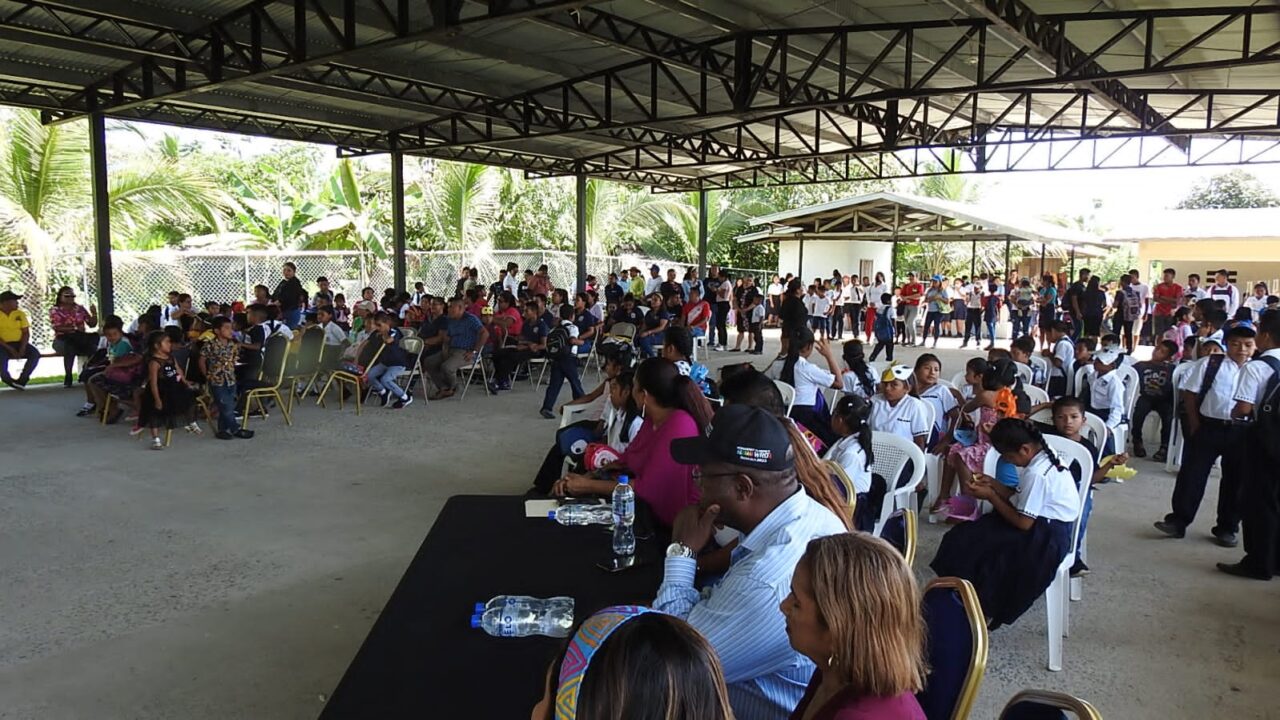

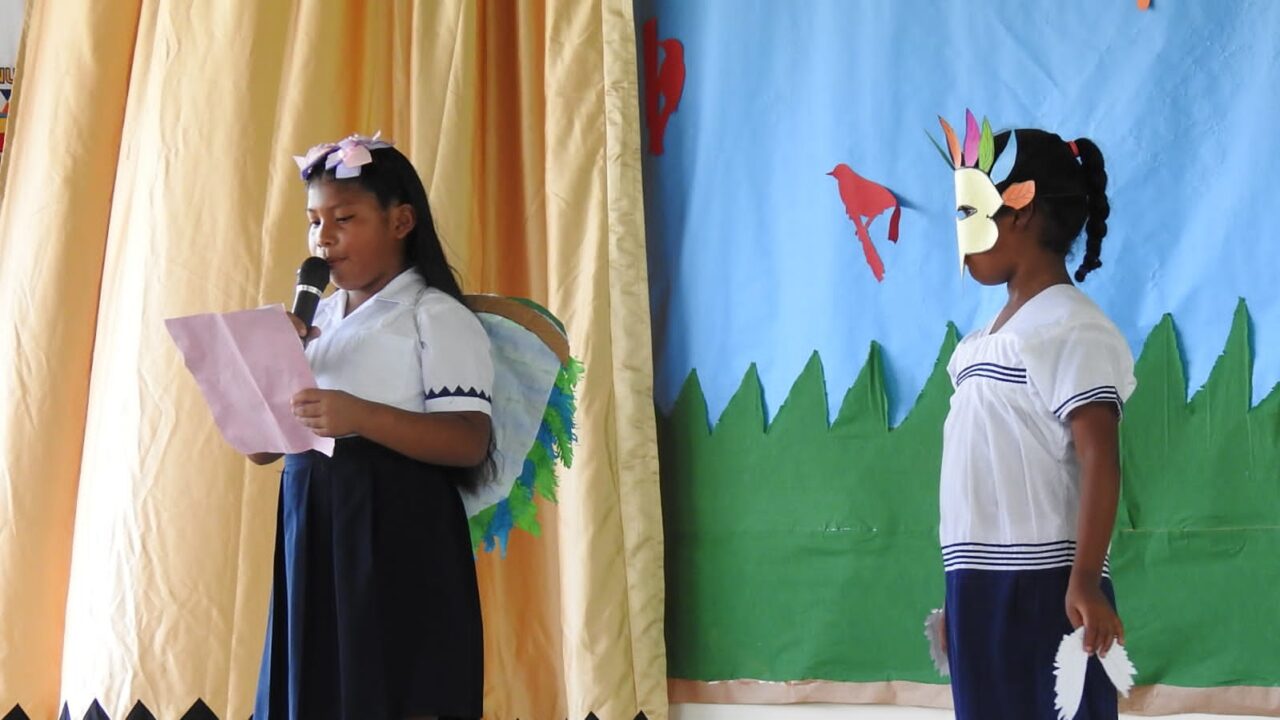
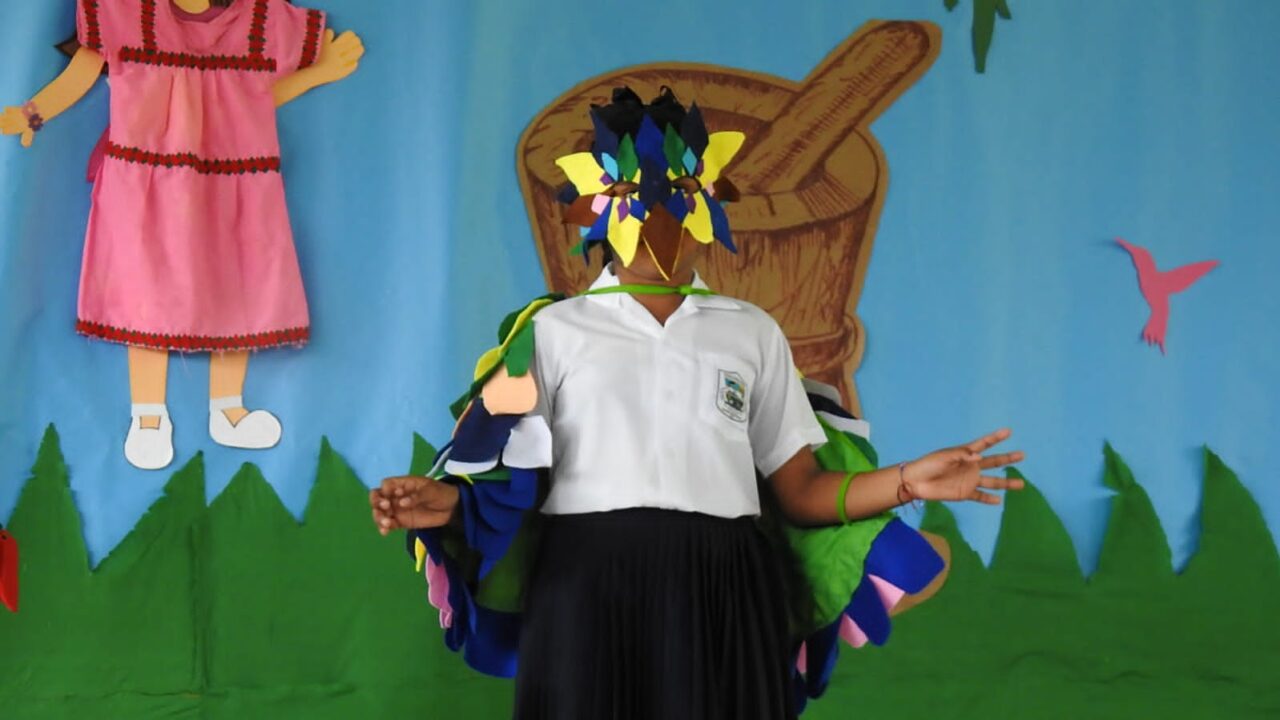
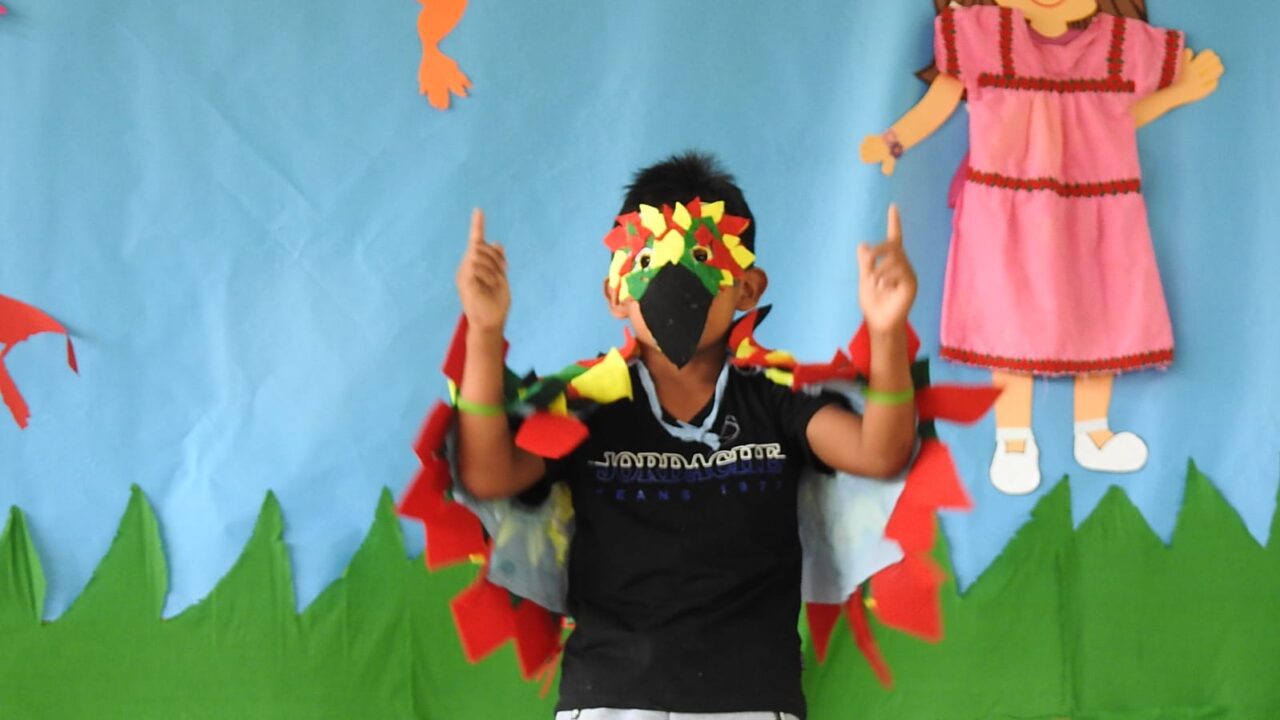
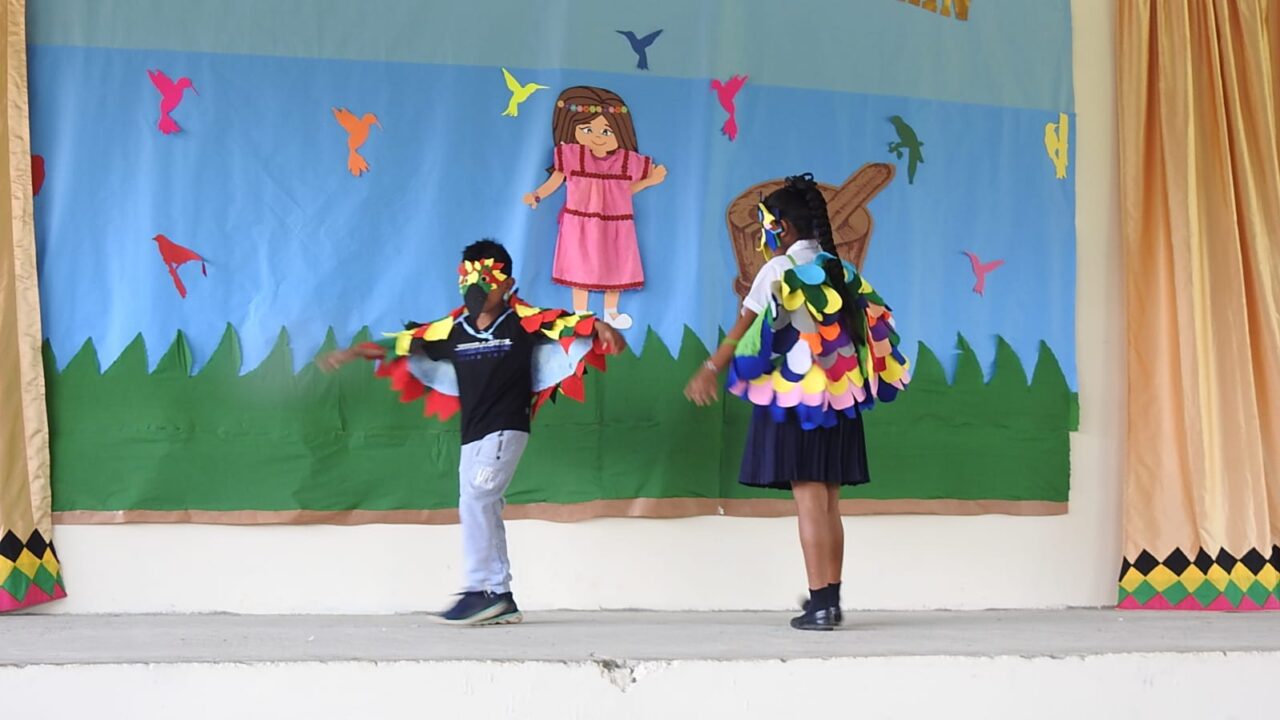
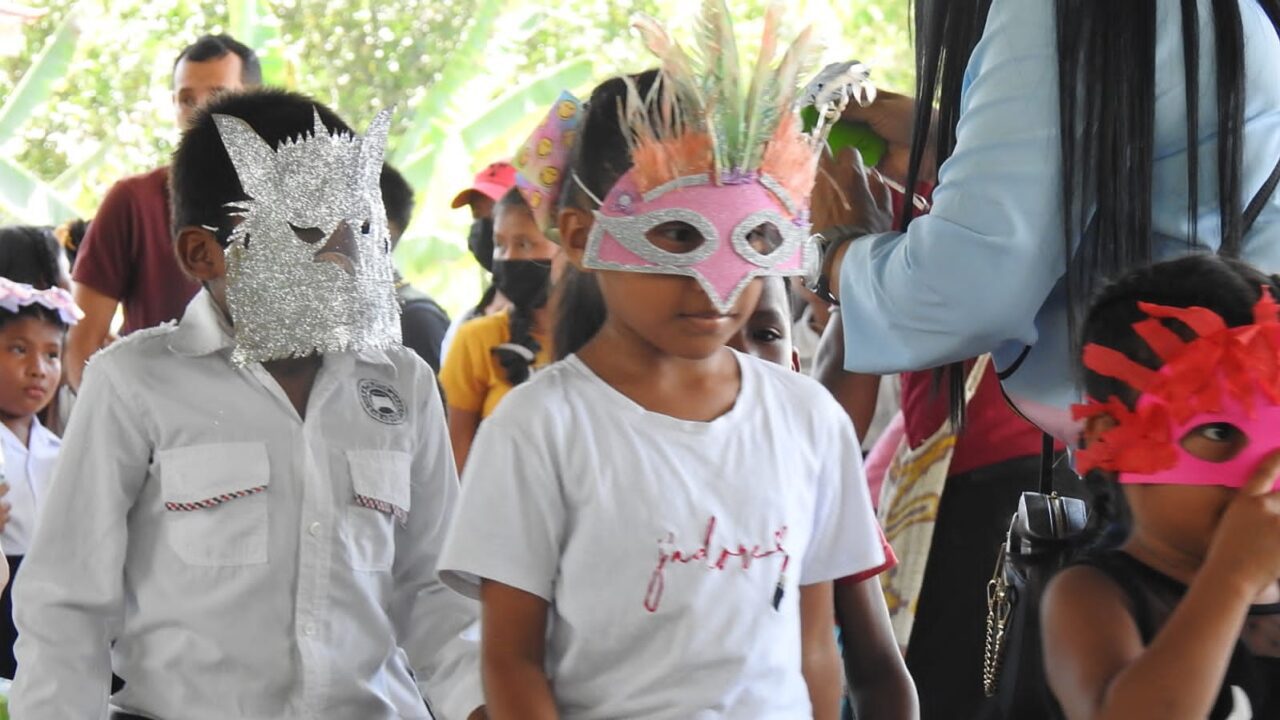


During the festival, Bliss Circular Economy presented a project on organic compost and activated charcoal for banana production, promoting chemical-free agricultural practices which protect the environment and the region’s birds. The festival also included representatives from Panama’s Ministry of Education, as well as parents and representatives from civic associations of nearby communities. The event marked a significant step toward increasing the appreciation of the region’s birds and cultural traditions among community members.
After the Festival
The festival was so inspiring that eighth- and ninth-grade students from the Bilingual Education Center of Pueblo Nuevo organized riverbank clean-up activities, focusing on reducing the use and presence of plastics. They also participated in reforestation and birdwatching activities and planted a berry species adapted to the area’s environmental conditions, which provides food and shelter for several local bird species.
After a year of activities, the community gathered to evaluate their achievements and plan the next steps. During this meeting they learned to identify birds using field guides donated by ADOPTA Bosque Panamá and the Panama Audubon Society’s CECoP Tools. They also recorded observations on the eBird platform and learned to use the Merlin Bird ID mobile app. Some of the bird species they observed included the Montezuma Oropendola (Psarocolius montezuma), the Ringed Kingfisher (Megaceryle torquata), the Brown Jay (Cycnocorax morio), the Black-chested Jay (Cyanocorax affinis), the Yellow-crowned Euphonia (Euphonia luteicapilla), the Golden-hooded Tanager (Stilpnia larvata), the Scarlet-rumped Tanager (Stilpnia larvata), and the Orange-chinned Parakeet (Brotogeris jugularis).


The Pueblo Nuevo community graciously thanks the Cornell Lab of Ornithology for their support through the mini grant for Latin American and Caribbean organizations. The grant enabled the development of educational activities to promote the knowledge and care of nature and birds in the region as well as participatory science activities and the strengthening of birdwatching tourism. They also thank the students and teachers of the Bilingual Education Center of Pueblo Nuevo for their active participation and interest in community activities. The workshops and events have helped the community better understand bird behavior, birds’ importance to the ecosystem, the risks they face due to human activity, and the role each person can play in sustainably protecting them. Additionally, this project has been key to strengthening the community’s cultural and traditional identity and promoting biodiversity conservation in the Ñokribo region.
Photos courtesy of Yasmin Cerrud and Esther Bonilla.
Article written by Maoz Bizan.