Land Trusts in Action
Land trusts leverage birds as both indicators of ecosystem health and powerful tools for engagement. Birds help land trusts identify priority lands for protection, attract donors and volunteers through birding activities, and provide measurable data to demonstrate conservation success through population monitoring and habitat assessments. In turn, land trusts across the U.S. provide vast benefits to birds by protecting critical habitats and through their conservation actions. This website highlights some of the great work of land trusts—through collaboratives working with the Cornell Lab of Ornithology (Cornell Lab) and by showcasing many land trust success stories.
Success Stories
There are numerous land trusts that have had exceptional experiences conserving both lands and birds; we interviewed many of these land trusts. Their stories have inspired others interested in becoming more involved in bird conservation and demonstrated how a land trust can benefit from bird conservation, including which first steps to take. We encourage you to read these success stories to learn more about their bird conservation efforts, and what they did to succeed.
Collaboratives
Strategic and coordinated efforts across regions or landscapes can substantially increase the impact and cost-effectiveness of conservation by leveraging investments and resources from multiple partners. Land trusts within a region are natural partners by way of geography and are likely to share species that are in most need of conservation action.
The Land Trust Bird Conservation Initiative’s Conservation Collaboratives (Collaboratives) are regional land-trust partnerships fostered by the Cornell Lab and linked to local bird organizations and other partners working within their collective landscape. Each Collaborative is organized around a cluster of partners that share similar habitats and responsibilities for protecting and managing these habitats and high priority bird species. They receive initial training, resources, and connections to on-the-ground partners from the Cornell Lab, building capacity to leverage collective resources and secure funds with the goal of generating synergy and accomplishing larger-scale conservation of imperiled species and habitats than would be possible by individual organizations working alone.
Presently, the Cornell Lab has six active Collaboratives:
-

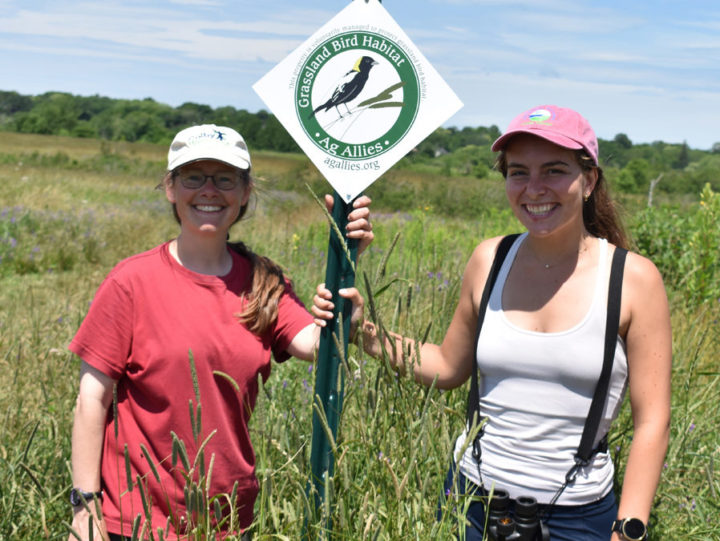
Laura Lecker (left) and Maeve McGowan (right) holding signage for grassland bird habitat at a protected property. Photo credit: Ag Allies Ag Allies Collaborative
Provides financial and technical assistance to Maine landowners and land trusts for management changes that balance both farmer and bird needs, put more grassland on the landscape for at risk species, raise awareness about grassland bird declines, and educate about incorporating birds in holistic planning on working lands.
Focal species: Bobolink, Eastern Meadowlark, Savannah Sparrow, American Bittern, Northern Harrier, Grasshopper Sparrow
-
Mark LaBarr of Audubon Vermont demonstrating bird banding and tree planting at Nordic Farm. Photo credit: Allaire Diamond, Vermont Land Trust Golden-chain Collaborative
Prioritizes and maps important areas in the Champlain Valley of Vermont and New York for Golden-winged Warblers and associated species, implements outreach with landowners and land trust partners, conducts habitat assessments, and develops conservation strategies to help achieve management goals.
Focal species: Golden-winged Warbler, Blue-winged Warbler, Prairie Warbler, Eastern Towhee
-
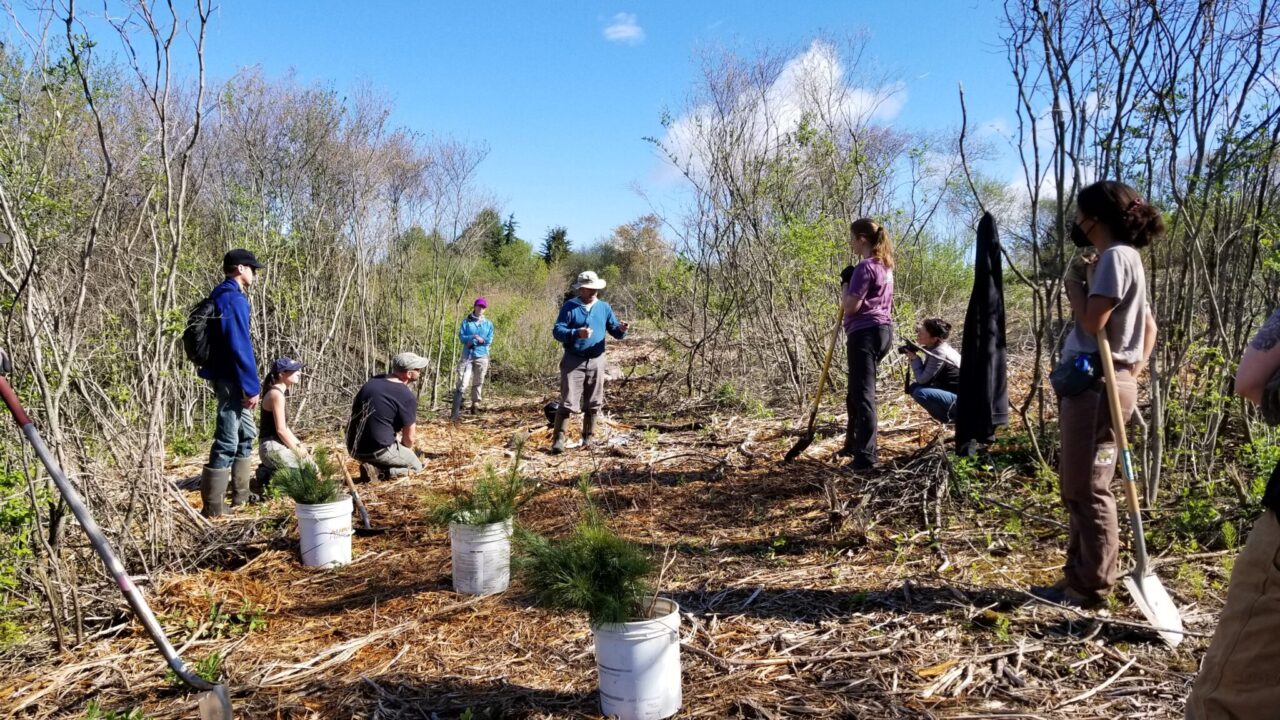
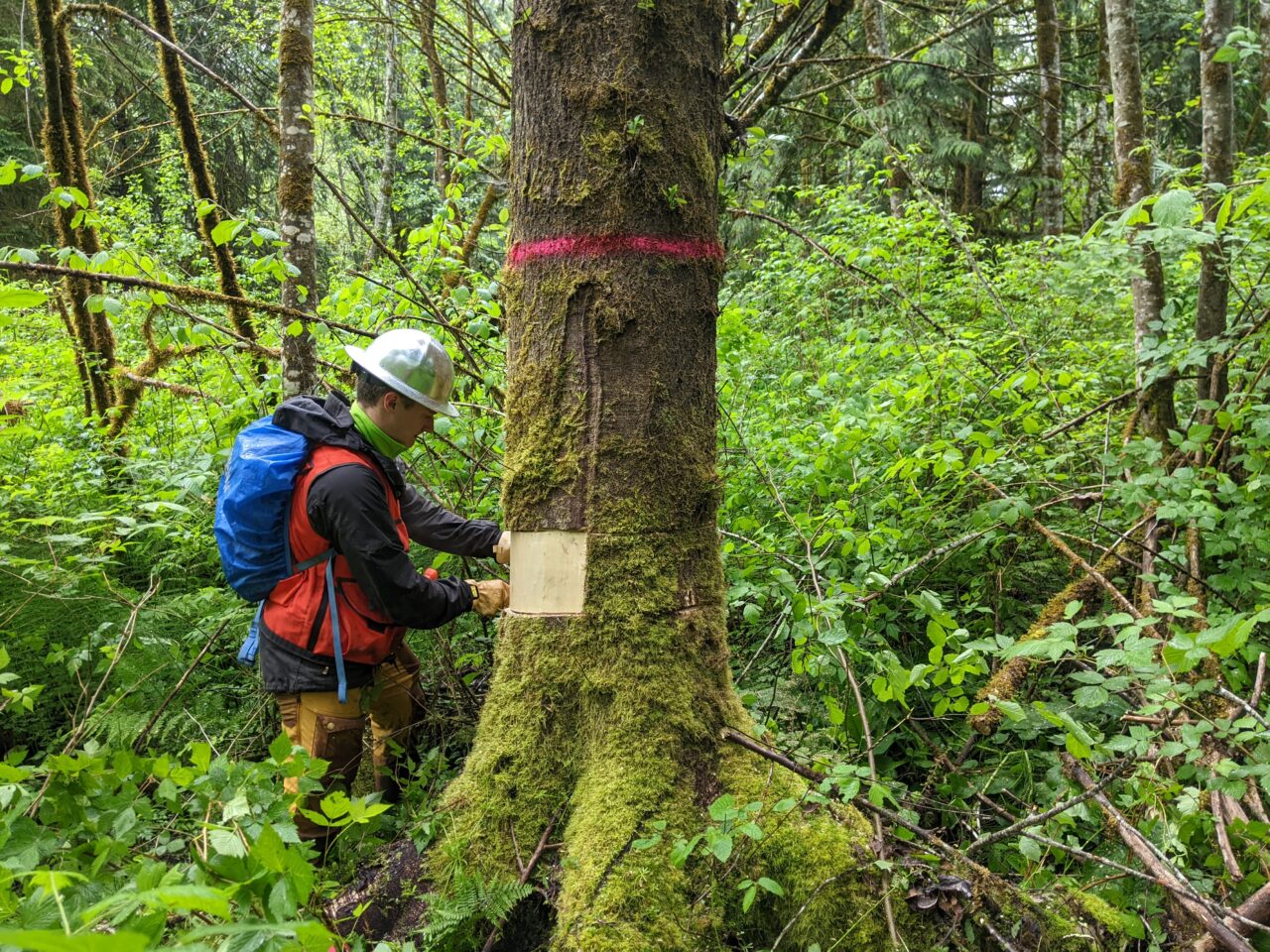
Girdling a tree to thin the forest at a preserved site. Photo credit: Adrian Wolf, Great Peninsula Conservancy Listen Up Collaborative
Improves the long-term survival of Western Washington forest birds by implementing state-of-the-art habitat improvement practices, initiating acoustic monitoring of bird responses to these conservation practices with AudioMoth devices, and publicly sharing their findings and replicable protocols through outreach and communications.
Focal species: Brown Creeper, Chestnut-backed Chickadee, Pacific Wren, Pileated Woodpecker, Spotted Towhee, Swainson’s Thrush, Western Flycatcher, Wilson’s Warbler, Red-breasted Nuthatch
-
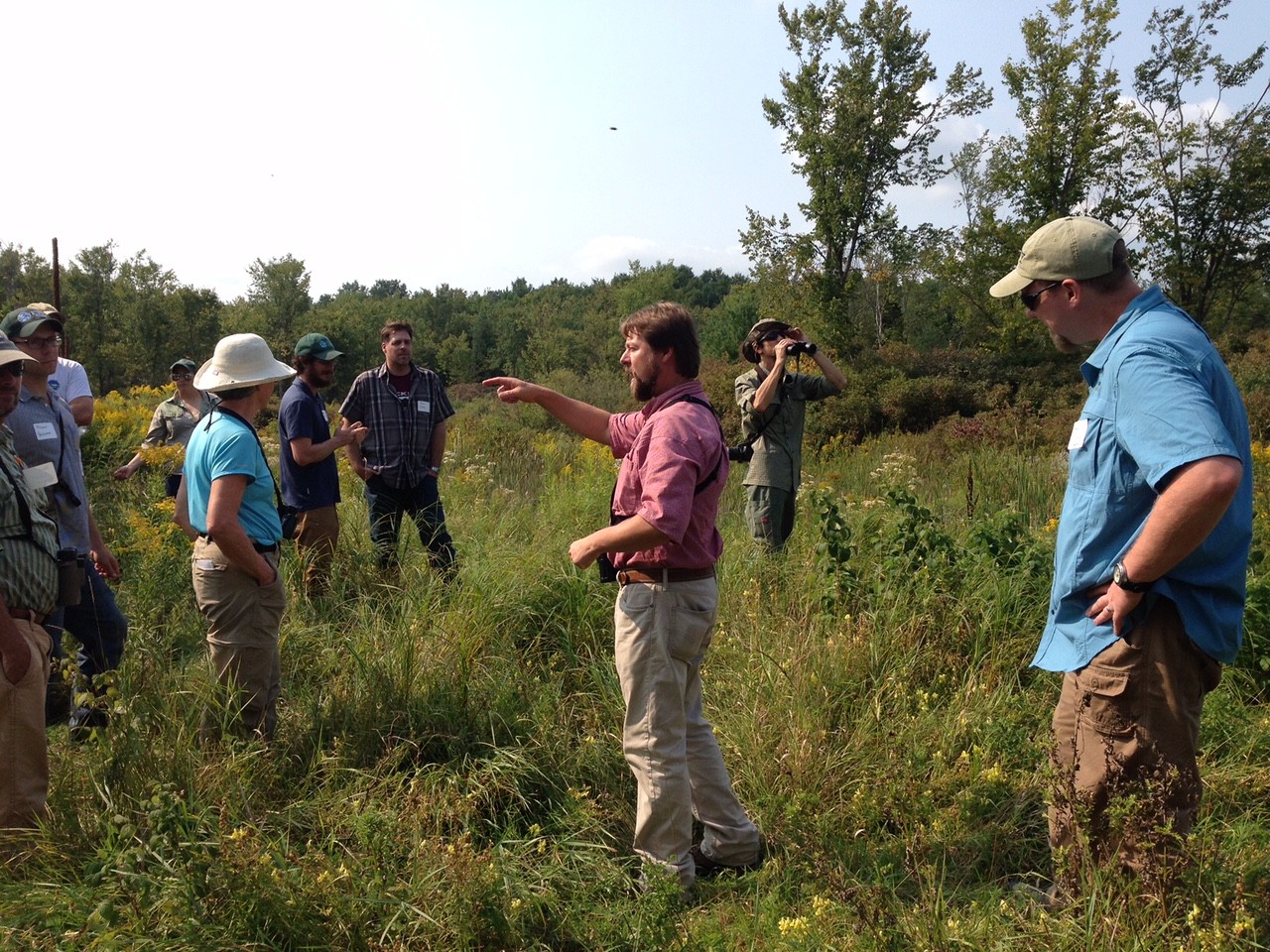
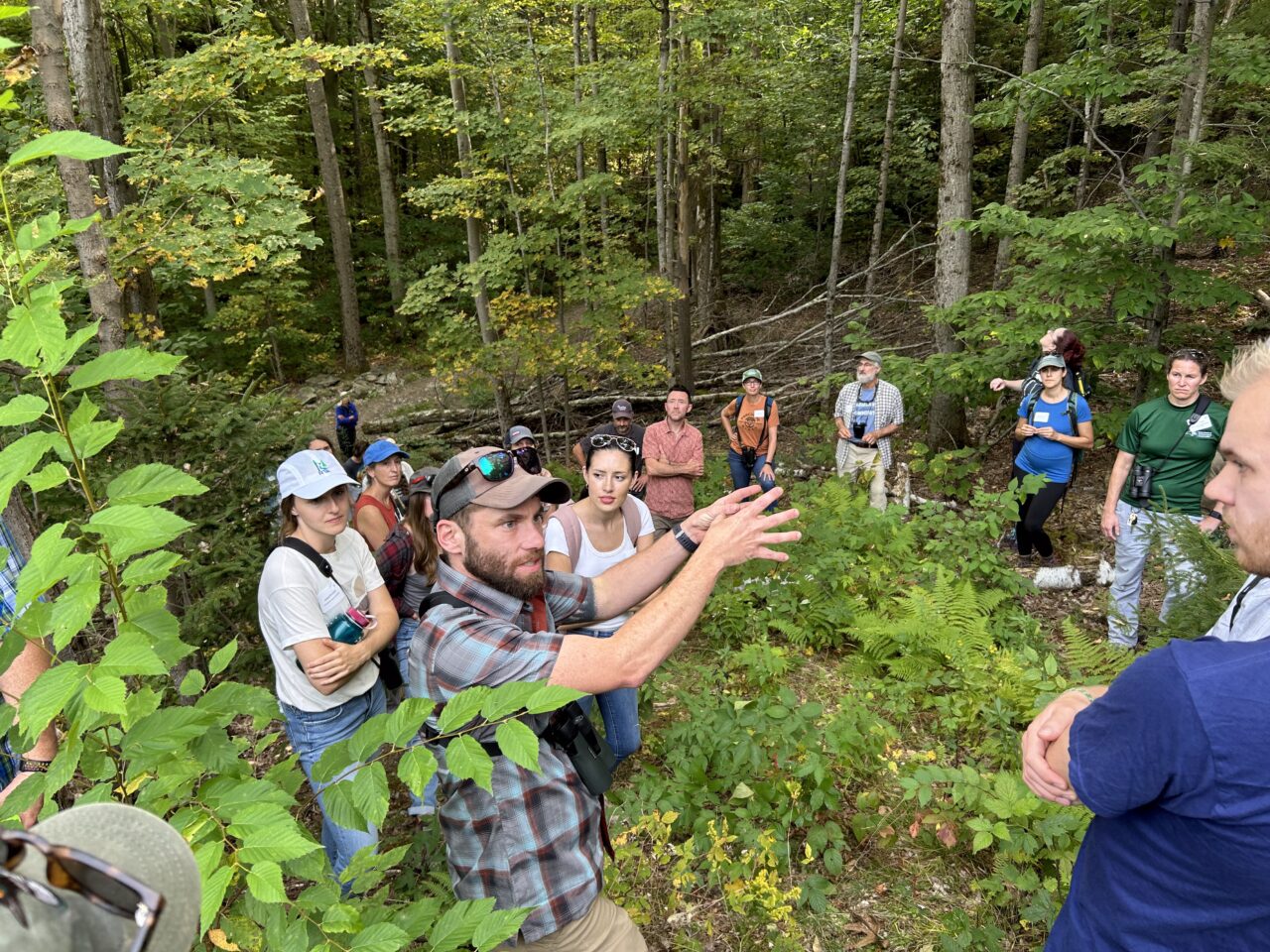
Tim Duclos of Audubon Vermont describing bird-friendly habitat management practices at Merck Forest. Photo credit: Sara Barker, Cornell Lab Northeast Bird Habitat Conservation Initiative
Helps the Regional Conservation Partnership Network connect with birds and bird conservation partners in ways that advance and expand their land protection efforts, partnerships, and ecological priorities by implementing eBird and habitat projects in forests and grasslands in New England and the Mid-Atlantic.
Focal species: Bobolink, Eastern Meadowlark, Wood Thrush, Black-throated Blue Warbler, Northern Bobwhite, American Kestrel, Cerulean Warbler, Golden-winged Warbler, Scarlet Tanager, White-throated Sparrow
-
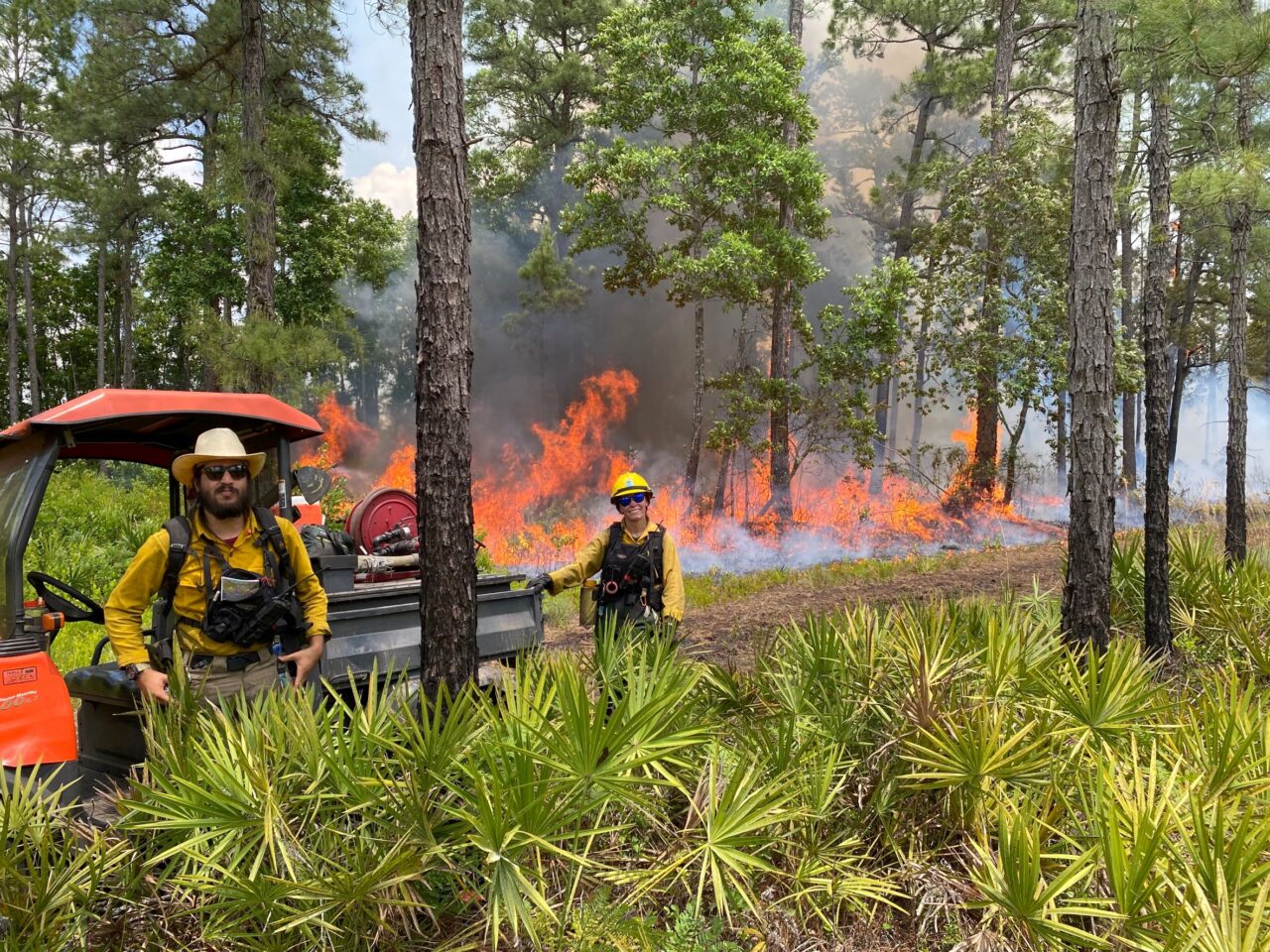
Alachua Conservation Trust staff conducting a prescribed burn in Florida. Photo credit: Tall Timbers Southeastern Burning for Birds Collaborative
Engages private landowners with ecologically-beneficial prescribed fire by combining habitat restoration, eBird, and partnership building to highlight the benefits of growing season burns in ways that bring maximum benefits to fire-adapted and declining bird species of Florida, Georgia, and South Carolina.
Focal species: Northern Bobwhite, Bachman’s Sparrow, Loggerhead Shrike, Brown-headed Nuthatch, Eastern Towhee
-
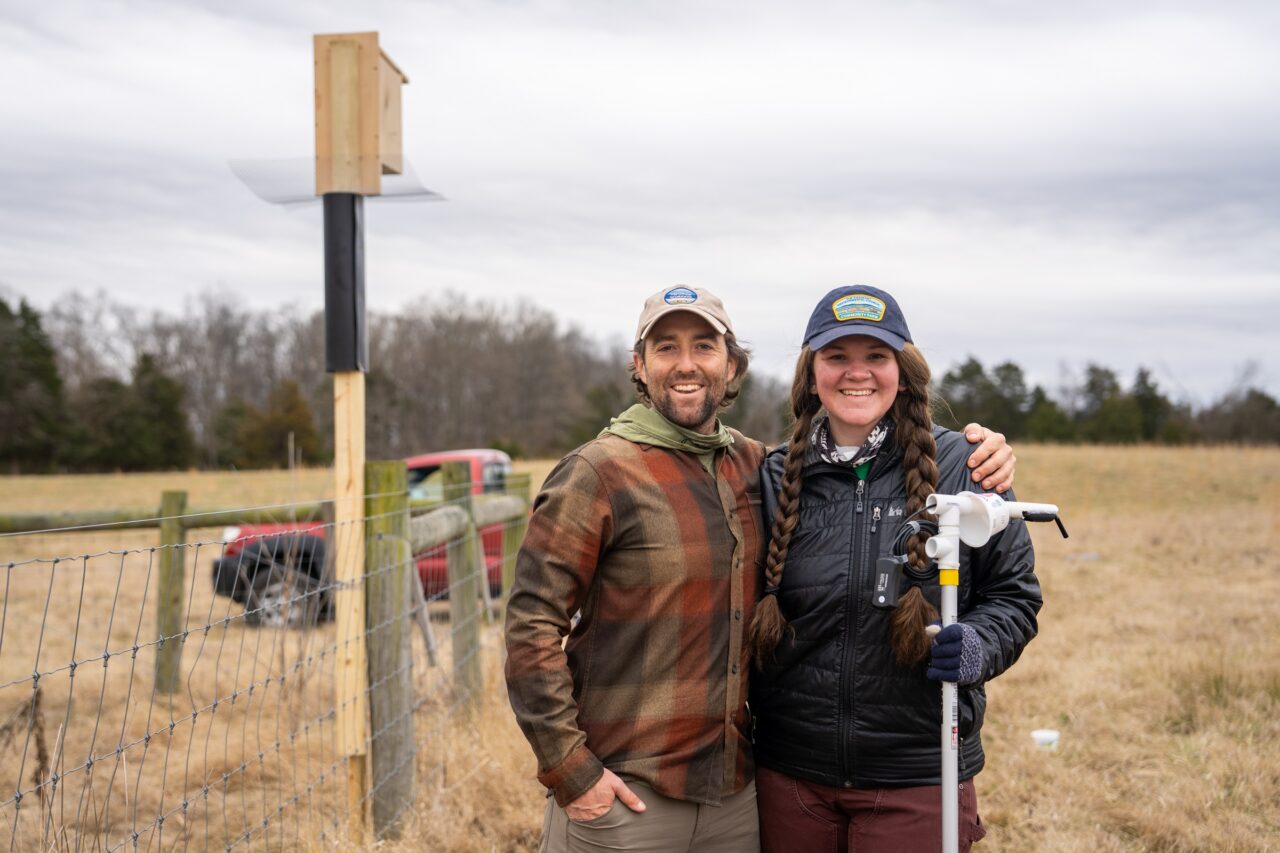
Justin Proctor (left) and October Greenfield (right), co-coordinators of the Virginia Grassland Bird Initiative. Photo credit: Hugh Kenny, The Piedmont Environmental Council Virginia Grassland Bird Initiative Collaborative
Develops novel ways to reverse the declines of grassland birds on working lands in the Virginia Piedmont, Blue Ridge, and Shenandoah Valley by working with landowners and producers across 16 counties to restore and monitor grassland habitat for the benefit of birds and farms.
Focal species: Bobolink, Eastern Meadowlark, Savannah Sparrow, Red-winged Blackbird, Northern Harrier, Grasshopper Sparrow, Northern Bobwhite, Short-eared Owl, Barn Owl, American Kestrel, Loggerhead Shrike
Previously, the Cornell Lab was also engaged in the efforts of these two Collaboratives:
-
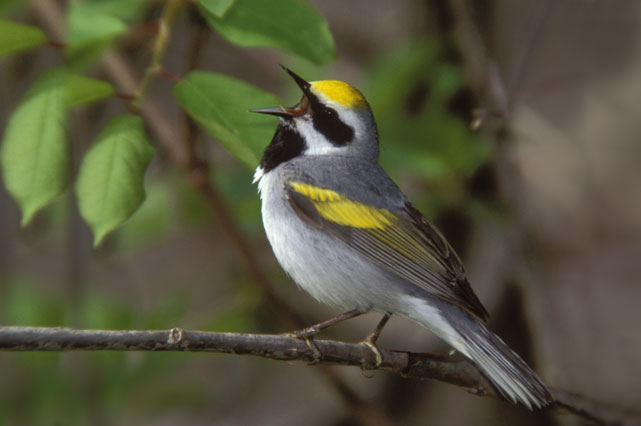
The Golden-winged Warbler population is in sharp decline due to lack of natural disturbances, too little forest management, and habitat loss from human development. Photo credit: Roger Eriksson St. Lawrence Valley Collaborative
The St. Lawrence Valley Partnership for Golden-winged Warblers was a collaborative focused on raising awareness about the importance of the St. Lawrence Valley for breeding Golden-winged Warblers and on creating and maintaining habitat for this imperiled species.
Focal species: Golden-winged Warbler
-
Delta waterfowl. Photo credit: Fred Greenslade Wings Over Western Waters
Wings Over Western Waters was an initiative of 16 western land trusts together with representatives of several conservation organizations. The initiative’s goal was to help local land trusts with the science and planning needed to identify key species and habitats for protection, to form useful partnerships with bird conservation organizations, to contribute towards large-scale conservation initiatives, and to acquire funding to help local land trusts complete projects.
Focal habitats: riparian, wetland
Sign up to receive our eNews and stay connected
The Land Trust Bird Conservation Initiative will send you updates about funding opportunities and ways to work with partners to protect birds and further your land conservation goals. We’ll highlight resources to assist with bird conservation on private lands, showcase tools and data visualizations to assist with planning and stewardship, and share success stories from the field.