Ag Allies Collaborative
Collaborative Overview
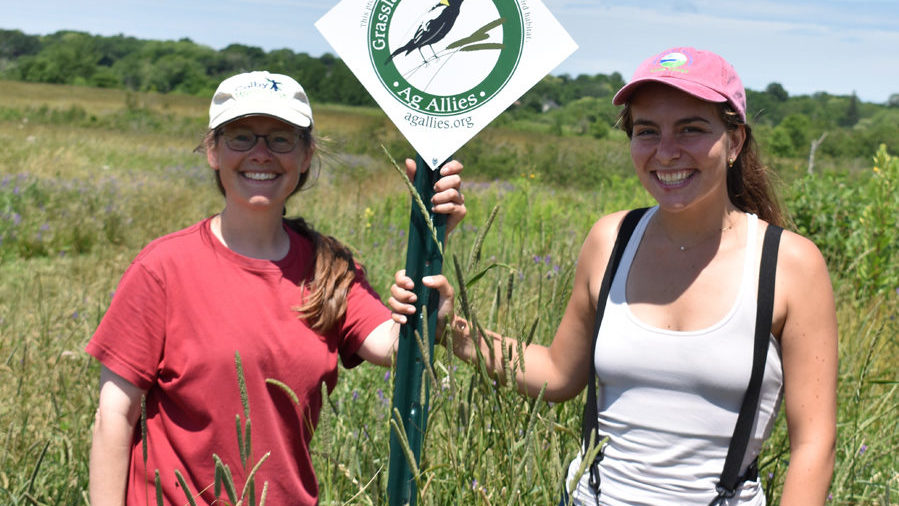
Ag Allies provides financial and technical assistance to landowners, land trusts, and partners for management changes that balance the needs of both birds and farmers across Maine—putting more grassland acres on the landscape for at-risk species by raising awareness about grassland bird declines, educating about benefits of incorporating birds as part of holistic planning on working lands, and providing on-farm incentive payments to help offset potential economic loss and give landowners the time and space needed to incorporate bird-friendly management practices.
Ag Allies brings together resource professionals, Audubon groups, Regional Conservation Partnerships, land trusts, landowners, and farmers for the preservation of grassland habitat and seeks to empower landowners to make sustainable bird-friendly management changes on their land and improve the opportunity for nesting success of grassland birds.
2025 Program Outcomes
- Enhanced breeding conditions on 3,000+ acres of grasslands
- Provided technical support to 200 participating landowners
- Conducted 130+ site visits to guide habitat improvements
- Protected 700+ breeding pairs of grassland birds
- Partnered with 13 land trusts to advance regional conservation goals
Focal Species


Eastern Meadowlark
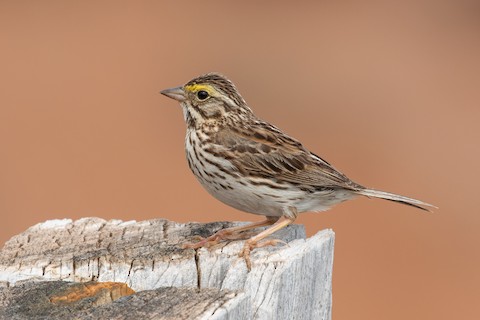
Savannah Sparrow
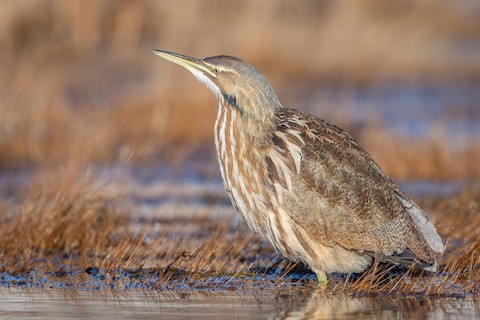
American Bittern
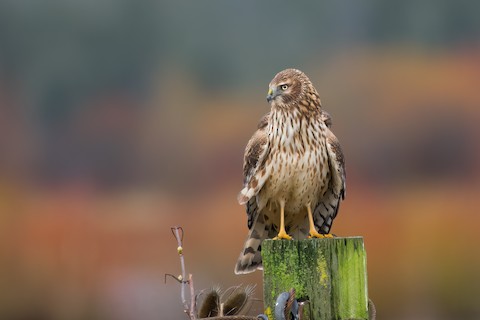
Northern Harrier

Grasshopper Sparrow
Contacts and Resources
Program Founder and Director
Program Manager
Partners in Conservation



Goals
1) Provide technical advice to help incorporate delayed mowing/grazing into holistic farm management. Since no two farms are alike, it is important to provide flexibility with a variety of tools for integrating grassland bird habitat with the needs of the farming operation to allow changes to become a permanent part of the farm’s management plan.
2) Assist interested land trusts with habitat management and by incorporating permanent bird-friendly management practice language into conservation easements and stewardship plans that will run with the deed of their protected properties in perpetuity.
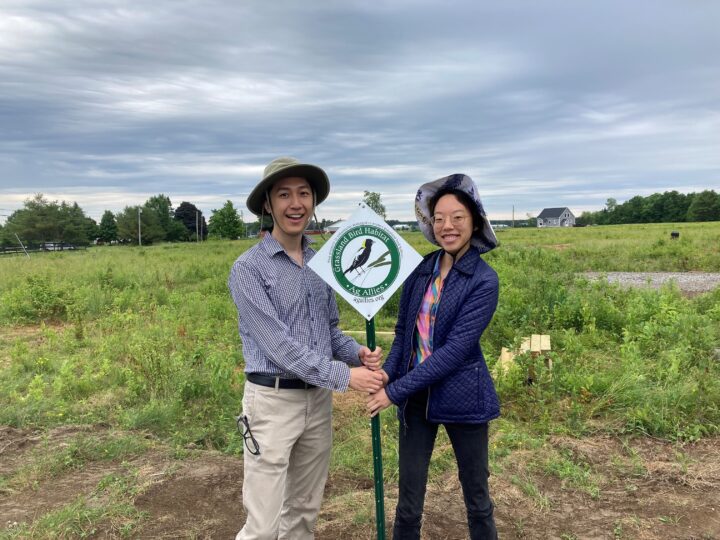
3) Provide incentive payments for working farmers to help offset the initial cost of the economic loss of delayed cutting. Our local farmers are pressed with many competing needs and uncertainties of prices and weather; thus, it is difficult for them to manage their grassland forage production needs in the best of circumstances
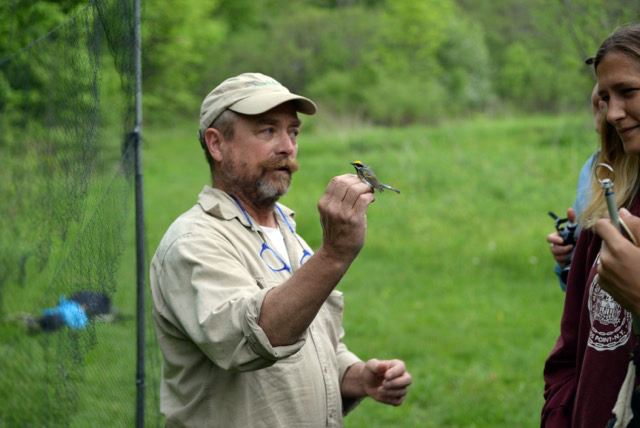
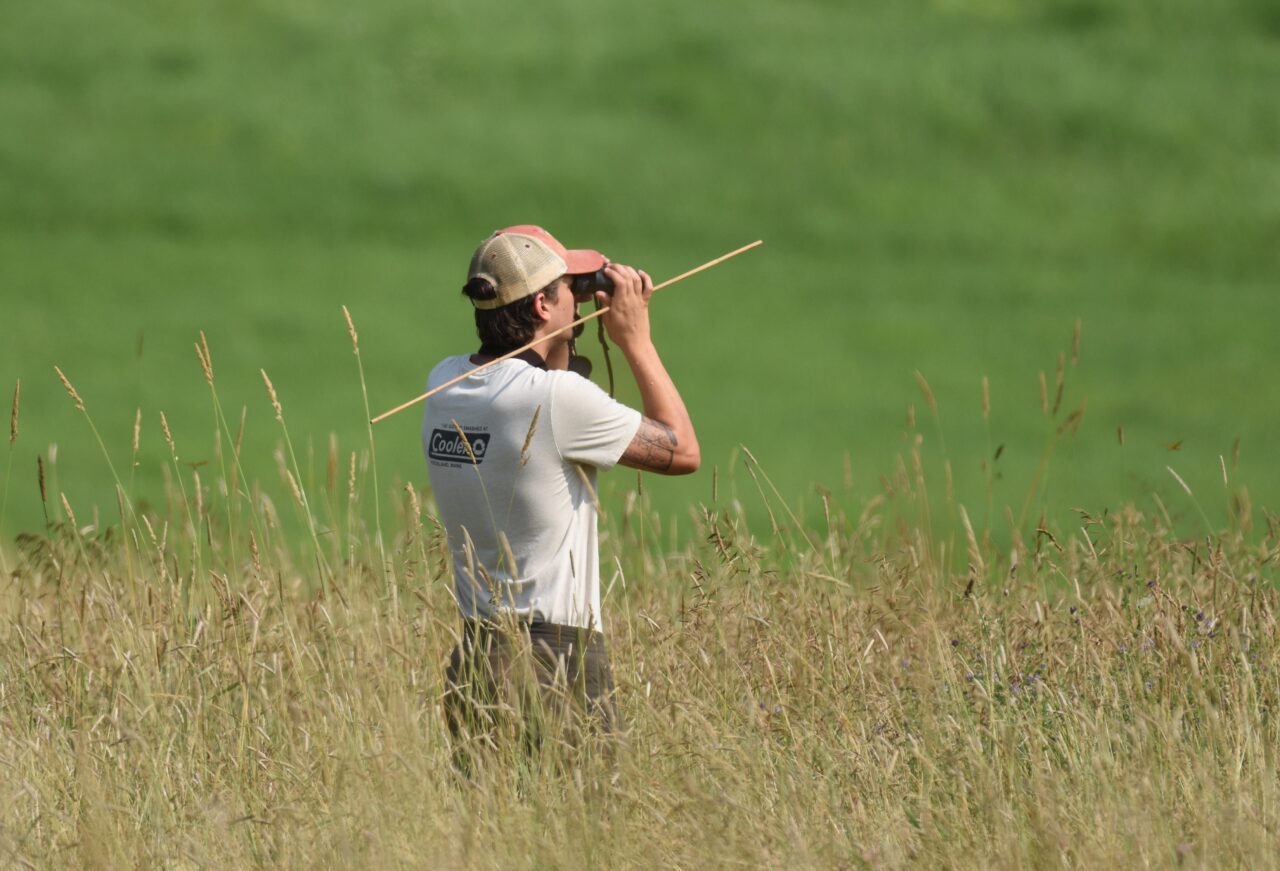
4) Conduct bird monitoring of fields enrolled in the program using protocol based on the non-invasive Vickery Method and record data in the Maine IFW’s Ag Allies mapping tool. Provide late season monitoring to allow farmers to harvest these fields as soon as fledglings are capable of sustained flight.
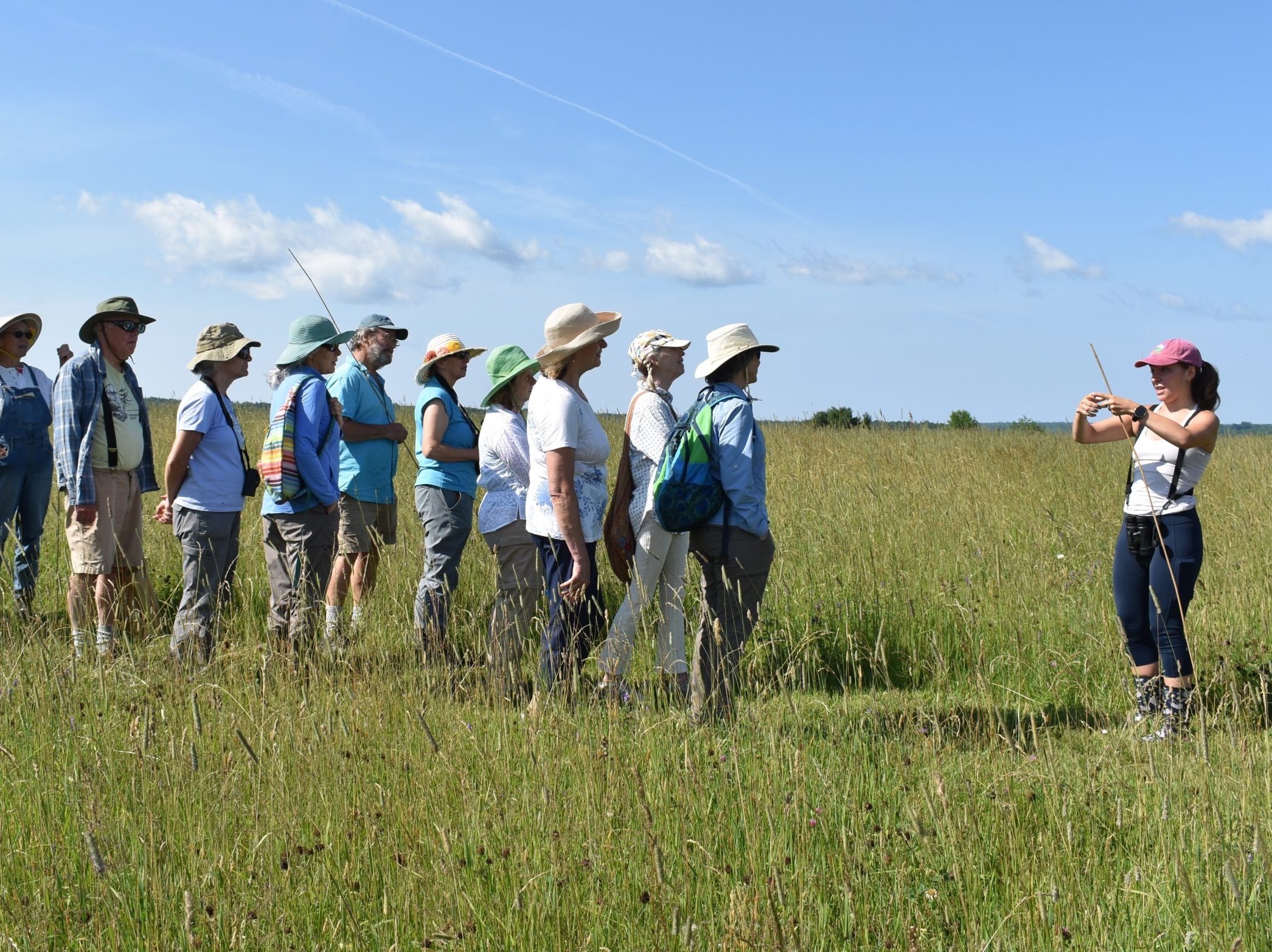
5) Create demonstration sites for grassland habitat improvement. Many grasslands in Maine have not been actively managed for forage production in recent years. With later, more sporadic mowing and lack of fertility management, these grasslands have declined in productivity as well as becoming less attractive for nesting grassland birds.
6) Provide public outreach and education. Public workshops and presentations will be provided in a variety of venues.
Background
Since launching in 2016, Ag Allies has enjoyed steady growth and success, including the following conservation impacts in 2025:
- Improved nesting success of at least 500 pairs of Bobolinks, as well as Eastern Meadowlarks, Savannah Sparrows, American Kestrels, and other grassland species
- An estimated 1,500-2,500 Bobolink fledglings added to Maine’s breeding population
- Engaged volunteers in 175 hours of work supporting field and program activities
- More than 1,000 acres previously enrolled in the program managed for grassland birds without further need for financial assistance
Support from Cornell Lab’s Land Trust Bird Conservation Initiative
| Year | Grant Track |
|---|---|
| 2018 | $5K Small Grant |
| 2021 | $25K Small Grant |
| 2022 | $25K Small Grant |
| 2023 | $50K Conservation Collaborative Grant |
| 2025 | $50K Conservation Collaborative Grant |