Assessing and Evaluating Management
eBird can serve as a tool for land trusts to assess pre- and post-habitat management activities by monitoring which birds are present or not present at a site, and to evaluate success of your management or restoration.
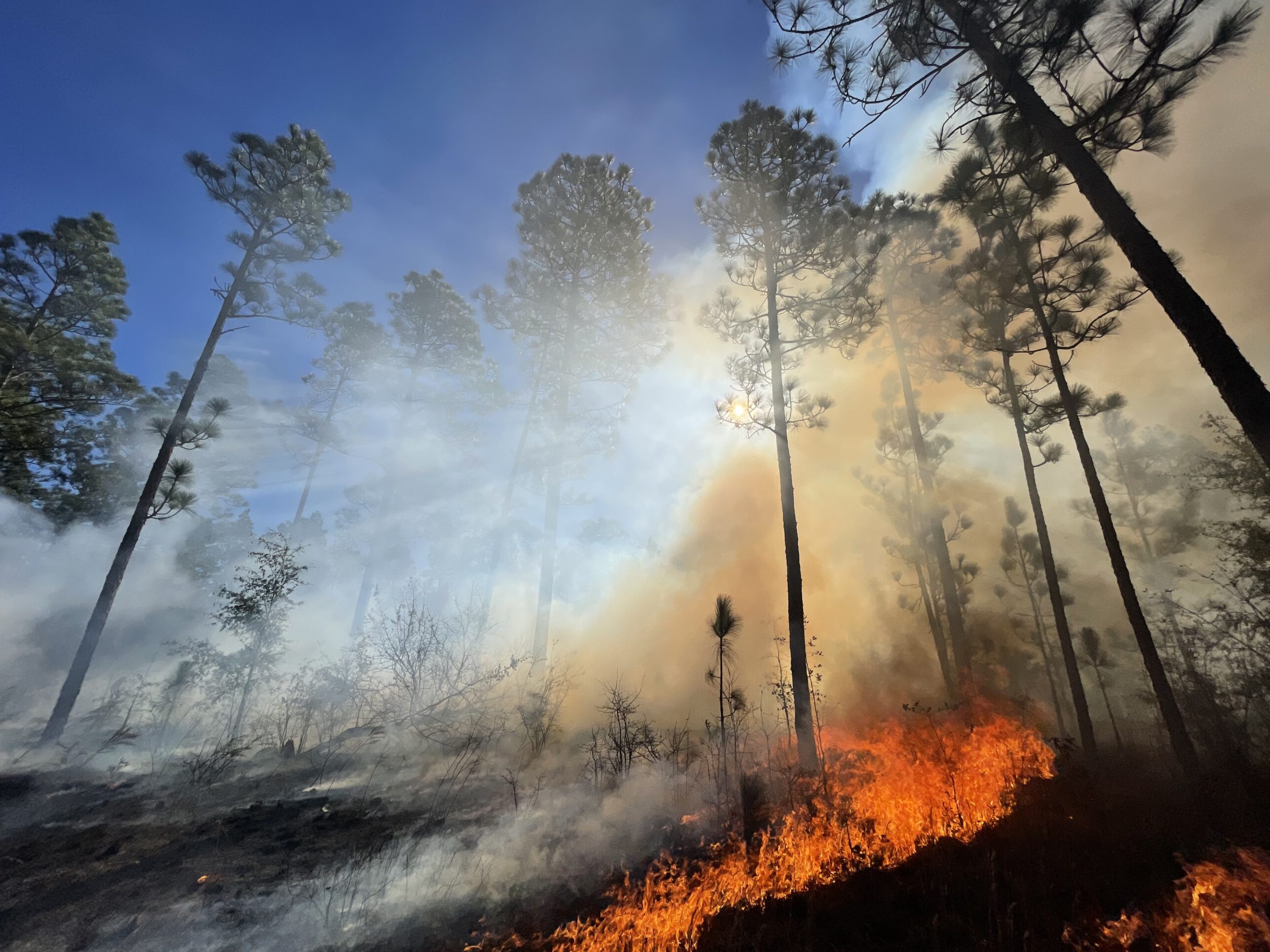
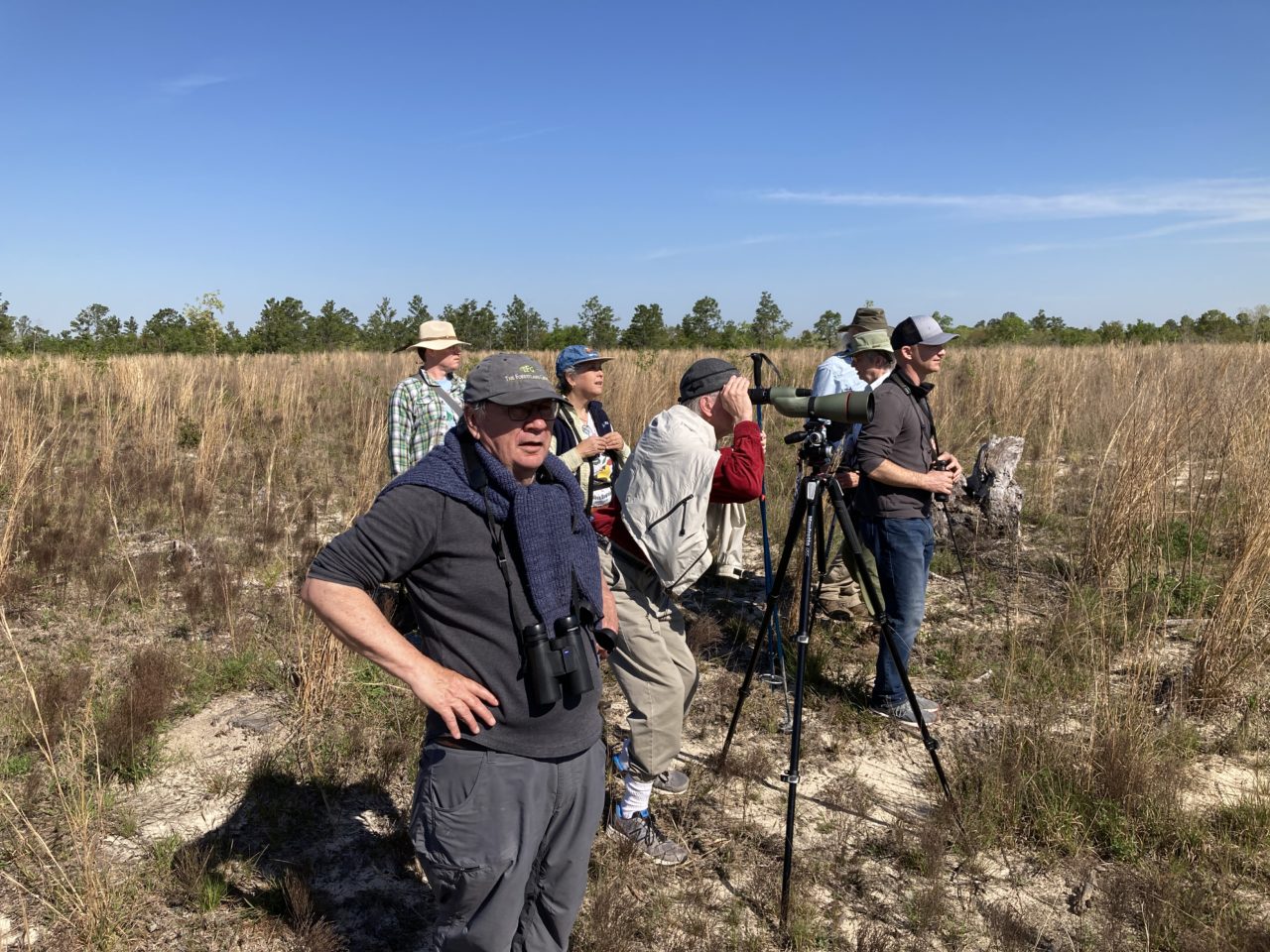
As a partner in the Land Trust Bird Conservation Initiative’s Southeastern Burning for Birds Collaborative, Aiken Land Conservancy (ALC) facilitates several prescribed burns each year in longleaf pine habitats on conserved lands in South Carolina. After burns, ALC visits project sites to monitor target bird species, using eBird to document observations—just one of the many ways the land trust uses leverages eBird in its conservation work. “We use eBird on a routine basis when working thorough land protection projects,” says Peter Kleinhenz, Executive Director of ALC. Kleinhenz and his staff use eBird to support a wide range of land trust activities, from the prioritization of properties for conservation easements to measuring the impacts of habitat management activities on conserved lands. Read more about how ALC uses eBird to support its conservation and stewardship work.
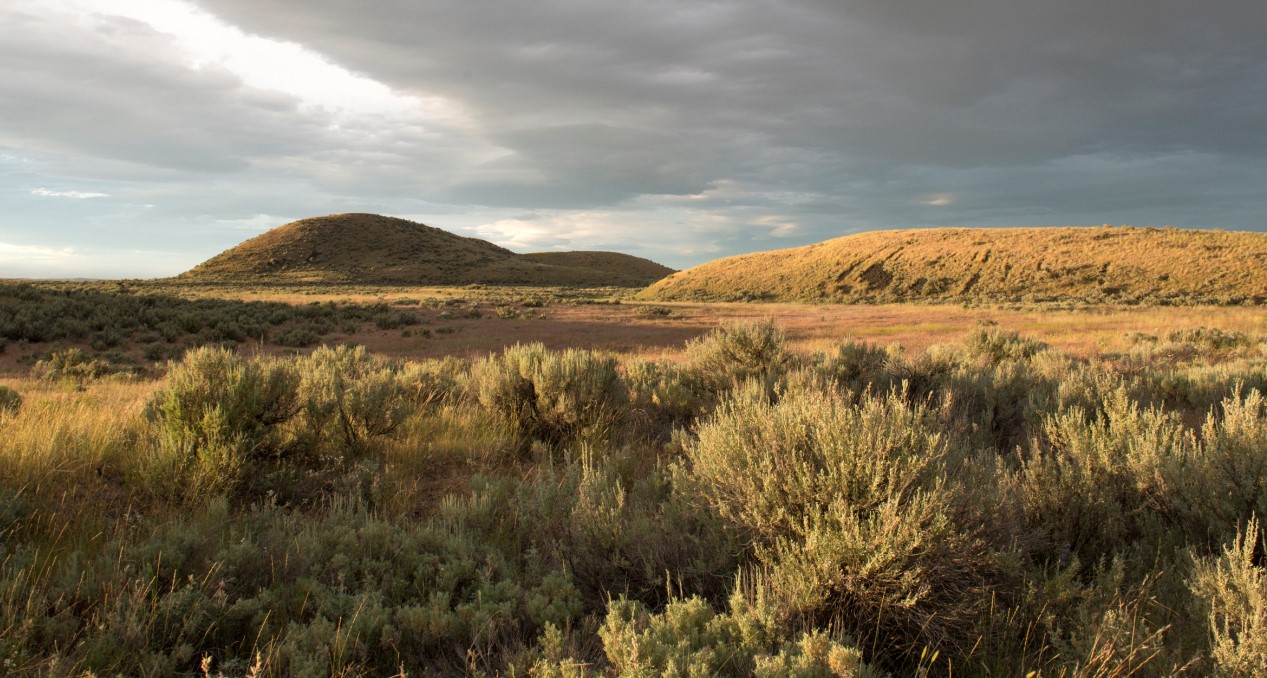
After a 2017 wildfire swept through Chelan-Douglas Land Trust (CDLT) reserves and reduced the dense, shrubby thickets of elderberry, wild rose, and snowberry that nesting neotropical migratory songbirds rely on to stubble, CDLT decided eBird would be the best tool to monitor forest health improvement from post-fire management activities. To do this, CDLT invited volunteers to join staff on monthly eBird project surveys at two reserves affected by the fire. CDLT has a Community Science page where volunteers can find all needed field forms and maps. Using funds from our 2022 Small Grant Program, CDLT is expanding volunteer eBird monitoring to another property affected by a wildfire that decimated Sage Grouse habitat. Read more about CDLT utilizing eBird to assess post-fire management practices.
Natural Lands (NL) habitat improvement work involved a prescribed burn and other silvicultural practices such as overstory removal, shelterwood harvests, and group tree selection to create early successional habitat and a mixed-age forest for three bird species in decline: Wood Thrush, Golden-winged Warbler, and Ruffed Grouse. NL used eBird to develop a monitoring program to track the success of these management actions by assessing bird diversity and monitoring for the presence and abundance of the project’s target species. Preserve Manager Josh Saltmer says, “This grant will help us learn which silviculture methods lead to bird population increases at the preserve. We can then share that information with other land managers and conservation organizations.” Learn more about their project.

Sonoma Land Trust (SLT) is using eBird to assess woodland birds as an indicator of ecosystem health within forest treatment units on four conservation properties being managed for wildfire resiliency. Breeding season survey data is being collected and entered into eBird to help evaluate avian response to management and compare results to baseline surveys within forest treatment units to determine species richness and abundance, with a focus on special-status or indicator species. SLT is also using the eBird species profile mapping tool to determine where indicator species have been sighted in each forest treatment unit. Project findings are helping land managers monitor the health of forest ecosystems under shaded fuel break, prescribed fire, and restoration forestry management for ecological goals and wildfire resilience. As fuel reduction treatments increase and proliferate across Northern California in response to the growing threat of wildfire, there will be valuable lessons to learn from this study that can help communities manage forests and maintain healthy bird population.