Listen Up Collaborative
Collaborative Overview
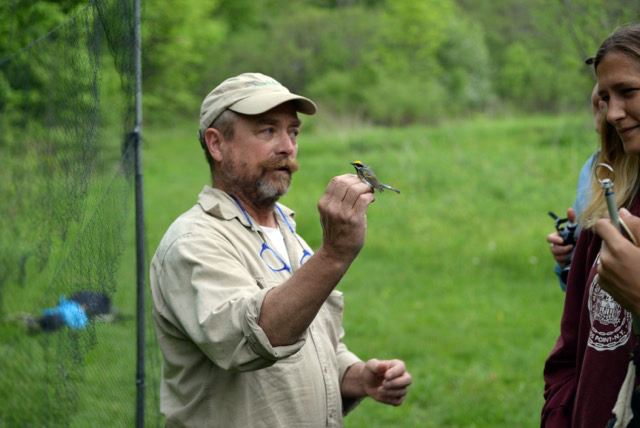
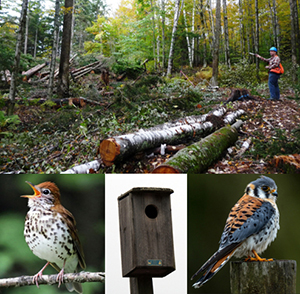
Listen Up is a program to improve the long-term survival of Western Washington forest birds by implementing state of the art habitat improvement practices, initiating acoustic monitoring of bird responses to these conservation practices with AudioMoth devices, and publicly sharing their findings and replicable protocols through outreach and communications.
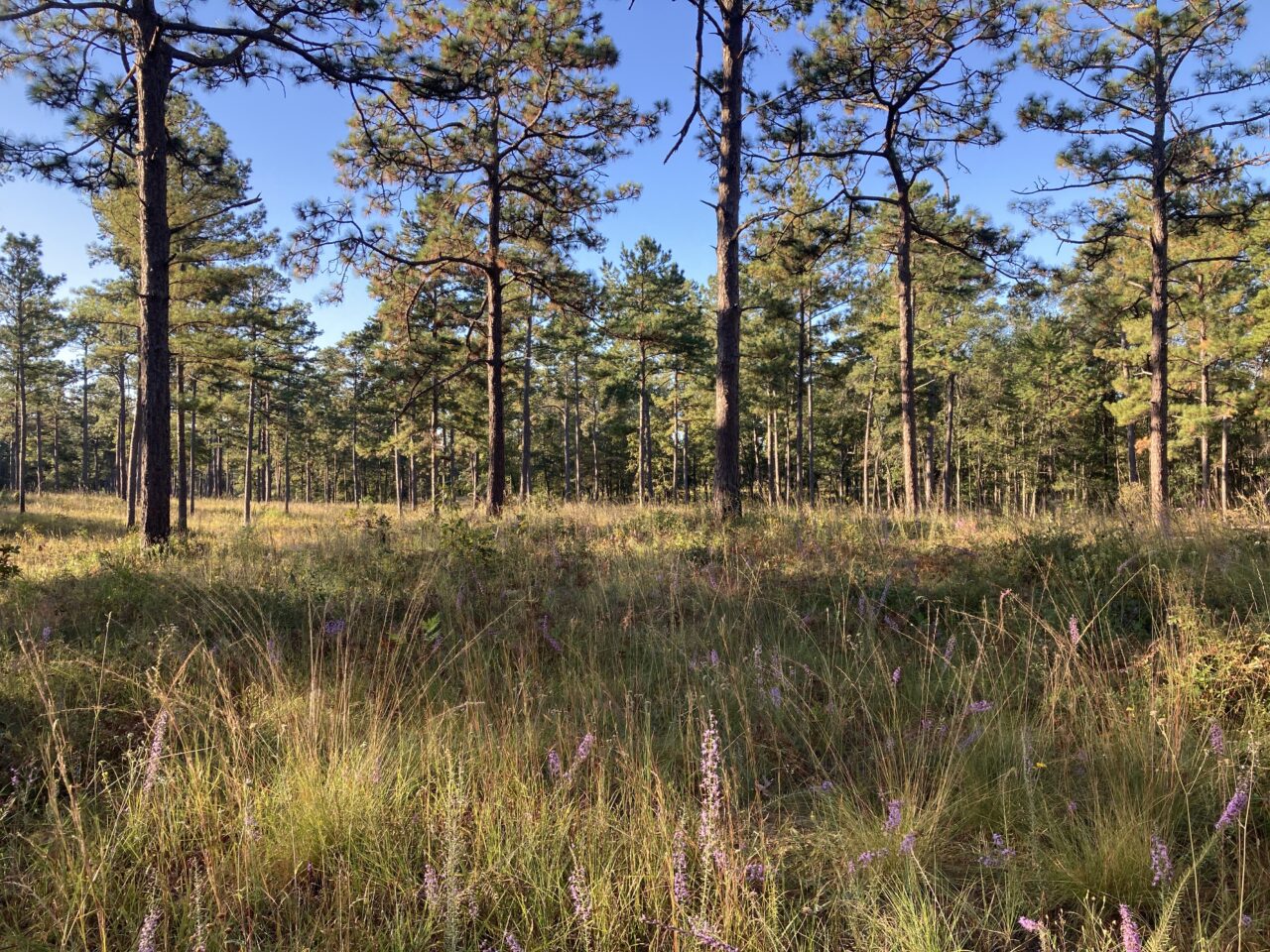
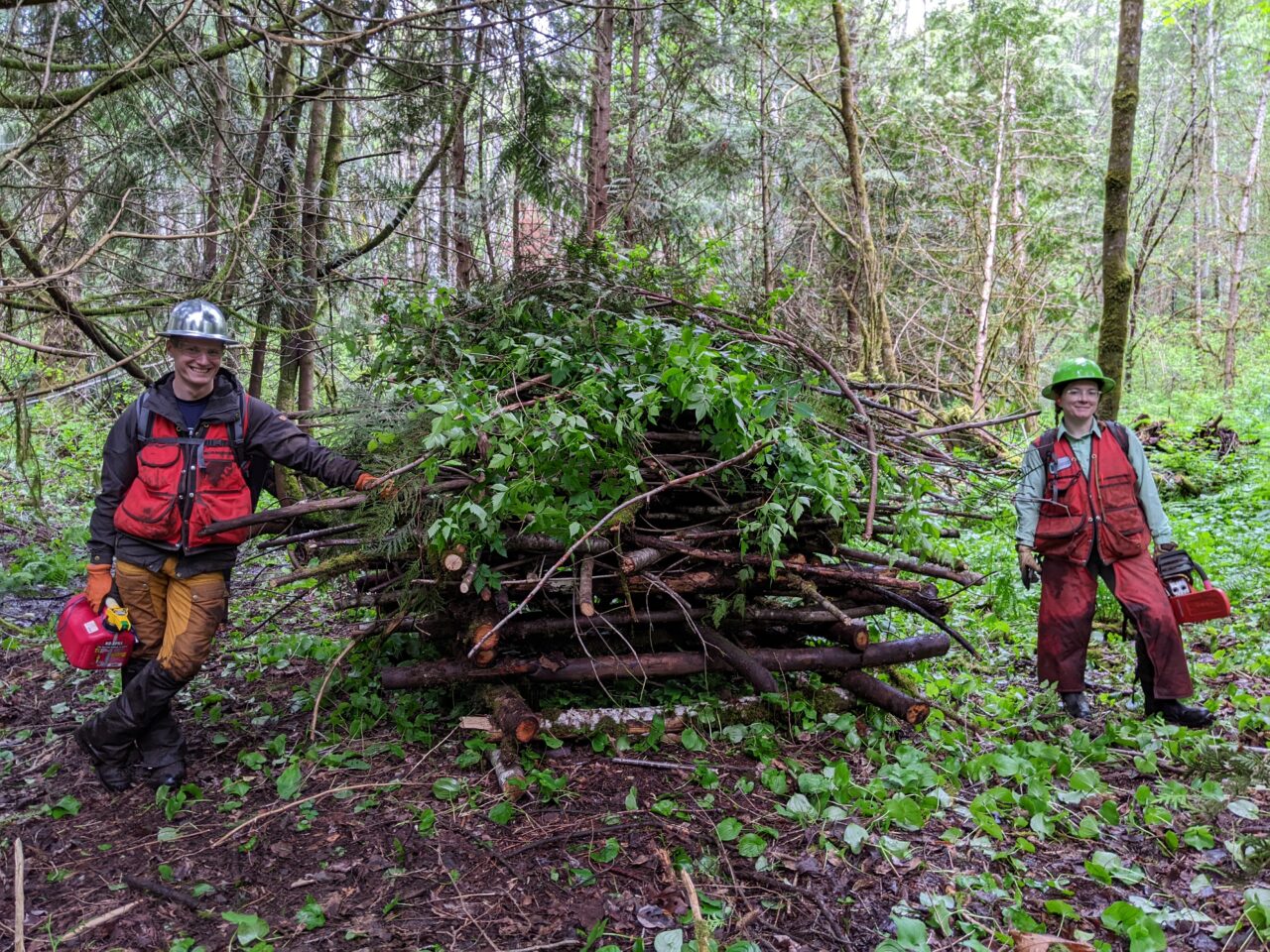
With a target list of 58 bird species—including 7 Species of Greatest Conservation Need and 13 Species of Continental Concern—Listen Up implements habitat management practices such as selective thinning, brush management, and the creation of brush piles and standing snags to enhance habitat for birds in the Pacific Northwest.
We always want to be checking to make sure that the ways we’re caring for the land are leading to the results we want—and monitoring is the way to do that.
Carrie Clendaniel, Preserve Manager at Jefferson Land Trust
Program Outcomes
- Habitat management practices on 4,533 acres across 78 permanently protected forestlands
- Acoustic monitoring on 40 conservation properties
- Collected more than 350,000 recordings from 92 study sites
- Monitored 58 species of forest birds in Pacific Northwest (entered in eBird)
- Knowledge sharing through monthly eNewsletters, volunteer events, AudioMoth and Arbimon training for new partners, and quarterly collaborative meetings
Focal Species

Brown Creeper

Chestnut-backed Chickadee


Pileated Woodpecker

Spotted Towhee

Swainson’s Thrush

Western Flycatcher

Wilson’s Warbler
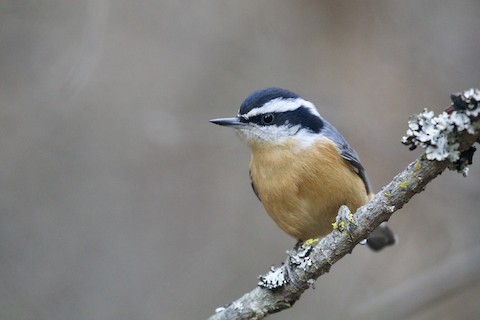
Red-breasted Nuthatch
Contacts and Resources
Stewardship Director
Great Peninsula Conservancy
(360) 373-3500 ext.104
Preserve Manager
Jefferson Land Trust
360-379-9501 x109
Resources
Partners in Conservation
| Land Trusts | Conservation & Tribal Organizations | Bird-focused Organizations |
|---|---|---|
| Great Peninsula Conservancy | Northwest Natural Resource Group | Cornell Lab |
| Jefferson Land Trust | Point No Point Treaty Council | |
| Bainbridge Island Land Trust | Jamestown S’Klallam Tribe | |
| Kitsap County Parks |



Goals
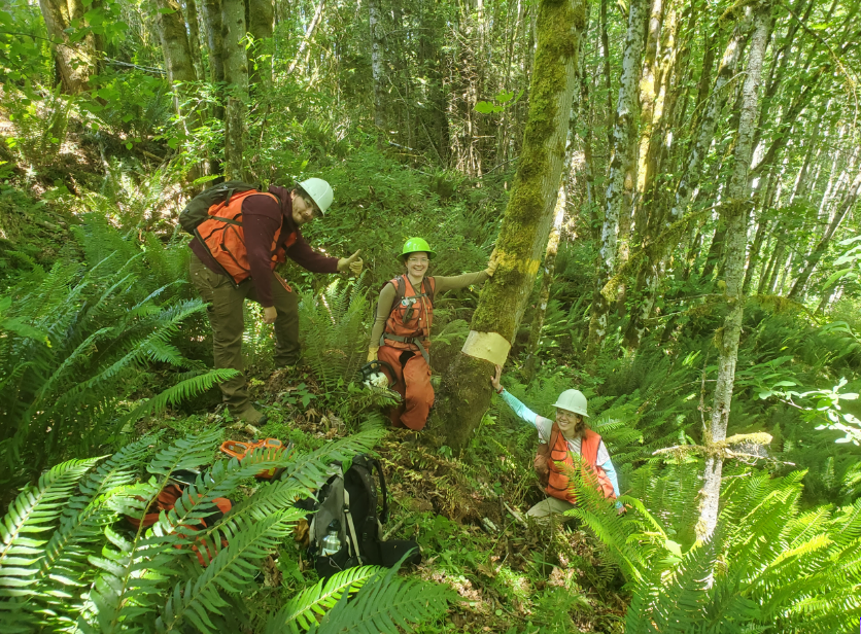
1) Implementing state-of-the-art habitat improvement practices on properties protected by land trusts
Based on previous monitoring and forest inventory data, the partners have identified preserves and forest stands most in need of forest management activities that address climate resilience and mitigate fire risk. By including more regional habitat managers in this work, the Listen Up Collaborative will pool resources and leverage funds to implement forest management practices. This work includes thinning overstocked stands and creating more habitat structures like standing snags and habitat piles, improving forest stand structure and species diversity that will support birds moving between and around this ecoregion.
2) Monitoring bird responses to conservation practices with acoustic recording units on properties protected by land trusts
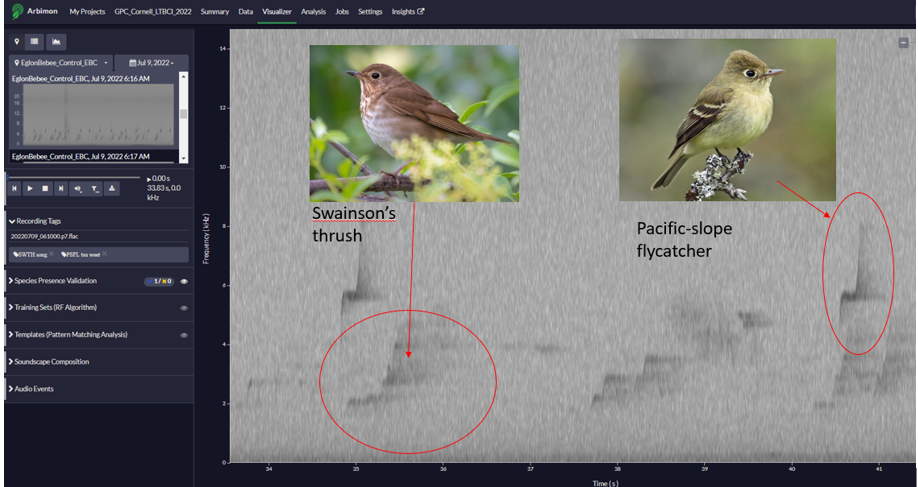
The Listen Up Collaborative identified 58 bird species (5 waterfowl/alcids, 6 owls, 5 diurnal raptors, 38 passerines, as well as California Quail, Common Nighthawk, Ruffed Grouse and Virginia Rail) that would benefit from forest management practices. Of the 58 species, seven are listed as Species of Greatest Conservation Need, 13 are listed as Species of Continental Concern, and four are identified as Common Birds in Steep Decline in the Partners in Flight’s Landbird Conservation Plan (Rosenberg et al. 2016). Using AudioMoth devices for seasonal acoustic monitoring, the partners will determine how well their habitat improvement work is benefiting indicator bird species and adjust to increase effectiveness.
As of 2025, the Collaborative has collected more than 350,000 recordings from 92 study sites. Potential expansion opportunities for this goal include identifying and developing partnerships with local schools and universities and expanding volunteer community science efforts.
3) Publicly sharing findings and replicable protocols through outreach and communications
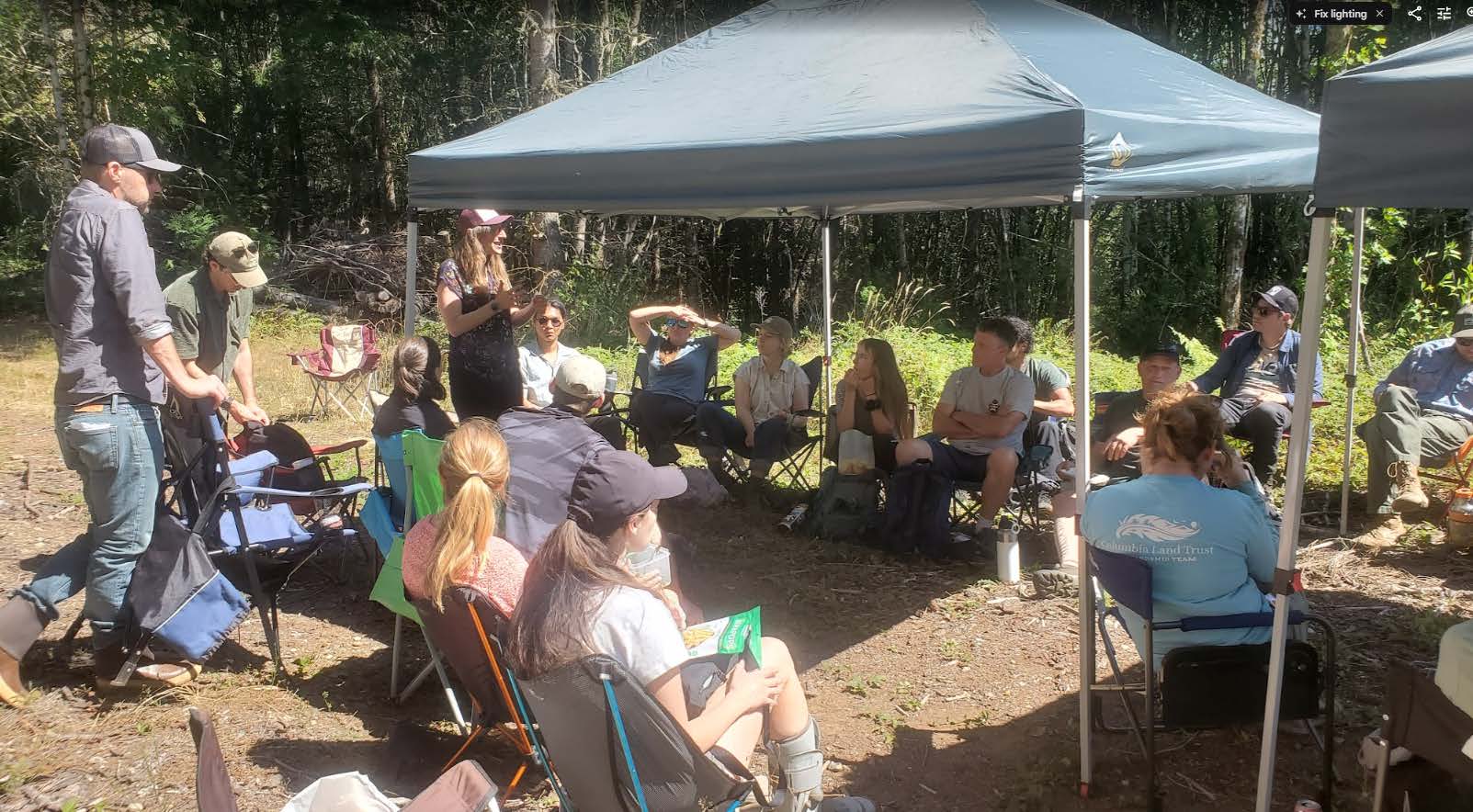
Moving forward, more regional partners will be included in this work to expand and share the knowledge gained by Great Peninsula Conservancy and Jefferson Land Trust. Presentations will be given at regional and/or national land trust gatherings, on partners’ websites, and through other communications channels.
Potential expansion partners could include educational and research institutions, land trust and conservation organizations, regional land protection and management groups, and others interested in contributing to the Collaborative’s efforts to conserve and enhance habitat for birds in Western Washington.
Background
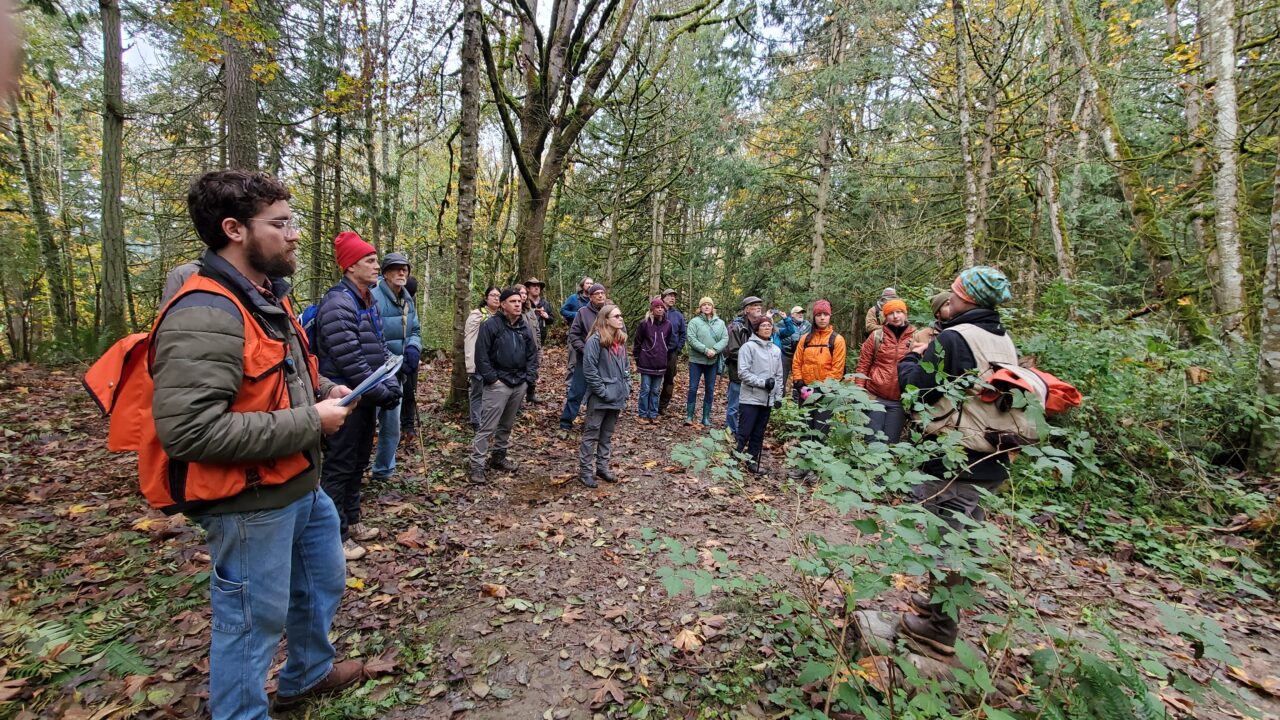
The Listen Up Collaborative is an expansion of a successful partnership of Great Peninsula Conservancy (GPC) and Jefferson Land Trust (JLT) designed to improve the long-term survival of Western Washington forest bird species. The partnership began with a small grant from the Cornell Land Trust Bird Conservation Initiative (LTBCI) in 2022. Continued support was provided in 2023 from LTBCI, and the partners became a five-member Conservation Collaborative in 2024.
A program to manage for fire and climate resilience in the Northwest, share acoustic bird monitoring knowledge, and enhance habitat for bird conservation in Western Washington, the Listen Up Collaborative worked on developing tools and protocols for the partnership in 2022 and 2023.
As identified in the State of the Birds report, scaling up conservation efforts, habitat restoration and participatory volunteer activities through this expansion are critical components for giving birds their best chance for long-term survival in the Pacific Northwest and building a future of involved volunteers and bird enthusiasts.
Support from Cornell Lab’s Land Trust Bird Conservation Initiative
| Year | Grant Track |
|---|---|
| 2022 | $25K Small Grant |
| 2023 | $25K Small Grant |
| 2024 | $25K Small Grant |
| 2025 | $50K Conservation Collaborative Grant |