
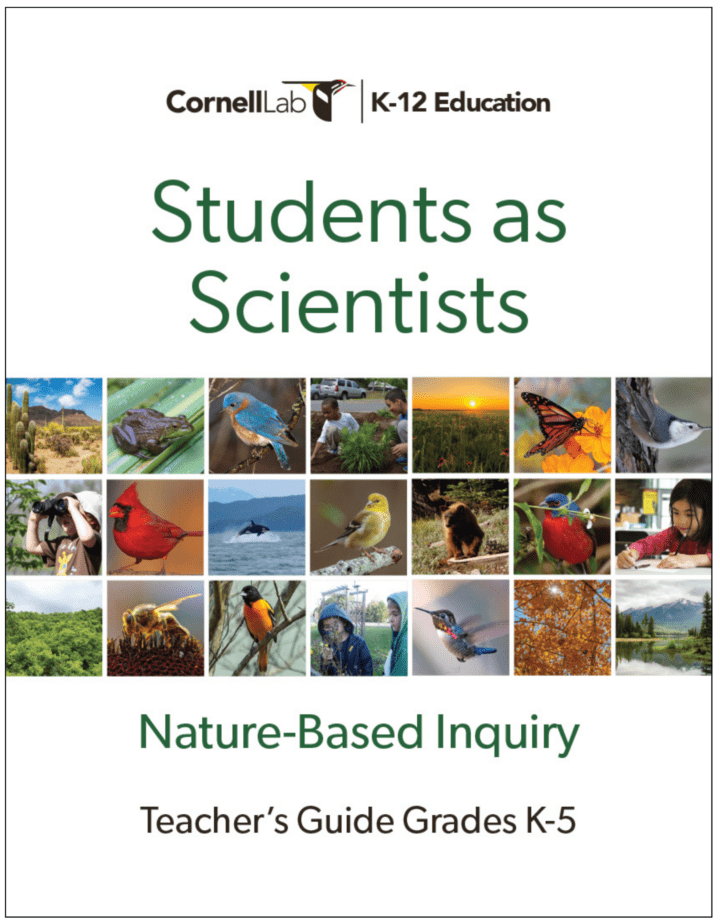
Students as Scientists: Nature-Based Inquiry
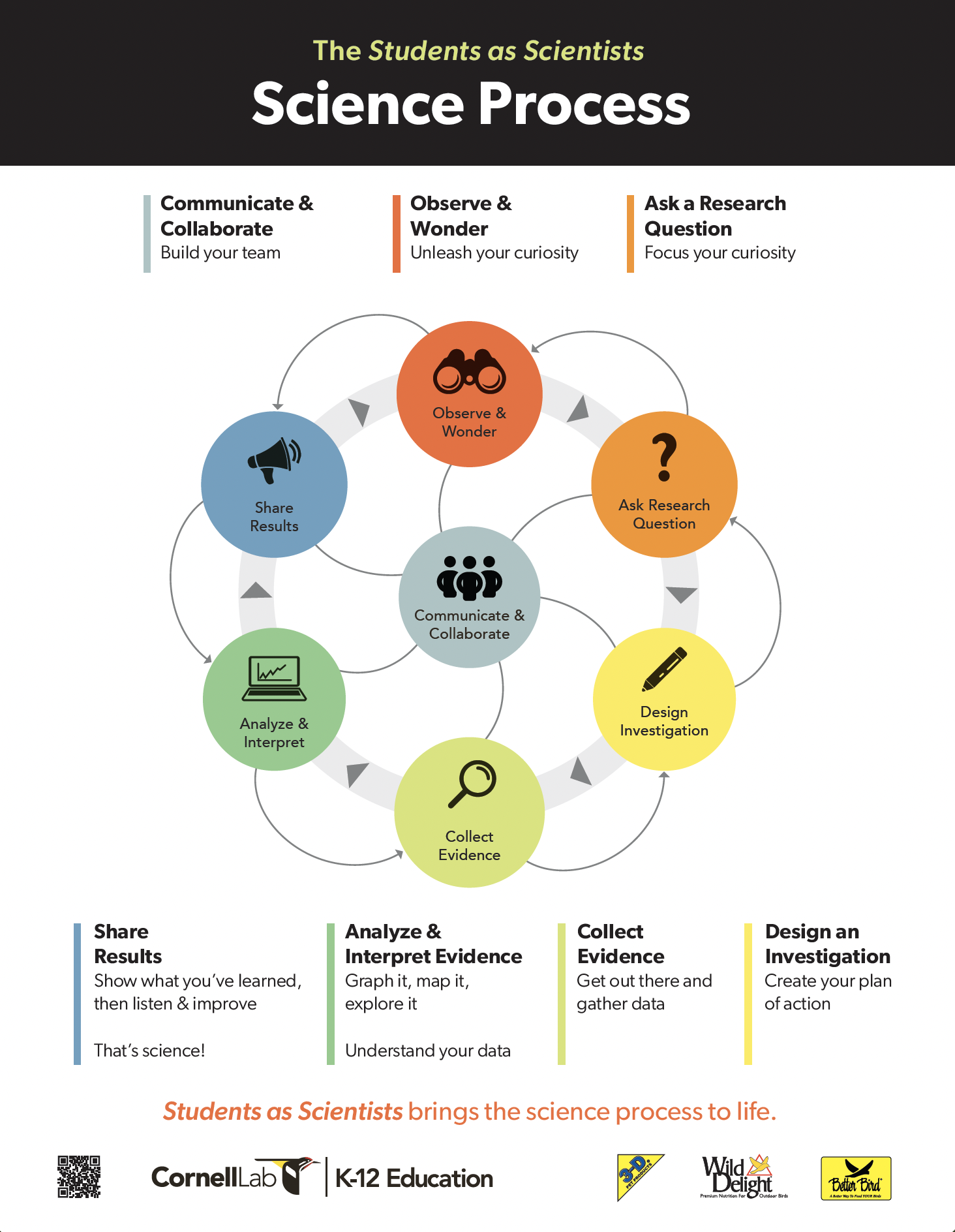
Are you looking for a way to make science exciting, meaningful, and hands-on for your students? Give them the tools to explore the natural world, ask their own questions, and design their own investigations with our Students as Scientists: Nature-Based Inquiry unit. This free, ready-to-use resource is designed to guide students through authentic science investigations. From asking questions to designing and conducting their own studies, this unit empowers students to think, investigate, and discover as they become scientists themselves.
What is Included?
- Six (6) inquiry-based lessons tailored to your grade band (K-5 or 6-12)
- Slides, student handouts, poster, and extra resources to help you guide your students
- A seamless way to integrate science standards with student curiosity
Whether you’re new to nature-based inquiry or an experienced educator, this unit will inspire you and your students to explore science in exciting new ways.
- K-5th Grade Teacher’s Guide – download the PDF for full access to all lessons and activities
- “Students as Scientists” teaching slides – includes all slides in one Google Slide file; teaching notes included; to edit or share with your class please make a copy or download.
- Project Notebook – a Google Doc that you can download or make a copy and then edit and provide digital access to students
- Book List – a list of pictures books that can be used to supplement the unit
- Spark Guides – quick and easy activities to spark student curiosity
- “Culturally Responsive-Sustaining Education Framework” by the New York State Department of Education
- “Culturally Responsive Teaching: Theory, Research, and Practice” – a book by Geneva Gay
- Project Biodiversify – provides many different resources to incorporate a diversity of people into your curricula
- 500 Women Scientists – a resource for educators seeking the expertise of women and gender diverse STEMM professionals
- Skype a Scientist – a database of thousands of scientists who will connect with your class so students can get to know a professional scientist
Lesson 1: Resources
- Teaching slides – used in Activity 3 – found in the Unit Wide Resources section above
- Project Notebook – used in Activity 1 – you will use the “Draw a Scientist” page in this lesson
- “Scientist Biography Cards” – used in Activity 2 – a digital copy of the cards, these cards are also included in the Resources Pages of the Teacher Guide
- “Vultures: Sight or Smell?” comic – used in Activity 3 – a digital copy of the comic, the comic is included in the Resource Pages of the Teachers Guide and in the teaching slides
Extension Resources
- Meet a Real Scientist resources
- Project Biodiversify – provides many different resources to incorporate a diversity of people into your curricula
- 500 Women Scientists – a resource for educators seeking the expertise of women and gender diverse STEM professionals
- Skype a Scientist – a database of thousands of scientists who will connect with your class so students can get to know a professional scientist
Lesson 2: Resources
- Teaching slides – used in Activity 1 and 4 – found in the Unit Wide Resources section above
- Phenomenon Resources – used in Activity 2 and 4
- Short Videos and GIFs of Phenomena Curated by NGSS
- California Quail Foraging
- Galapagos Tortoise Getting A Drink Of Water
- Peregrine Falcon Preening
- Giraffe, Elephants, and Zebras At A Watering Hole
- Polar Bear Taking A Stroll
- American Toad Calling
- Mountain Goat Drinking and Grazing
- Greater Blue-Ringed Octopus On The Move
- Bat Hanging Upside Down Before Flying Away
- Wallaby Running Across A Yard
- Cornell Live-Streaming Bird Cams – a collection of feeder and nest cams hosted by the Cornell Lab of Ornithology
- Explore Live Cams – a collection of live-streaming wildlife cams from around the world
- Project Notebook – used in Activity 3 – you will use the “See the Big Picture” and “Take a Tiny Hike” pages in this lesson
Lesson 2: Extension Resources
- Nature Journaling Over Time
- Teacher Resources for Nature Journaling – John Muir Laws provides free resources and whole books dedicated to teaching nature journaling
- Spark Student Curiosity through Outdoor Exploration – a spark guide to engage students in nature journaling – COMING SOON!
Lesson 3: Resources
- Teaching slides – used in Activity 2 – found in the Unit Wide Resources section above
- Project Notebook – used in Activity 3 and 4 – you will use the “I Wonder List” and “Investigation Question” pages in this lesson
Lesson 3: Optional Resources
- “Tools of Science: Testable Question” video – a video to help you, the teacher, understand refining science questions. It was produced for Rutgers University, Department of Marine and Coastal Sciences and walks through the process of scientists refining their original question into a testable question.
Lesson 4: Resources
- “Homemade Vs. Store Bought Suet: Which Will Win?” article – used in Activity 1 – a digital copy of article, this article is also included in the Resource Pages of the Teacher’s Guide
- Project Notebook – used in Activity 1, 4 and 6 – you will use the “Scientific Report Components and Report Checklist” table, “Hypothesis”, “Team Project Plan”, and “Investigation Plan” pages in this lesson
- “The Many Ways to Share My Investigation” resource – a list of final project formats that can be edited to include only those final projects you want your students to complete
- Teaching slides – used in Activity 3 and 4 – found in the Unit Wide Resources section above
- “Will a Fake Cat Scare Birds?” article – used as an assessment – a digital copy of article, this article is also included in the Resource Pages of the Teacher’s Guide
Lesson 4: Optional Resources
- Resources for Teaching about Reliable Sources
- Evaluating Reliable Sources lesson plan – This lesson addresses the importance of locating and verifying reliable sources when working with online information.
- KQED for Educators – free media literacy teaching and learning hub for educators and students. You’ll find professional development courses, classroom resources and unique tools that allow students to practice critical thinking, media making and civil discourse.
- Data Literacy Resources
- Dataspire – many different resources for teaching your students about data
Lesson 4: Extension Resources
- Use an Ethogram to Practice Collecting Data
- “Learn About Ethograms” – a video and lesson plan for using ethograms
- “Explore a Tadpole” – an example of a an ethogram datasheet used to collect data about tadpole observations
Lesson 5: Resources
- Teaching slides – used in Activity 1 – found in the Unit Wide Resources section above
Lesson 5: Optional Resources
- Data Analysis Programs
- Graphmaster – online graphing program that allows students to create four different graphs on one page by entering data
- MathIsFun – online graphing program
- Tuva, Jr – a free online program to explore, visualize, and analyze data
- ArcGIS for Schools Bundle – free online mapping software
- Data Literacy Resources
- Dataspire – many different resources for teaching your students about data
- Partners In Data Literacy – many different resources for teaching students about data
- “Not Another Bar Chart!” video – a recorded webinar to help guide your students to using more than just a bar chart to explore data
Lesson 5: Extension Resources
- Play Data Games
- Data Games – Playing computer games creates a lot of data and in Data Games, students learn to analyze data that are saved, learning math and data skills to help them win. Best for upper elementary students.
- Charty Party – a game of absurdly funny charts where your students learn about graphs without even realizing it
Lesson 6: Resources
- Teaching slides – used in Activity 1 – found in the Unit Wide Resources section above
- “The Many Ways to Share My Investigation” resource – used in Activity 2 – a list of final project formats that can be edited to include only those final projects you want your students to complete
- Project Notebook – used in Activity 2 and 4 – a Google Doc that can be edited to meet your needs and shared digitally with students. You will use the “Scientific Report Components and Report Checklist” and the “Peer Review Checklist” pages for this lesson.
Opportunities for Students to Share Their Investigation
- Science Outside – an online platform where both professional scientists and citizen scientists can share stories and experiences from science done outdoors
- Science Fairs – find a science fair near you to submit your investigation
- Celebrating Art – a free art contest where individual students or whole classes can enter
- The Art of Conservation – a free contest that focuses on fish and birds
- Schooled by Kids: Presentation Skills, Part 1 – a video to help students learn how to give presentations
Lesson 6: Optional Resources
- Data Literacy Resources
- Dataspire – many different resources for teaching your students about data
- Peer Review videos – optional for Activity 3
- “How To Give A Good Peer Review” – video of young students telling how to give good peer review
- “1st Grade Peer Feedback on Informational Writing at PS65” – a video demonstrating first graders giving feedback
- “Austin’s Butterfly: Models, Critique, and Descriptive Feedback” – video demonstrating how to help students go through multiple drafts toward a high-quality final product
- Sample Final Projects
- 6th-12th Grade Teacher’s Guide – download the PDF for full access to all lessons and activities
- Students as Scientists teaching slides – includes all slides in one Google Slide file; teaching notes are included; to edit or share with your class please make a copy or download
- Project Notebook – a Google Doc that you can download or make a copy and then edit and provide digital access to students
- Spark Guides – quick and easy activities to spark student curiosity
- “Culturally Responsive-Sustaining Education Framework” by the New York State Department of Education
- Culturally Responsive Teaching: Theory, Research, and Practice – a book by Geneva Gay
- Project Biodiversify – provides many different resources to incorporate a diversity of people into your curricula
- 500 Women Scientists – a resource for educators seeking the expertise of women and gender diverse STEMM professionals
- Skype a Scientist – a database of thousands of scientists who will connect with your class so students can get to know a professional scientist
Lesson 1: Resources
- Teaching slides – used in Activity 1, 2, and 3 – found in the Unit Wide Resources section above
- “Meet a Scientist” reports – used in Activity 1 – a digital copy of the reports, these reports are also included in the Resources Pages of the Teacher Guide
- Project Notebook – used in Activity 1 and 3 – you will use the “Meet a Scientist” and “#ScienceFails” pages in this lesson
- “Vultures: SIGHT or SMELL?” article – used in Activity 2 – a digital copy of article, this article is also included in the Resource Pages of the Teacher Guide
Lesson 1: Optional Resources
- “Vultures: Sight or Smell?” comic – optional for Activity 2 – a digital copy of the optional comic that would take the place of the “Vultures: SIGHT or SMELL?” article, comic is included in the Resource Pages of the Teachers Guide
Lesson 1: Extension Resources
- Meet a Real Scientist resources
- Project Biodiversify – provides many different resources to incorporate a diversity of people into your curricula
- 500 Women Scientists – a resource for educators seeking the expertise of women and gender diverse STEMM professionals
- Skype a Scientist – a database of thousands of scientists who will connect with your class so students can get to know a professional scientist
Lesson 2: Resources
- Teaching slides – used in Activity 1 – found in the Unit Wide Resources section above
- Project Notebook – used in Activity 2, 3, and 4 – you will use the “Class Observations,” “See the Big Picture,” “Take a Tiny Hike,” and “Observation vs. Inference” pages in this lesson
- Phenomenon Resources – used in Activity 2 and 4
- Short Videos and GIFs of Phenomena Curated By NGSS – a collection of short videos and GIFs
- Crow Uses a Plastic Lid to Sled Down Roof Over and Over Again
- California Quail Foraging
- Galapagos Tortoise Getting A Drink Of Water
- Peregrine Falcon Preening
- Giraffe, Elephants, and Zebras At A Watering Hole
- Polar Bear Taking A Stroll
- American Toad Calling
- Mountain Goat Drinking and Grazing
- Greater Blue-Ringed Octopus On The Move
- Bat Hanging Upside Down Before Flying Away
- Wallaby Running Across A Yard
- Cornell Live Streaming Bird Cams – a collection of feeder and nest cams hosted by the Cornell Lab of Ornithology
- Explore Live Cams – a collection of live-streaming wildlife cams from around the world
Lesson 2: Extension Resources
- Nature Journaling Over Time
- Teacher Resources for Nature Journaling – John Muir Laws provides free resources and whole books dedicated to teaching nature journaling
- Spark Student Curiosity through Outdoor Exploration – a spark guide to engage students in nature journaling – COMING SOON!
Lesson 3: Resources
- Teaching slides -used in Activity 2 and 4 – available in the Unit Wide Resources section above
- Project Notebook – used in Activity 3 and 5 – you will use the “I Wonder List” and “Testable Question” pages in this lesson
- “Tools of Science: Testable Question” video – used in Activity 4 – a video produced for Rutgers University, Department of Marine and Coastal Sciences that guides students through refining their original question into a testable question. Video is also embedded in the teaching slides.
Lesson 4: Resources
- “The Many Ways to Share My Investigation” resource – a list of final project formats that can be edited to include only those final projects you want your students to complete
- “The Effect of Temperature on Chickadees” article – used in Activity 1 – a digital copy of article, this article is also included in the Resource Pages of the Teacher Guide
- Project Notebook – used in Activity 2, 3, and 7 – an editable Google Doc that can be edited to meet your needs and shared digitally with students. Students will be exploring the rest of this resource in Activity 2 and completing “Practicing Background Research,” “My Investigation: Background Research,” “My Investigation: Hypothesis,” “My Investigation: Variables,” “My Investigation: Location and Materials,” and “My Investigation: Methods” pages.
- Teaching slides – used in Activity 4, 5, and 6 – found in the Unit Wide Resources section above
- “Will a Fake Cat Scare Birds?” article – used in Activity 6 – a digital copy of article, this article is also included in the Resource Pages of the Teacher Guide
Lesson 4: Optional Resources
- Lesson 4 Pre-assement Quiz – optional quiz to assess your students understanding of variables
- “Variables in Your Science Investigation” article – optional article
- Resources for Teaching about Reliable Sources
- Evaluating Online Sources – a lesson where students will locate and verify reliable sources of information
- KQED for Educators – free media literacy teaching and learning hub for educators and students. You’ll find professional development courses, classroom resources and unique tools that allow students to practice critical thinking, media making and civil discourse.
- Resources for using Claim, Evidence, Reasoning method
- Some Resources to teach CER (Claim Evidence Reasoning) in Science – a NSTA forum where teachers post CER resources
- CER (Claim Evidence Reasoning) in Biology – an animated video about CER by the Amoeba Sisters geared towards students
- CER – Claim Evidence Reasoning – video by Bozeman Science geared towards teachers
- Data Literacy Resources
- Dataspire – many different resources for teaching your students about data
Lesson 5: Resources
- Teaching slides – used in Activity 2 – found in the Unit Wide Resources section above
- “Choosing Graphical Displays and Analyses” resource – used in Activity 2 and 3 – an editable Google doc to help guide students in exploring data
- Project Notebook – used in Activity 3 – an editable Google Doc that can be edited to meet your needs and shared digitally with students. You will use “My Investigation: Data Analysis” and “Graphical Display Checklist” pages in this lesson.
- “What’s Wrong With This Picture?” resource, used as an assessment
- “What’s Wrong With This Picture?” answer key, assessment answer key
Lesson 5: Optional Resources
- Data Analysis Programs and Activities
- CODAP – a free online data analysis program with both pre-filled data sets and the option to create your own dataset, plus tutorials and resources for teachers
- Tuva – a free online program to explore, visualize, and analyze data
- Infogram – a online program to create infographics, charts, and maps; free and paid versions
- ArcGIS for Schools Bundle – free online mapping software
- Bird Dominance Hierarchy Data Analysis Activity – A data analysis activity that uses digital tools to organize data, extrapolation to make a prediction, and examines relationships between variables using real-world data from a bird dominance study. Created by Olivia Fredericks and available as a free resource.
- Data Literacy Resources
- Dataspire – many different resources for teaching your students about data
- The Data Visualisation Catalogue – an interactive website that explains lots of different graphs in detail and provides good visuals
- From Data to Viz – an interactive website that helps students determine which graph type to use based on their data
- Partners In Data Literacy – many different resources for teaching students about data
- “Not Another Bar Chart!” video – a recorded webinar to help guide your students to using more than just a bar chart to explore data
Lesson 5: Extension Resources
- Play Data Games
- Data Games – Playing computer games creates a lot of data and in Data Games, students learn to analyze data that are saved, learning math and data skills to help them win
- Data Puzzles – Each Data Puzzle is connected to a specific scientist who has contributed their own or related real datasets for the puzzles
- Charty Party – a game of absurdly funny charts where your students learn about graphs without even realizing it
- Explore eBird Data
- eBird website – use the Explore tab to explore this global database
- eBird Kits – classroom kits that are centered on eBird
Lesson 6: Resources
- Teaching slides – used in Activity 1 – found in the Unit Wide Resources section above
- Project Notebook – used in Activity 3 – a Google Doc that can be edited to meet your needs and shared digitally with students. You will use “Interpreting Data Practice,” “My Investigation: What’s My Story?”, and “Peer Review Checklist” pages in this lesson.
- “The Many Ways to Share My Investigation” resource– used in Activity 3 – a Google Doc that can be edited for the types of final projects you are allowing
Opportunities for Students to Share Their Investigation
- Journals for submitting research
- Journal of Emerging Investigators – a science journal and mentorship program publishing research by middle and high school scientists
- The National High School Journal of Science – peer reviewed journal to submit original research
- STEM Fellowship Journal – an open-access, peer-reviewed journal that is dedicated to supporting young researchers in high school and university
- Journal of Student Research – an academic, multidisciplinary, and faculty-reviewed journal
- Journal of High School Science – a peer-reviewed STEAM publication
- Young Scientist Journal – a publication for recognizing high school scientists and is a product of the Vanderbilt Collaborative for STEM Education and Outreach
- Curieux Academic Journal – a youth-led nonprofit founded to publish exceptional research by high school and middle school students
- Journal of Research High School – an open-access online research journal that publishes academic work prepared exclusively by high school researchers
- Other ways to share investigations
- Science Outside – an online platform where both professional scientists and citizen scientists can share stories and experiences from science done outdoors
- Science Fairs – find a science fair near you to submit your investigation
- Celebrating Art – a free art contest where individual students or whole classes can enter
- The Art of Conservation – a free contest that focuses on fish and birds
- Schooled by Kids: Presentation Skills, Part 1 – a video to help students learn how to give presentations
- Please contact us if you know of other opportunities and venues for students to share their work
Lesson 6: Optional Resources
- Data Literacy Resources
- Dataspire – many different resources for teaching your students about data
- Peer Review Resources
- “How To Give A Good Peer Review” – video of young students telling how to give good peer review
- “Giving Feedback for Peer Review” article – Purdue University provides pointers for giving constructive peer review
- “How to Give Constructive and Actionable Peer Feedback: Students to Students” video – video by university students to help other students give good peer feedback
- “Teaching Kids to Give and Receive Quality Peer Feedback” article – provides tips on how to create a culture of feedback in your classroom
- Lessons for Sensemaking
- Sample Final Projects
- “Correlation Of Socioeconomic Status and Lead Concentration In Tap Water In Missouri” – an article published in a peer-reviewed journal
- “Backyard Science [Garden Slendar Salamander]-Hip Hop Science” – video example
- “Kindergartners As Experts” – if kindergartners can share results, so can 6th-12th graders
- Student Google Slide Example – younger students share their results in a Google slideshow
- How to Make Better Graphs – The Data Ink Ratio – video on how to make graphs communicate the story you want to tell
Picture books that complement the Students as Scientists: Nature-Based Inquiry K-5th grade unit.
Scampers Thinks Like a Scientist
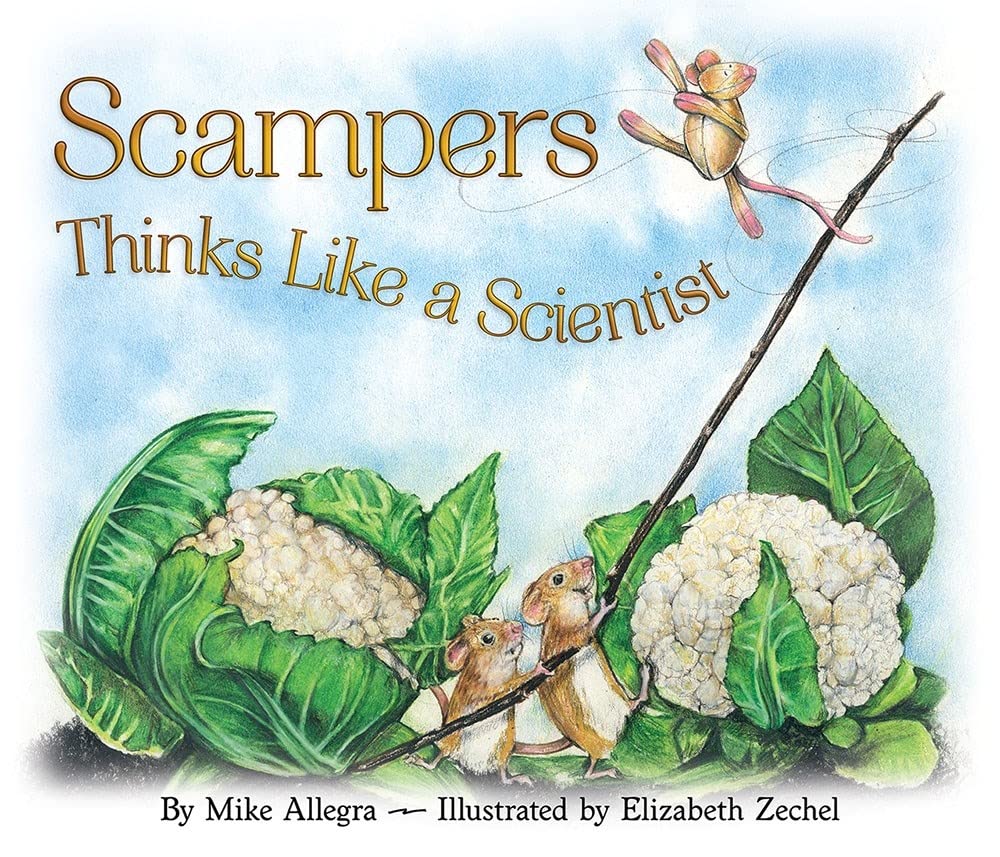
Scampers Thinks Like a Scientist gives students a chance to see the science process in action. Scampers is not an ordinary mouse and loves to ask questions, experiment, and discover answers! You can use this story throughout the curriculum as your own students go through the science process.
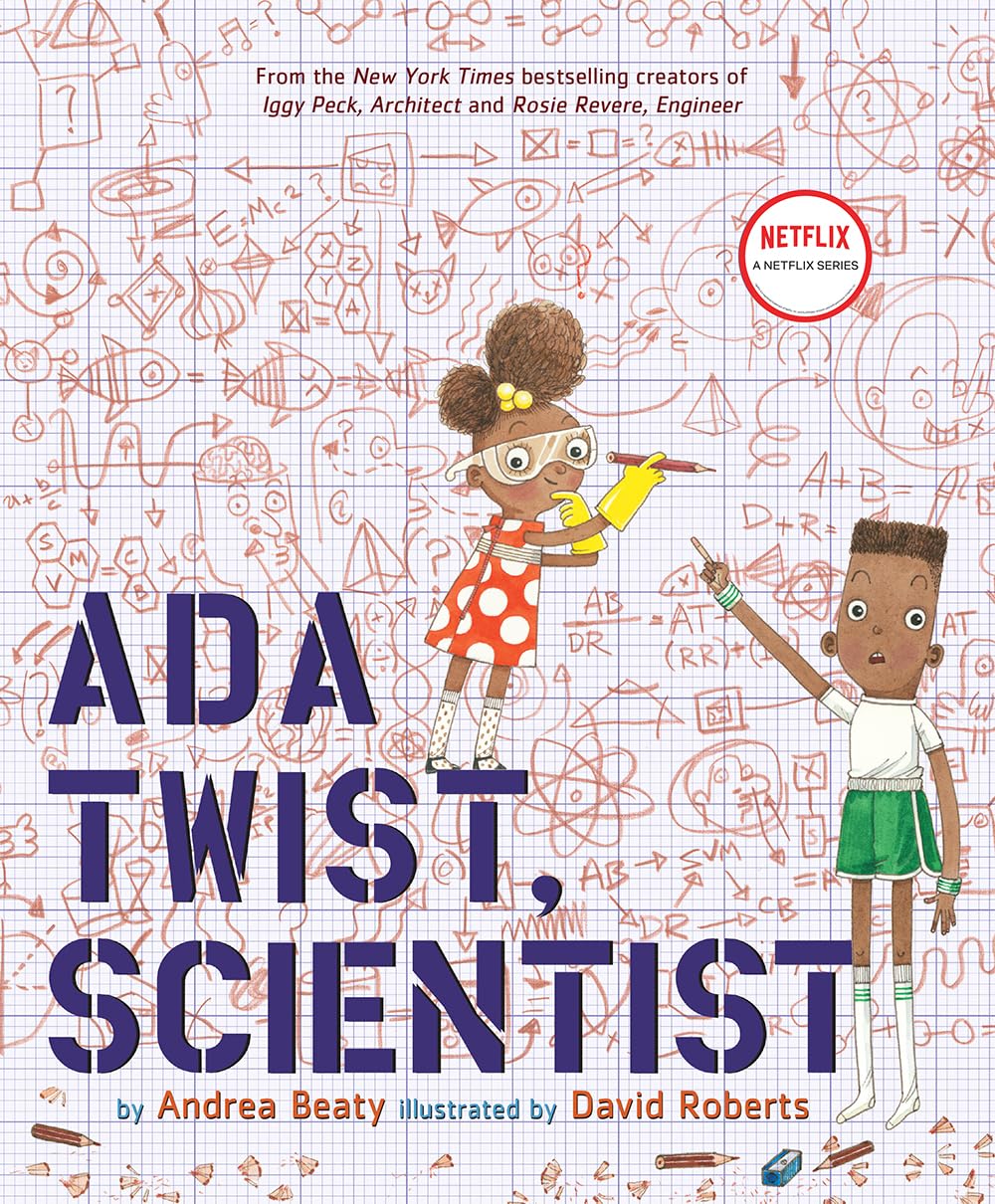
Ada is a second grader that questions everything around her. In Ada Twist, Scientist, she explores the outdoors and demonstrates the science process to answer questions about her observations. This text complements the unit by challenging students to think about what it means to be a scientist and to understand the science process.
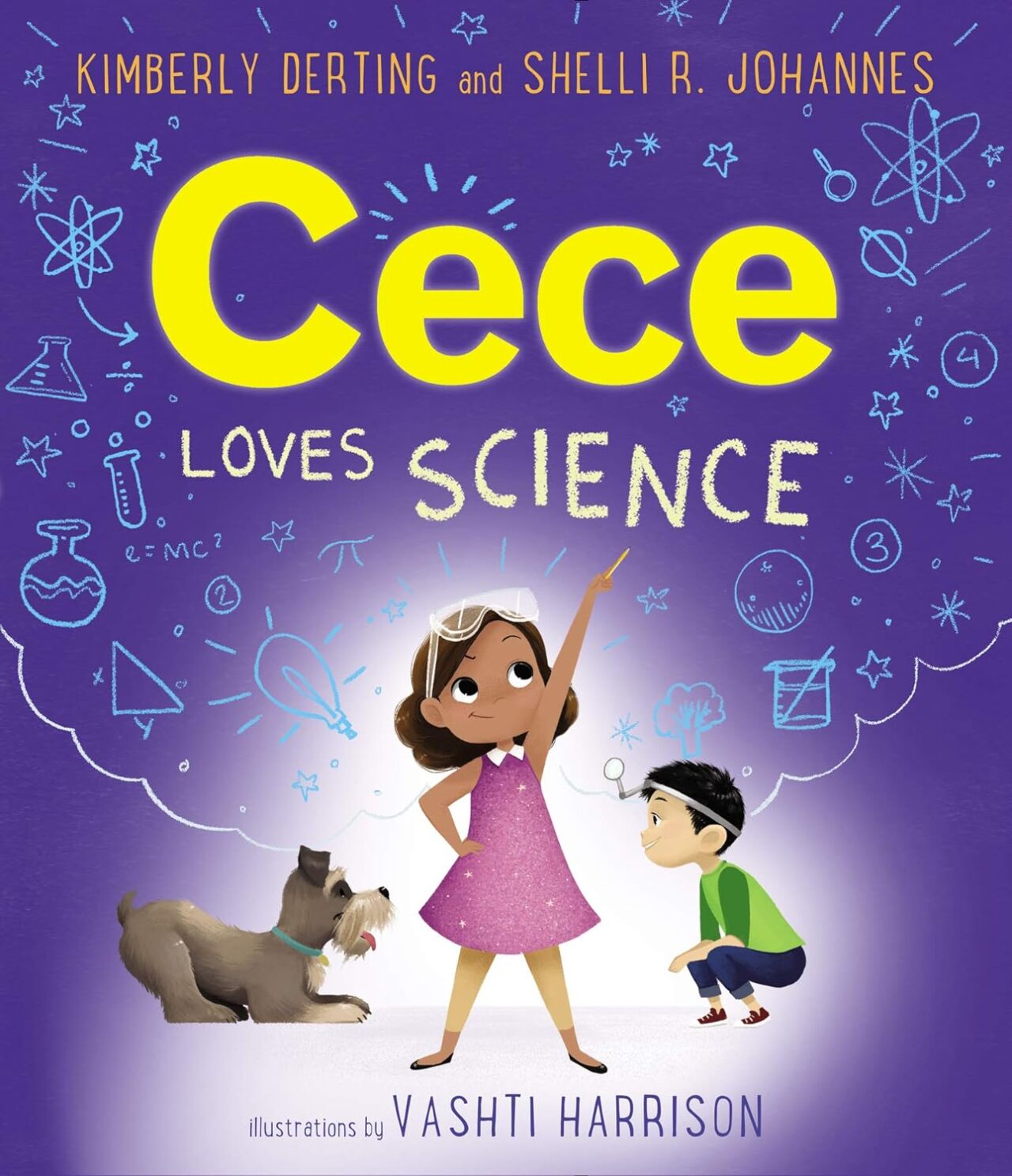
Cece Loves Science tells the story of a curious girl who conducts an experiment to see if dogs eat vegetables. This book guides young scientists through Cece’s process of investigation, data collection, and analysis. This fun book provides a perfect example of the science process for students.
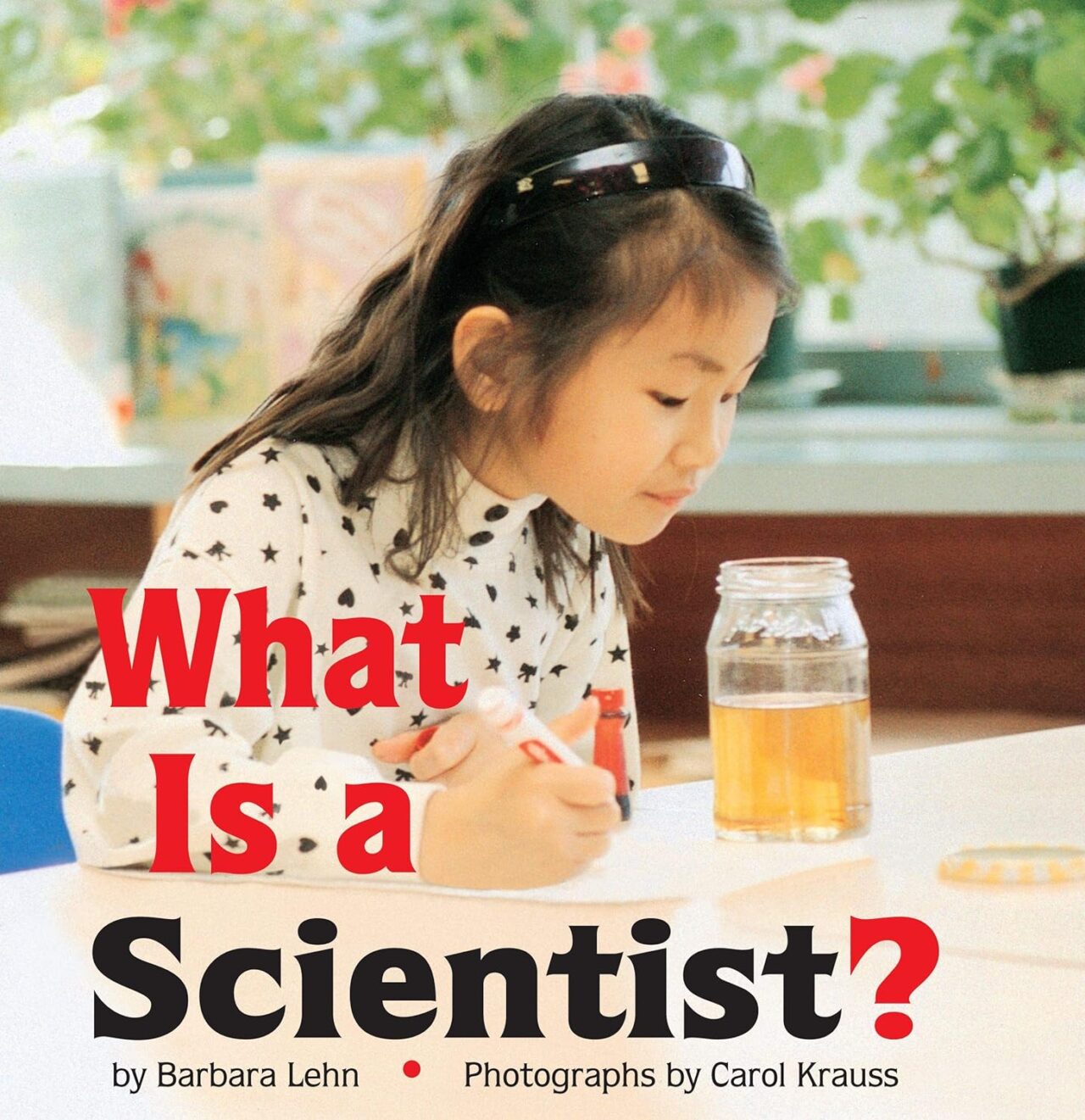
What Is a Scientist? uses simple language and colored photographs that show children completing the science process. It shows how young scientists can ask questions, make observations, take notes, conduct experiments, and more!
Born Curious: 20 Girls Who Grew Up to Be AWESOME SCIENTISTS
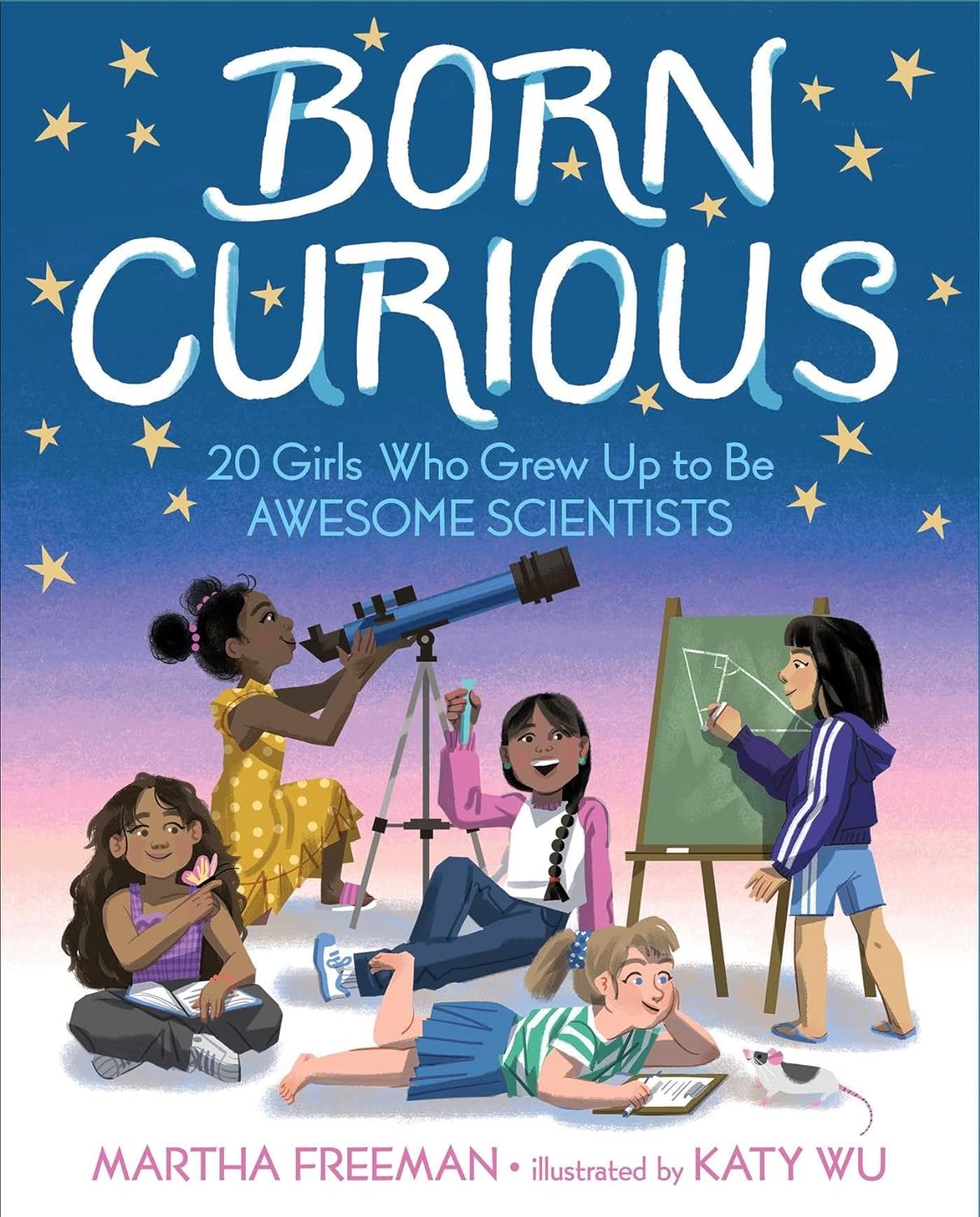
Born Curious shares the biographies of 20 groundbreaking women in science dating back to 1842. Each scientist has their own profile with their research focuses, major achievements, quotes, and fun facts. This text emphasizes the diverse backgrounds of scientists and shows how these women overcame challenges like sexism, racism, illness, and disabilities. This book is perfect for inspiring students to stay curious.
What Do Scientists Do All Day?
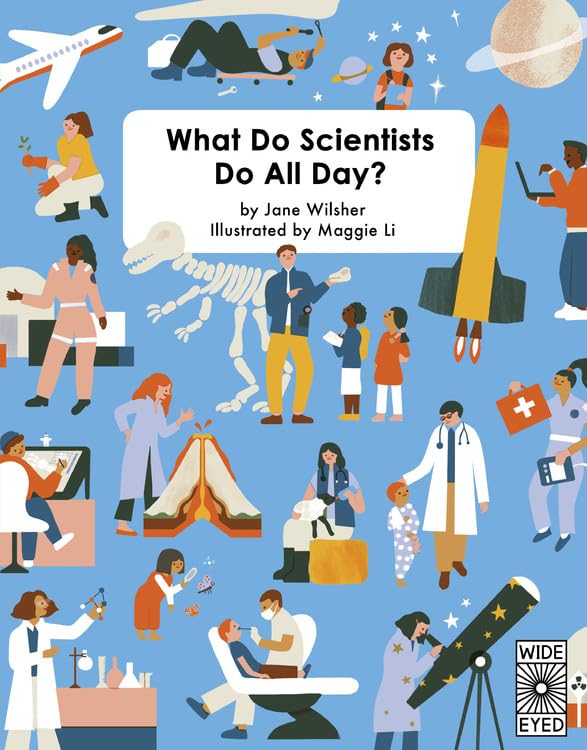
What Do Scientists Do All Day? is an illustrated book that showcases over 100 scientists. This book allows young scientists to learn about the different jobs in science and the range of work.
Whoosh!: Lonnie Johnson’s Super-Soaking Stream of Inventions
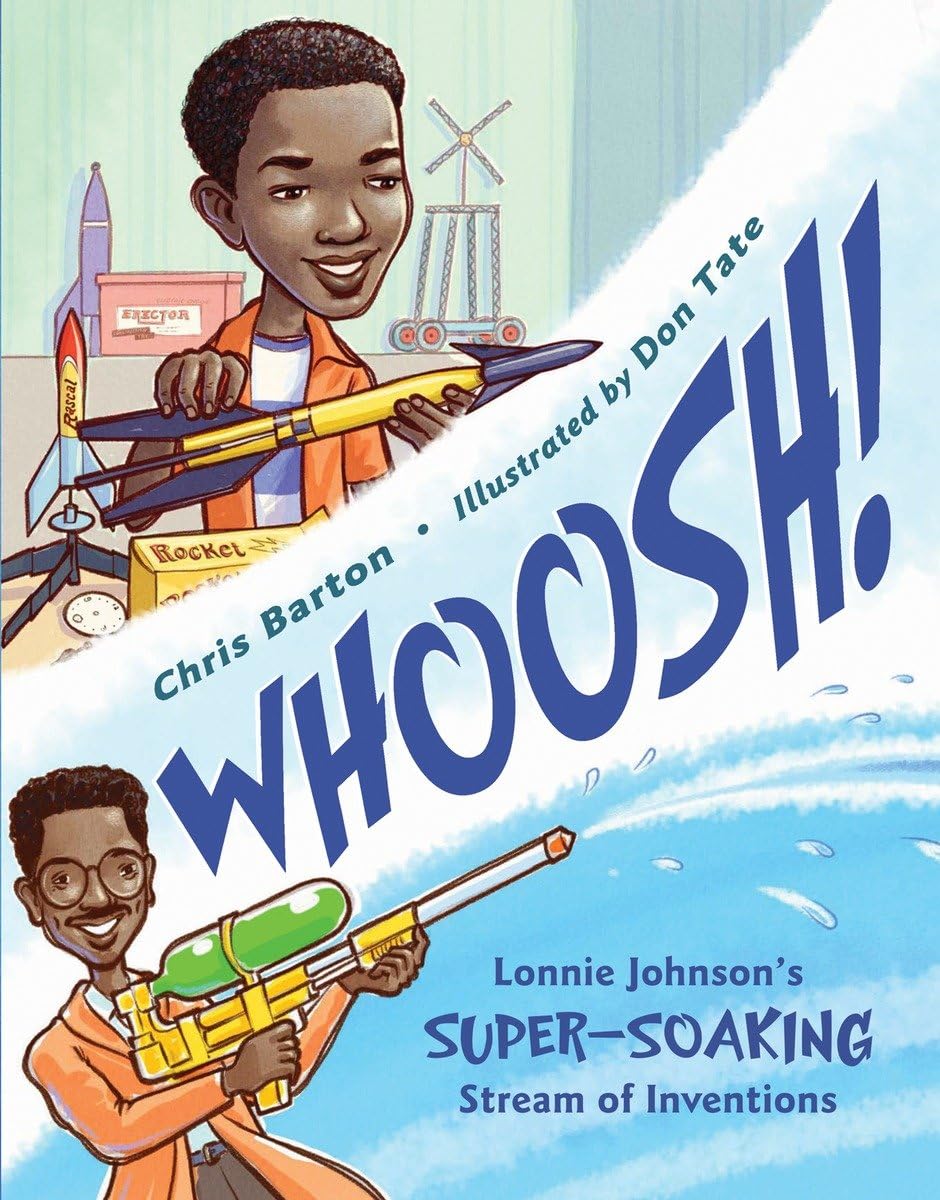
Whoosh! tells the story of inventor Lonnie Johnson who created the Super Soaker, an accidental invention. This book shares the details of Lonnie Johnson’s career as an engineer and NASA employee.
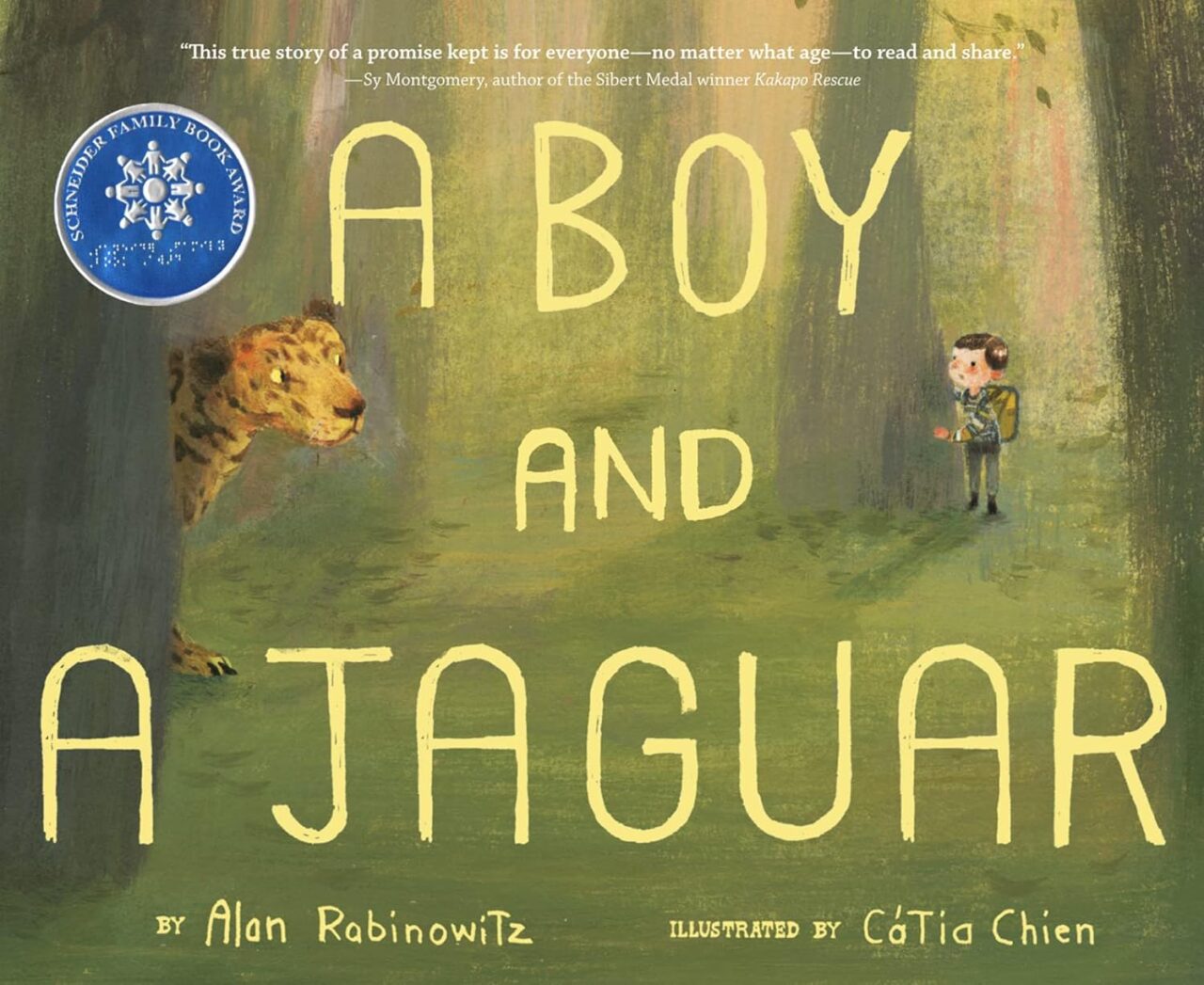
A Boy and A Jaguar is a picture book about Alan Rabinowitz who stuttered as a child except when he spoke to animals. Alan found power communicating with animals and advocates for wildlife conservation. This book is perfect for young animal lovers, especially those with atypical language development.
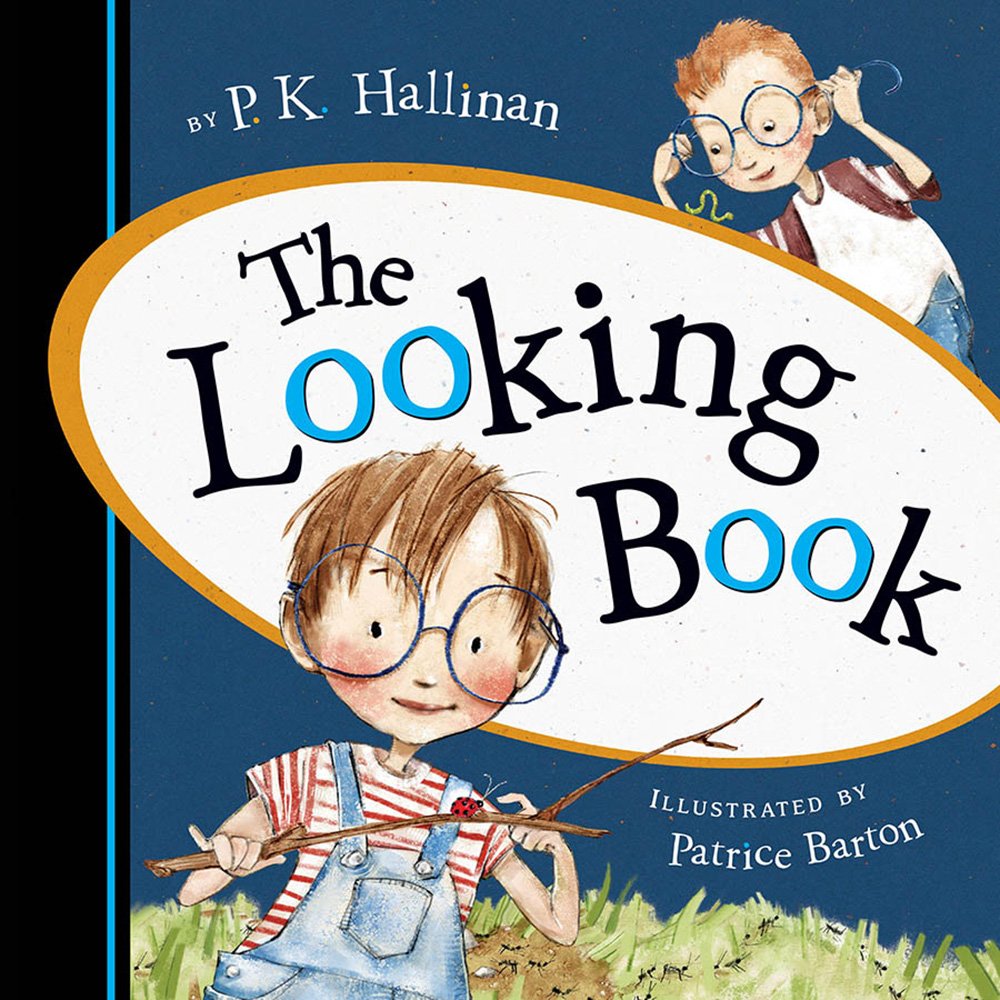
The Looking Book is a fun, rhyming book that encourages young learners to look at the world around them! Challenge kids to see the wonders of the world and what the outdoors has to offer. This book promotes exploration which will get young kids excited about asking questions about the world!
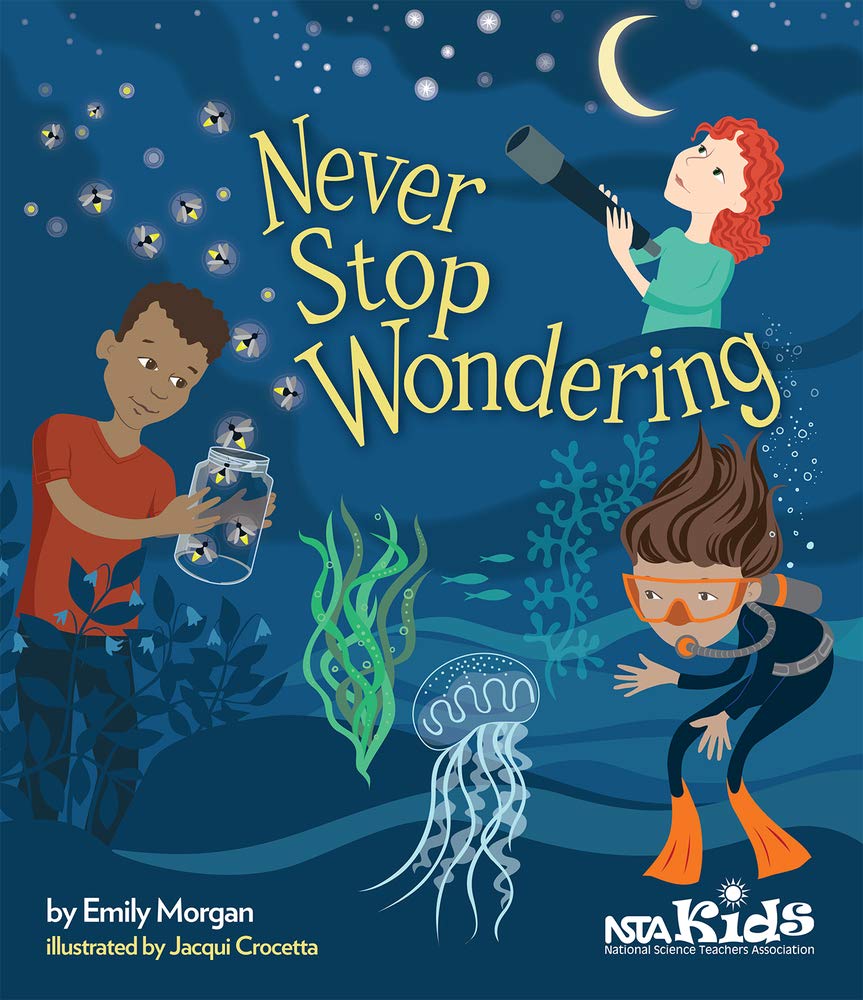
Never Stop Wondering is an ode to science and asking questions! The book’s main message is to keep curiosity alive. This book will challenge students to be inquisitive which will help them in asking scientific questions and engaging in inquiry.
Notable Notebooks: Scientists and Their Writings
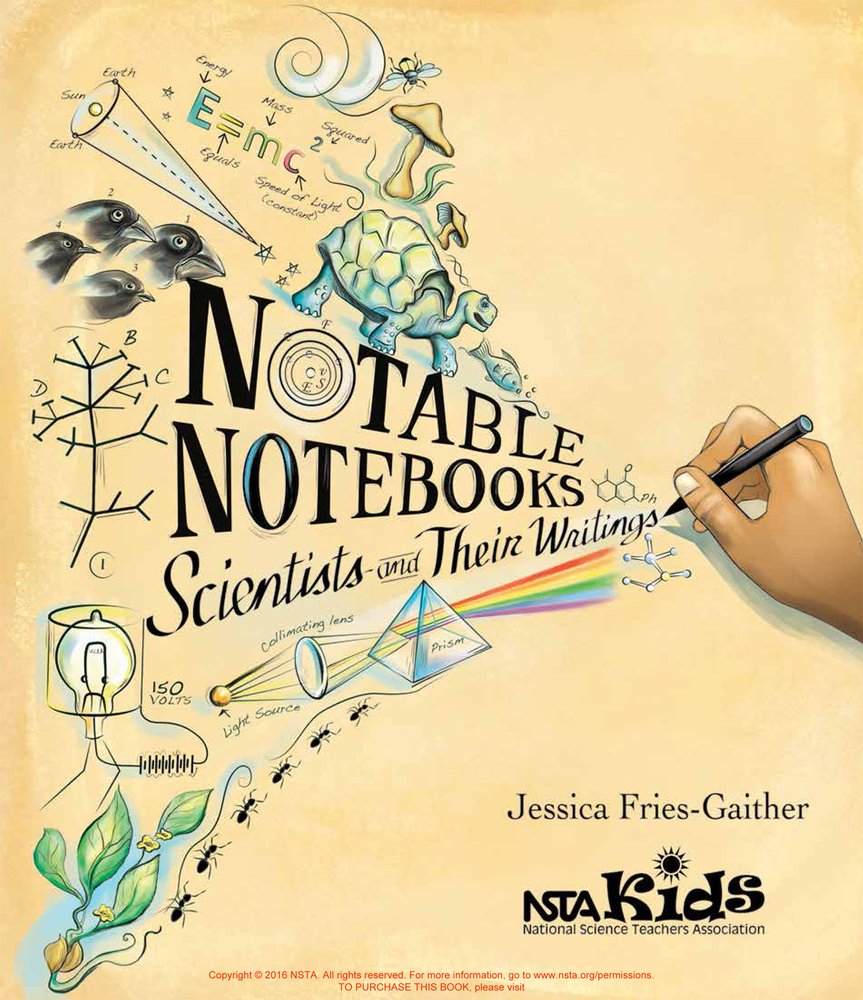
Notable Notebooks discusses how real life scientists from Galileo to Jane Goodall used science notebooks. The book also includes steps to help budding scientists create their own science notebooks.
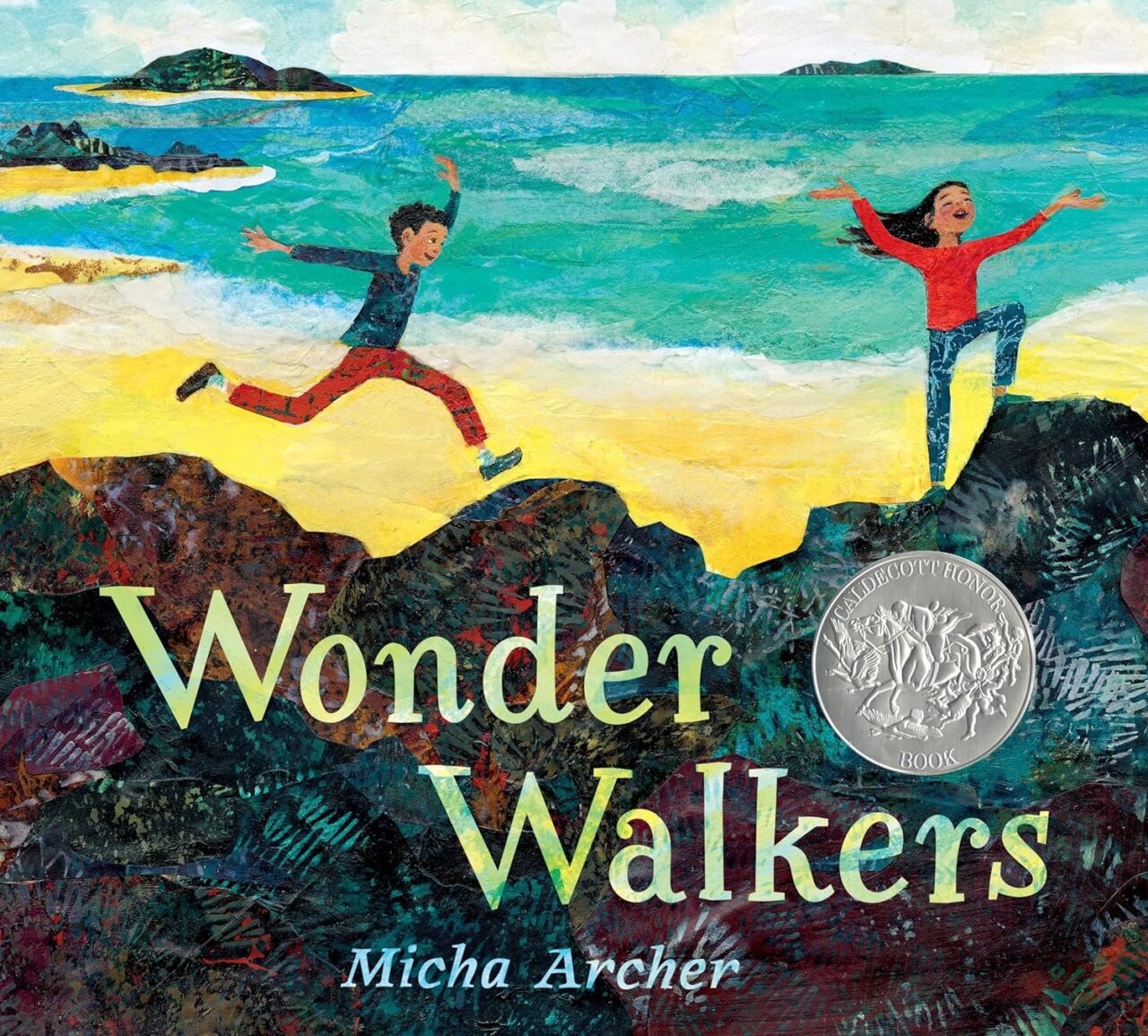
Wonder Walkers tells the story of two kids whose curiosity sparks their imagination. They ask questions about the world around them just like many young learners!
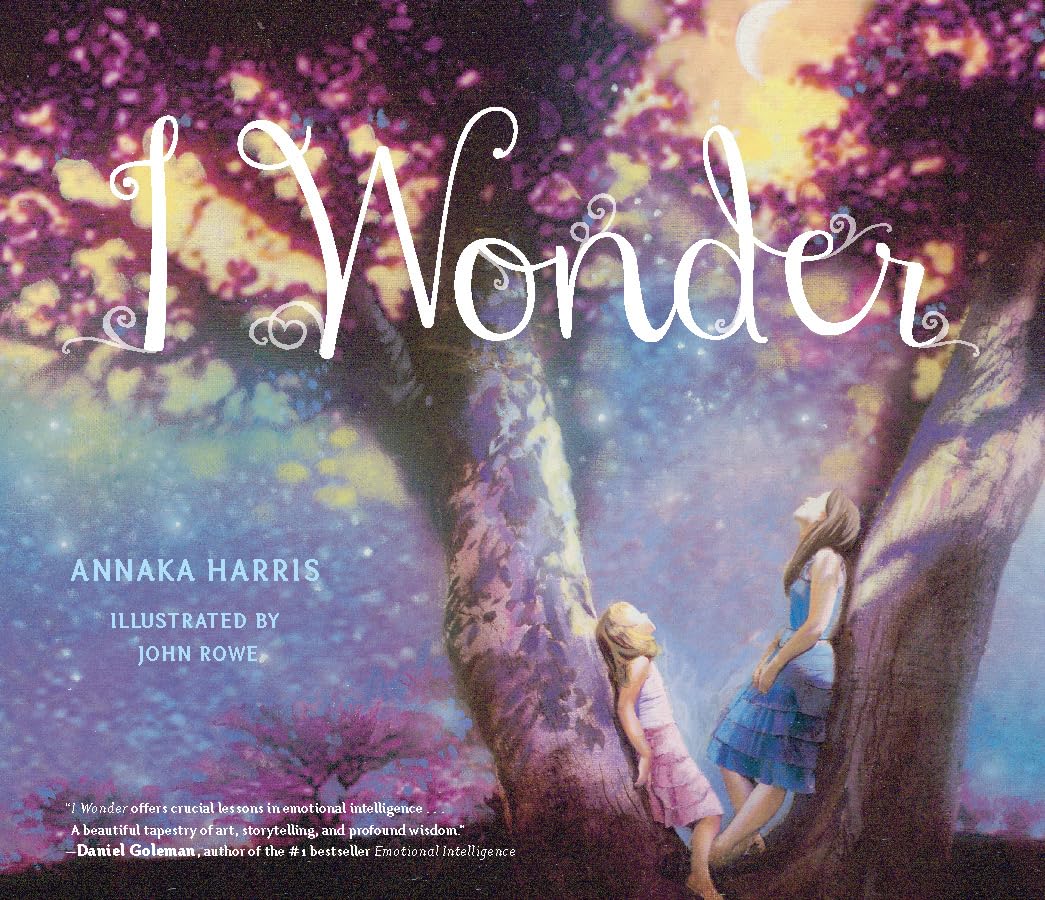
I Wonder tells the story of Eve, who faces a range of mysteries about the world, such as gravity and life cycles. The book inspires curiosity and wonder, which can fuel young scientists!
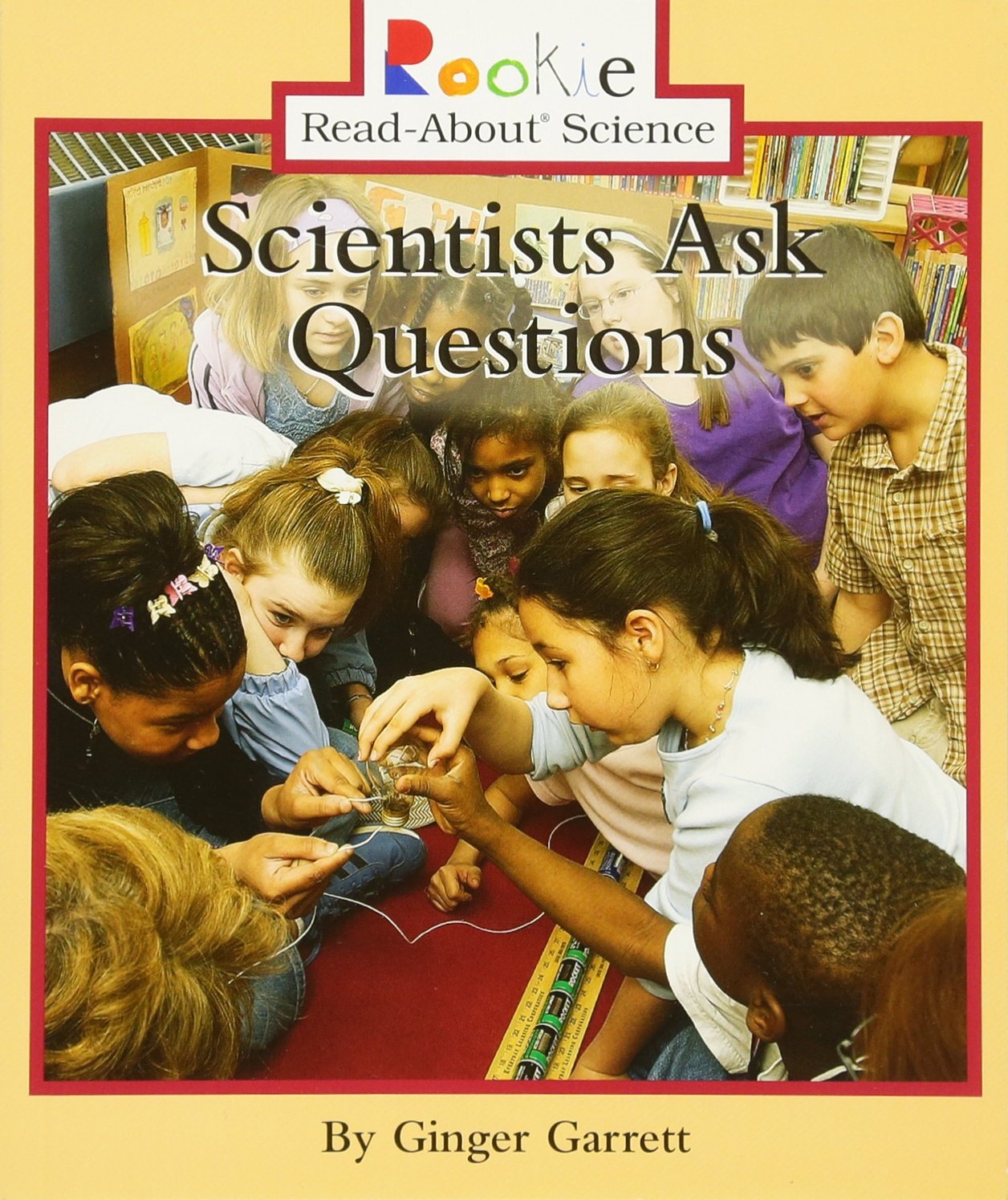
Scientists Ask Questions is a great way to introduce young scientists to science questioning. The book features questions and hands-on experiments to do with kids!
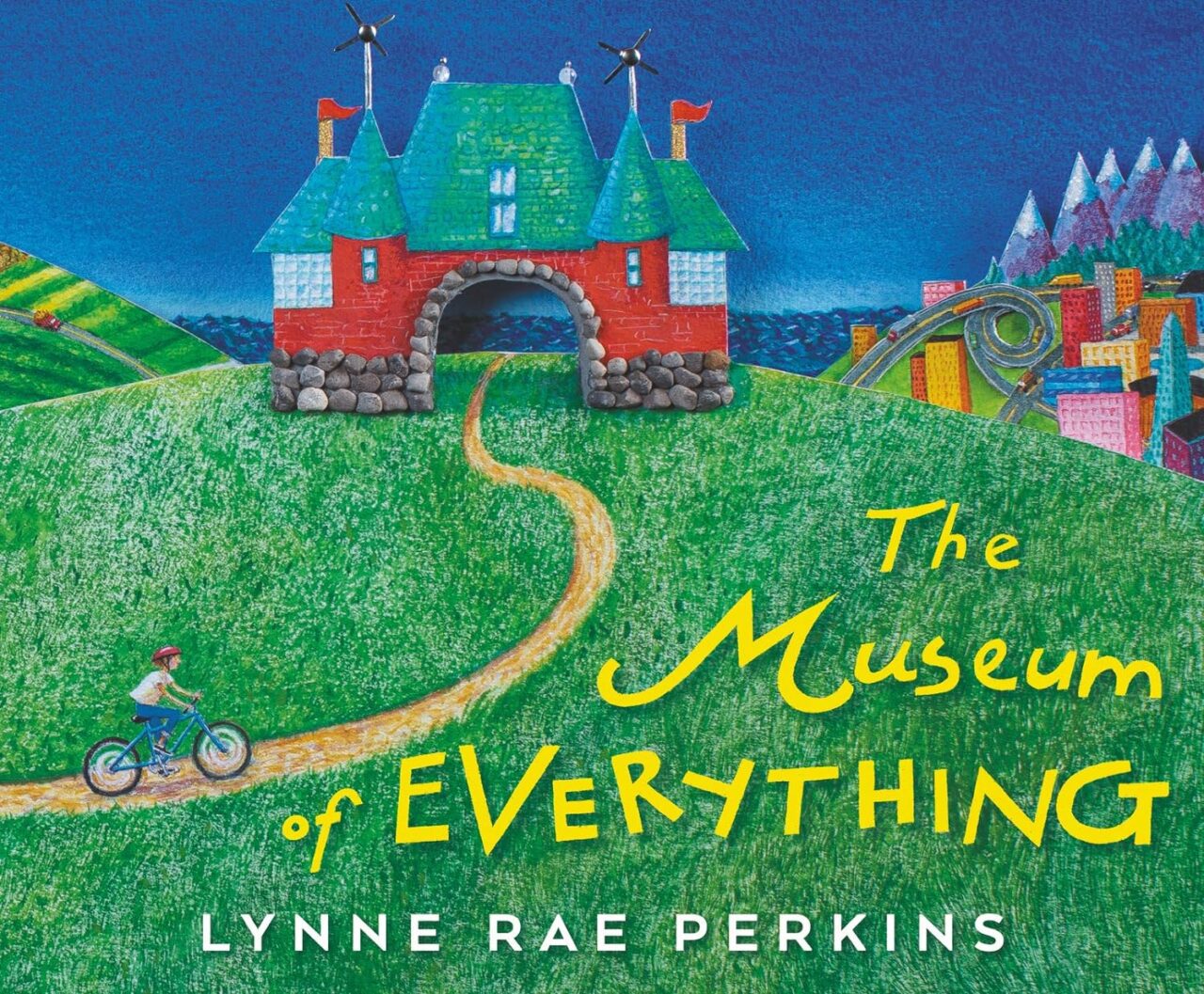
The Museum of Everything is a picture book that inspires imagination, creativity, and curiosity. Encourage young learners to explore the world around them with this book.
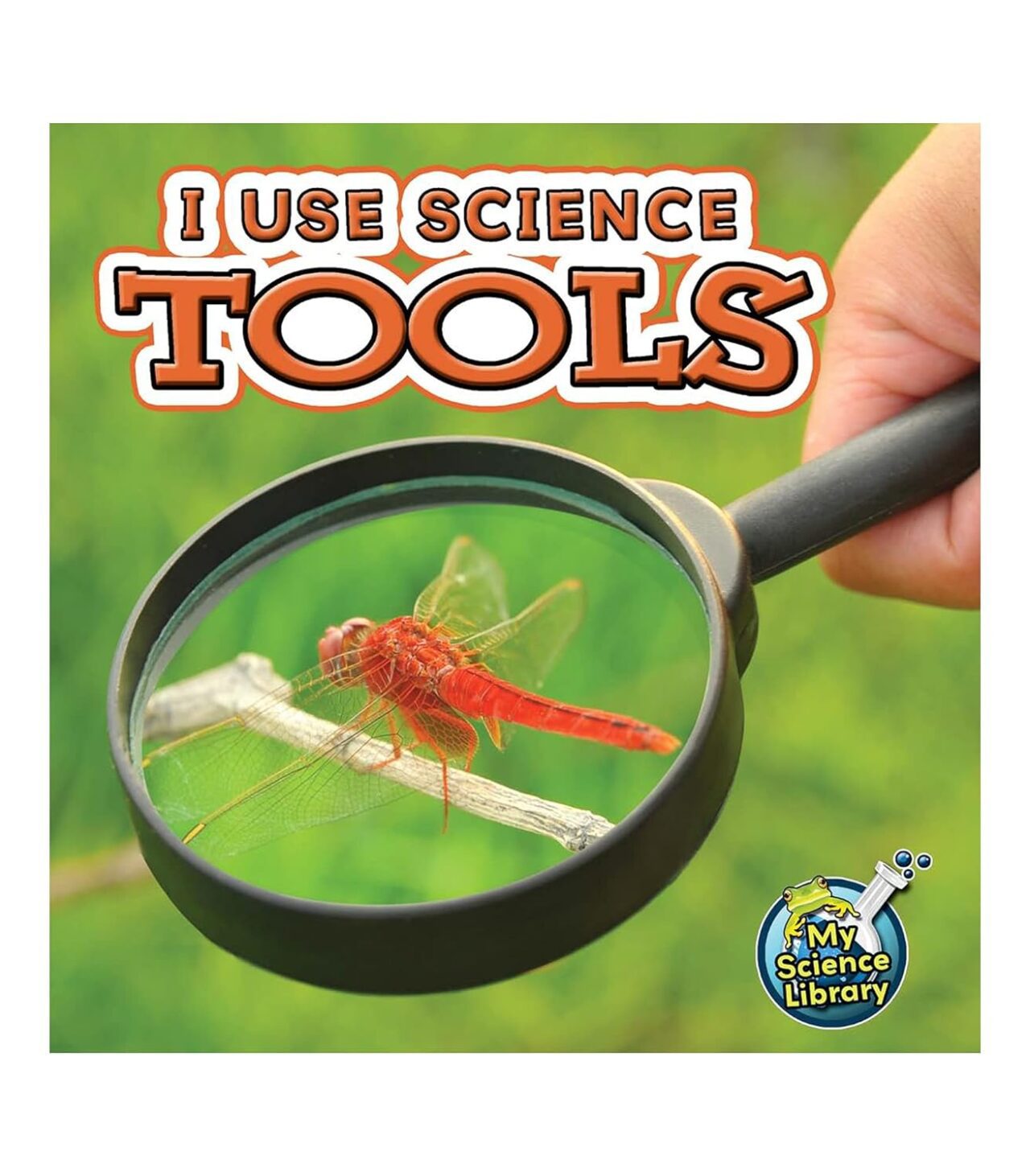
I Use Science Tools teaches young learners about scientific instruments and how they can be used. This book makes learning fun and challenges young learners to use these tools.
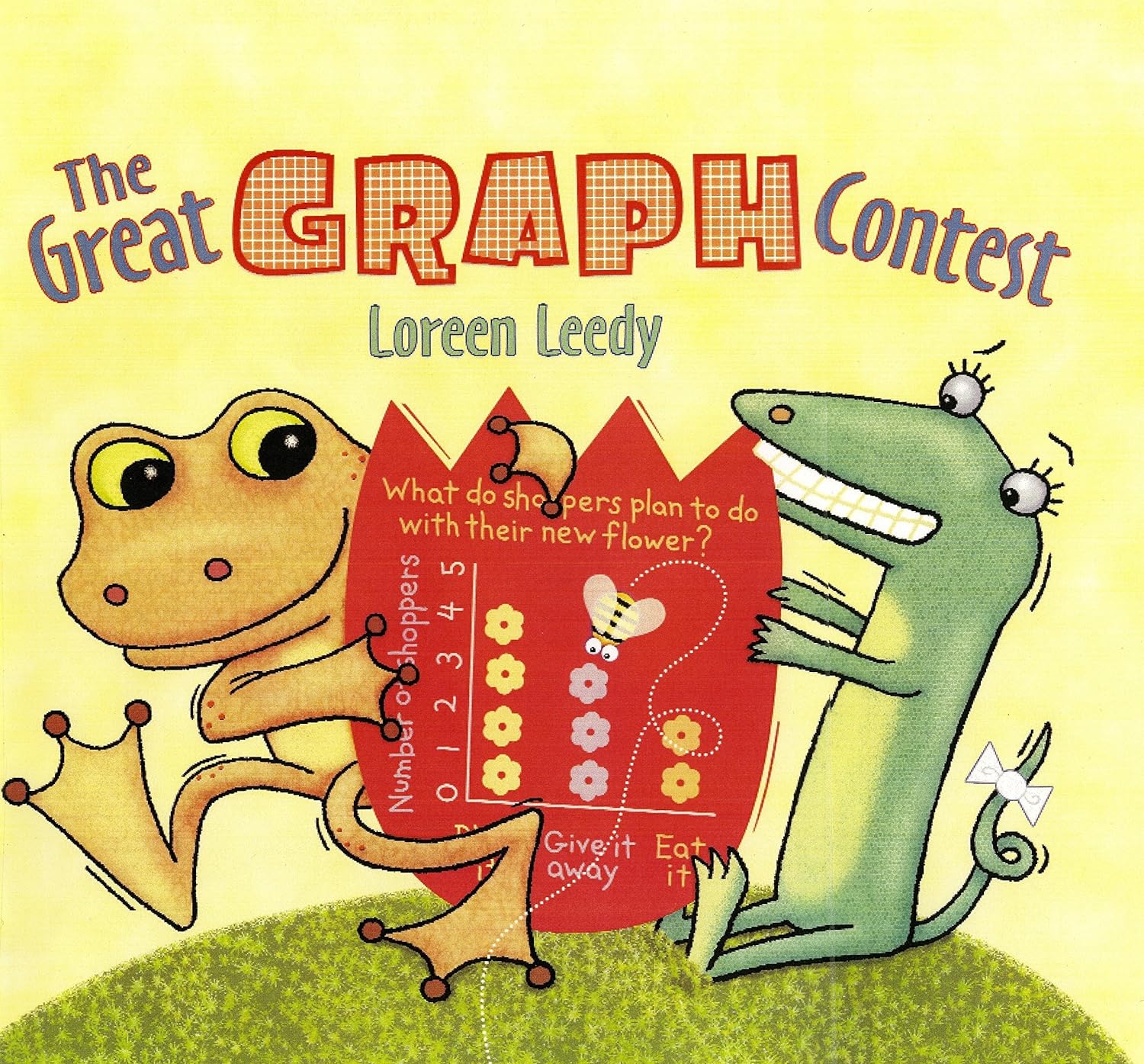
The Great Graph Contest makes visualizing data simple and fun! Young learners can use this book to learn more about bar graphs, pie charts, Venn diagrams, and more!
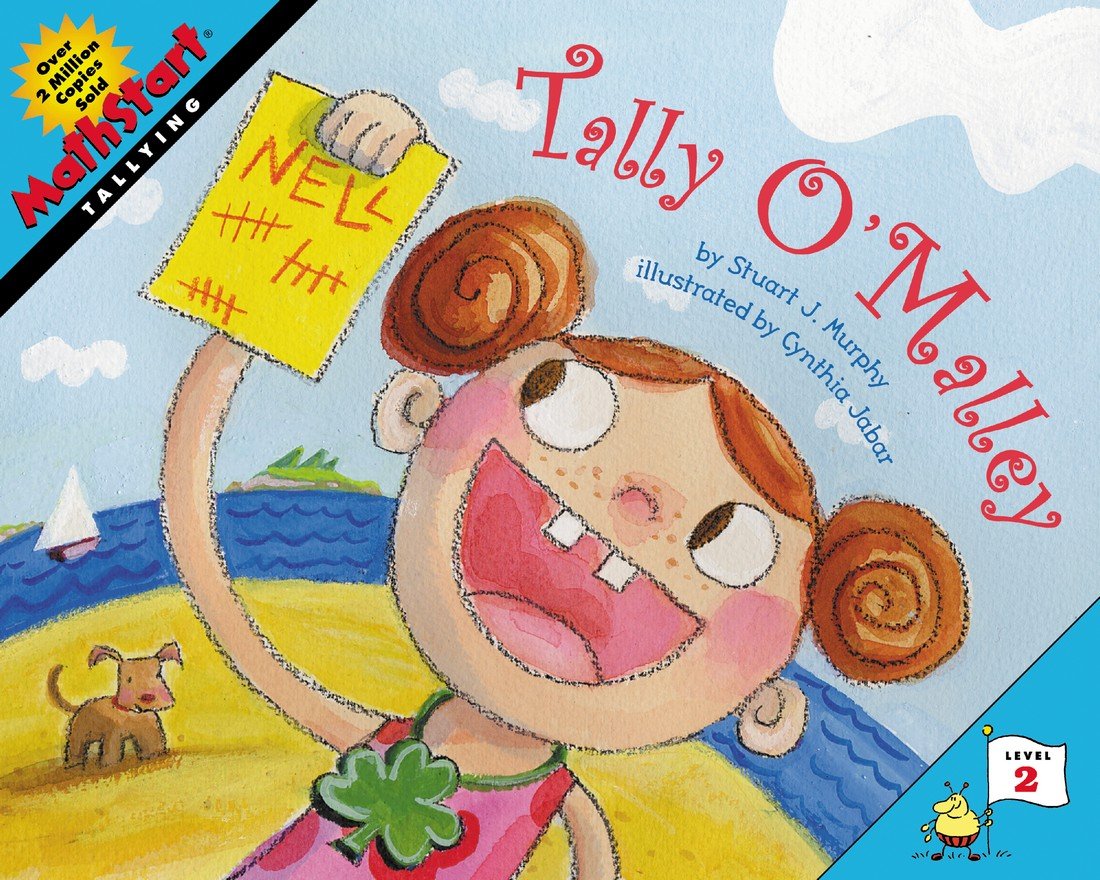
Tally O’Malley is a combination of stories and illustrations to help teach math. The book contains activities to promote math comprehension in their own lives. Kids can use the new learned math concepts, such as tallying, to collect and interpret data.

These resources were developed with the generous support of private foundation funds,
3-D® Pet Products, Wild Delight® Outdoor Pet Products, and Better Bird©