
Grades 9-12

Adaptable for high school students, these lessons and activities can challenge beginning and advanced learners alike. Free resources allow educators to meet students’ needs in a fun and engaging way.

Students as Scientists: Nature-based Inquiry
Are you looking for a way to make science exciting, meaningful, and hands-on for your students? Give them the tools to explore the natural world, ask their own questions, and design their own investigations with our Students as Scientists: Nature-Based Inquiry unit.

Free eBird Explorers 9-12 Lesson
Set the stage for discussions around birds as bioindicators with your free copy of our eBird Explorers: Monitoring Our Changing World 9-12 lesson. Students will explore habitats and conservation challenges with relevant and engaging activities.

Spark Guides
These five guides offer quick and easy activities to spark your student’s curiosity about the natural world. Depending on your student’s interests, you can choose one or complete all five. Each guide has an activity than can be used alone or used as an entry point into inquiry-based science.
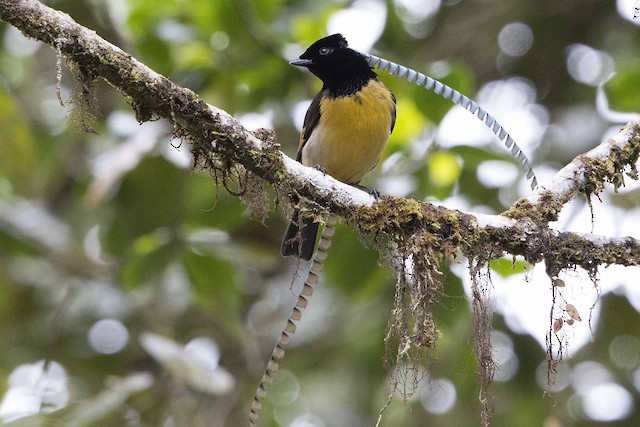
Evolution in Paradise
Dive into media-rich educational content that will captivate your students. Using the Birds-of Paradise Project videos, hands-on activities and lively discussion, explore the topics of science process, natural and sexual selection, behavior and heritability.
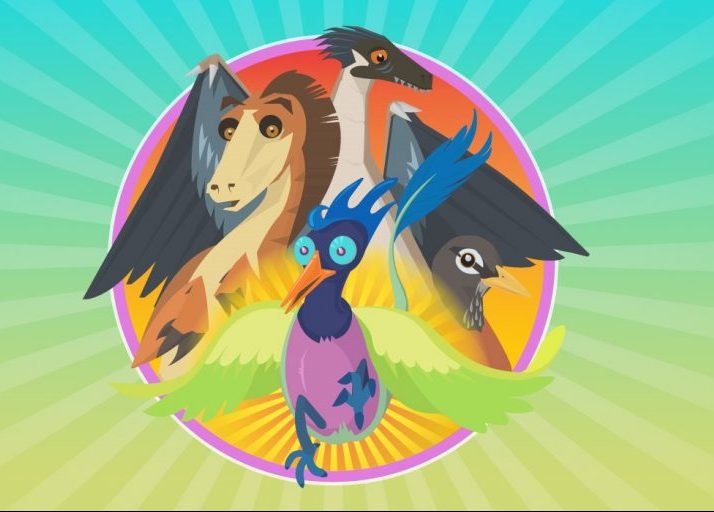
Flap to the Future
To supplement Bird Academy’s online game Flap to the Future, we’ve created Jump, Glide, or Fly? Exploring Bird Evolution lesson plan. This lesson plan, composed of three activities, explores modern birds and their dinosaur ancestors, adaptations for flight, and the relationship between structure and function.

Bird Count Tally Sheet
Use this tally sheet when submitting to eBird.
Discover adaptable curriculum units and kits that explore science and nature themes inside the classroom and out!
Aligned to 9-12th grade Next Generation Science Standards and Common Core State Standards, this curriculum features eight investigations that dive into topics such as habitat loss, climate change, carrying capacity, and the importance of participatory science. Connect students with meaningful content that feeds their need to relate to their environment while building conservation minded young adults.