

Top 9 Mysterious Birds
Our mysterious birds post has returned for the Halloween season. Take a look to frighten your night… if you dare! In your backyards, swooping through your neighborhoods, and far beyond… here is our take on the Top 9 Mysterious Birds.*
*We hardly have ornithophobia (fear of birds), and we hope you don’t either. We just find learning about birds frighteningly fascinating!
American Crow

A hoarse cry echoes across the sky, tracing chills down your spine: Caw! Caw! Caw! Eerily enough, a large group of crows is sometimes called a “murder.” However, there’s nothing truly scary about this wonderful species. Crows are very intelligent, family-oriented birds that are rarely seen alone. This all-black bird (even the insides of its mouth are black) could easily sneak up on you in the pitch-dark night… but alas, they are diurnal! While they do often eat meat, their diet is broad and consists of whatever they can forage: insects, eggs, berries, seeds, even garbage! Learn more about this fascinating species (and hear their raucous calls) at All About Birds.
Common Raven
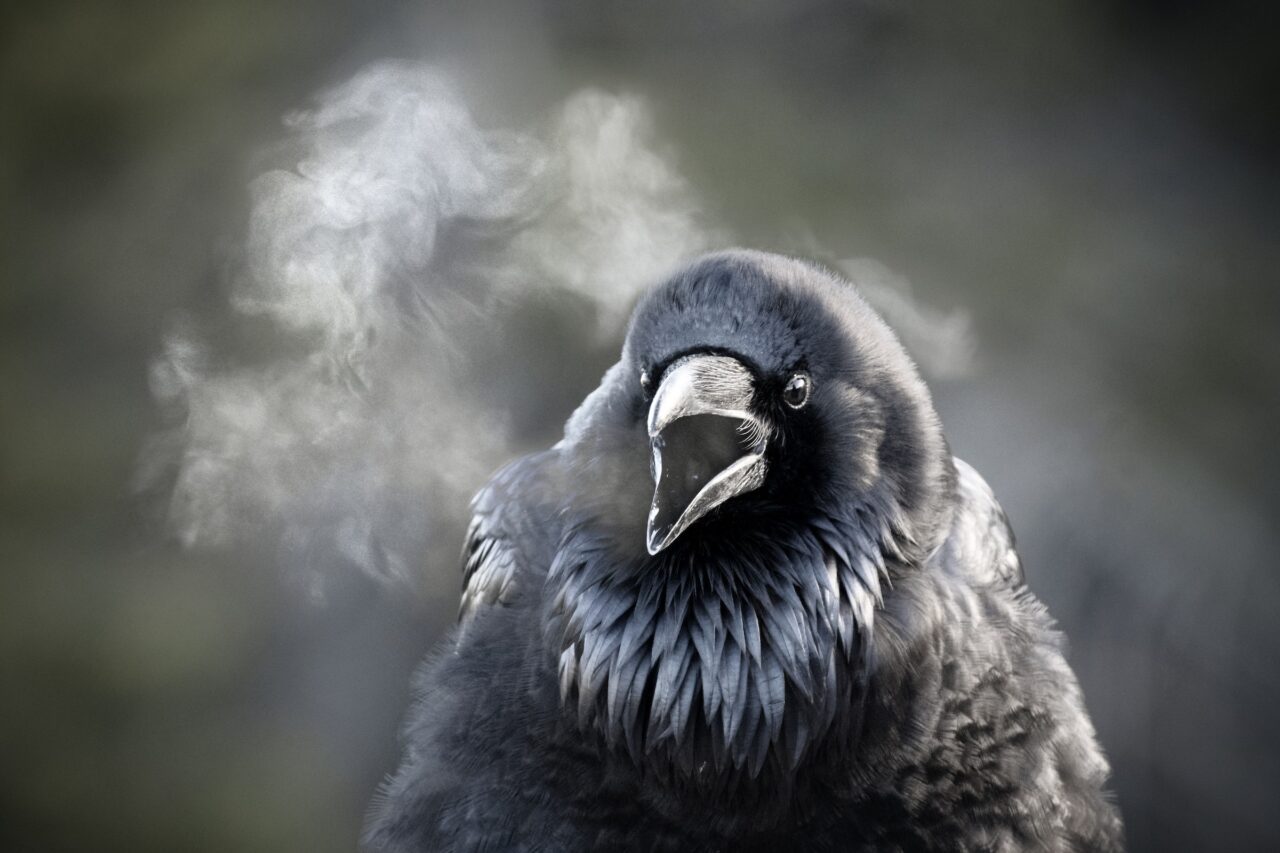
“Quoth the raven, `Nevermore.’” This bird is the bringer of devils and death in The Raven by Edgar Allen Poe. It’s no surprise the bird said, “nevermore” as ravens are notorious mimickers, known even to copy human speech! They are incredibly smart: solving puzzles and using tools for foraging.
Due to their intellect and fondness for carrion, mythology hails them as otherworldly harbingers of war and death! One term for a group of Common Ravens is an “unkindness.” With black feathers, ebony eyes and a beak capable of tearing open animal flesh, the Common Raven is indeed an intimidating creature. Add in its throaty cr-r-ruck cry, and the Common Raven adopts a supernatural eeriness perfect for Halloween.
The Common Raven ranges over most of western and northern North America. Will you see them where you live? Find out here. Though the Common Raven may look similar to the American Crow at first, here are some tips to see the difference.
American Barn Owl
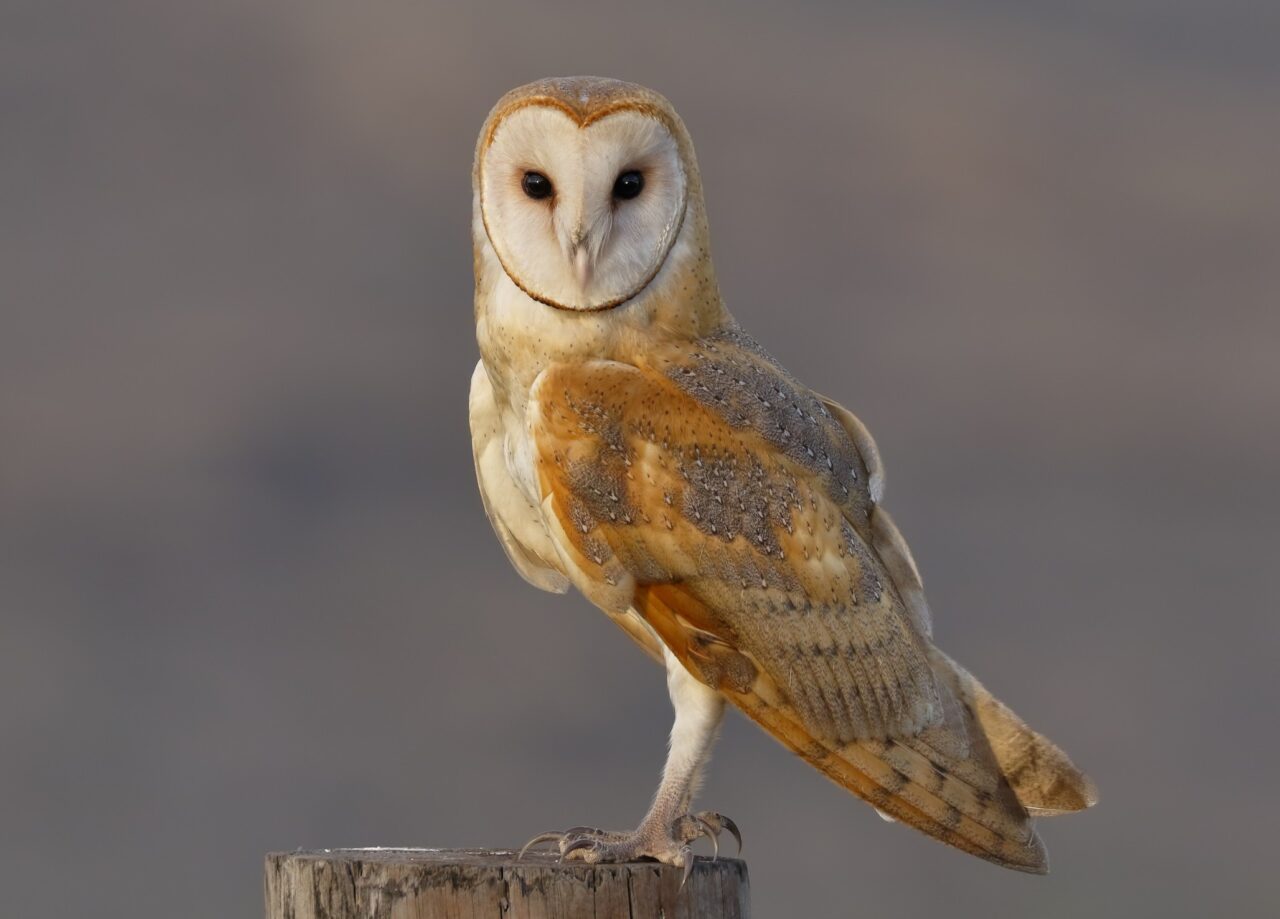
Silent but deadly nocturnal hunters: owls have been associated with magic, evil, and death for thousands of years. The American Barn Owl is a trifecta of spookiness: unearthly hoots and hisses, a tendency to roost in abandoned attics, and a ghostly white face! This bird’s soft feathers allow for quiet ambush on any unsuspecting prey, especially their favorite feast: mice and voles. Also, there’s no escape, Barn Owls are found on all continents except Antarctica. This species could surely give trick-or-treaters a fright that they won’t hear coming! Find out more about this ghostly bird here.
Turkey Vulture
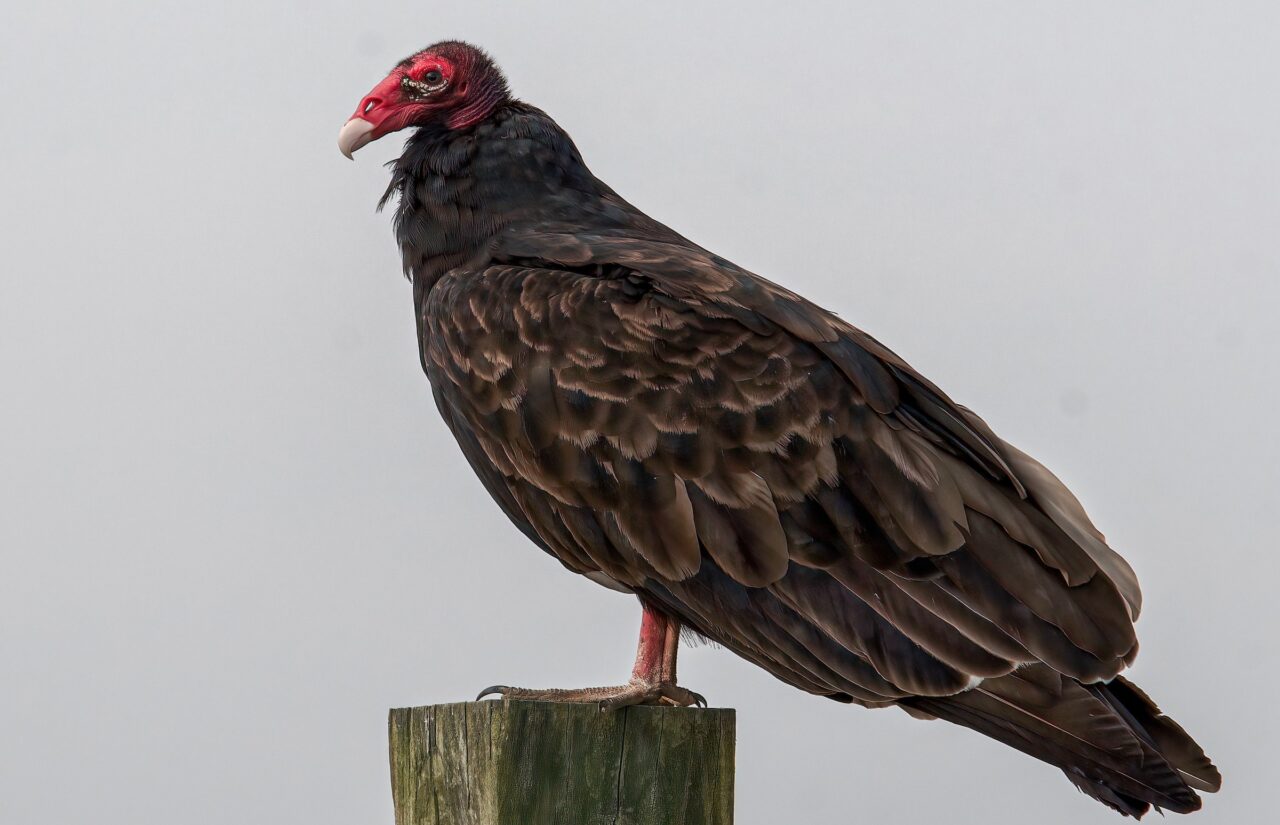
Vultures have long been scorned and sometimes feared as scavengers that feed on the dead. Indeed, they have an unnerving knack for rapidly amassing at the site of a carcass. In ancient Greece, the birds were considered bad luck, and according to Persian lore, a pair of vultures guard the gates of Hell.
Large, dark, and hulking, the turkey vulture has a huge 6-foot wingspan and distinctive bald red head (the bare head keeps the birds from getting soiled when eating carrion). Turkey Vultures can be seen soaring alone or in groups, holding their wings in a V-shape and rocking back and forth. They use their excellent sense of smell to detect rotting flesh (their next meal), so Halloween zombies beware. Sniff out more info here.
Harpy Eagle
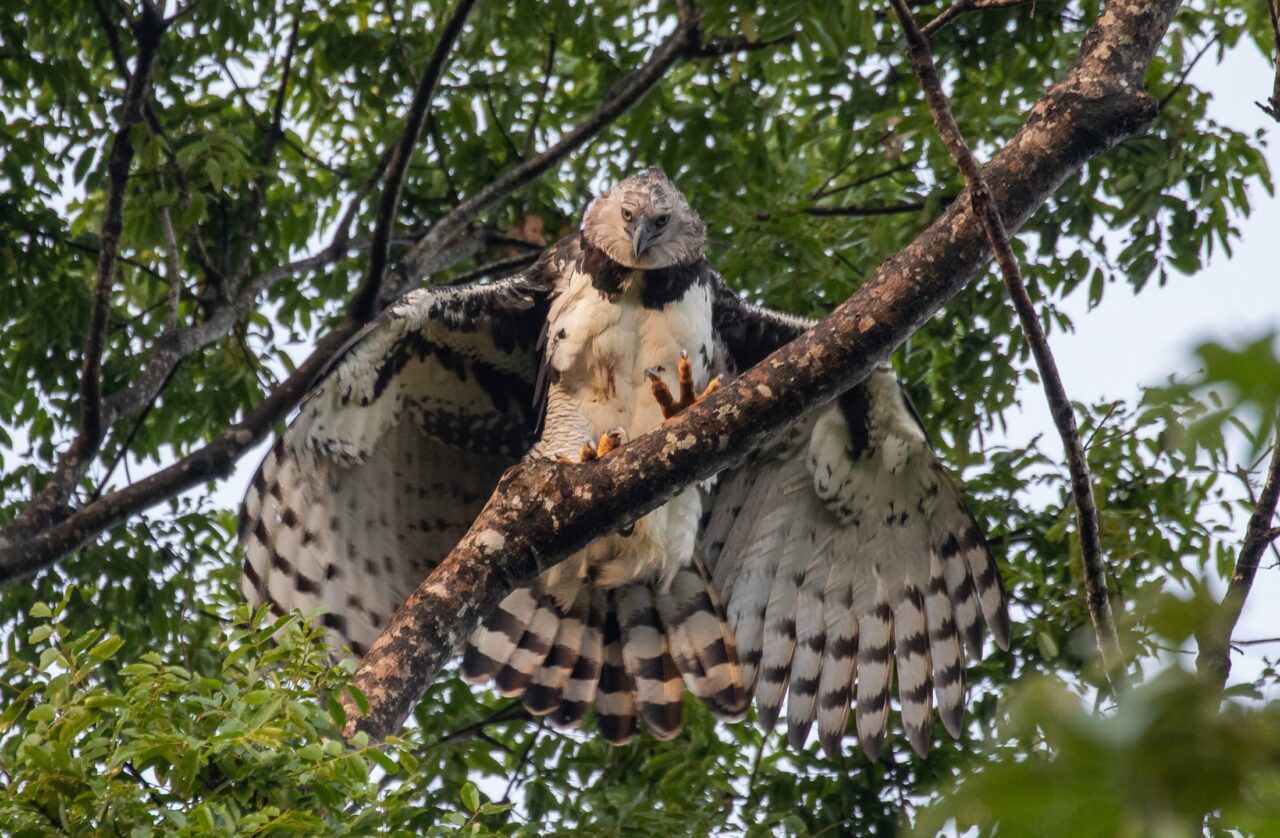
With a hooked beak, pitch dark eyes, and formidable 7-foot wingspan, you wouldn’t want to run into the Harpy Eagle when it’s hungry. The Harpy Eagle is considered the most formidable eagle in the world, regularly feeding on monkeys and sloths. Its menacing talons are comparable to the Grizzly Bear’s claws. Harpy Eagles are found in the rainforests of Central and South America, and, fortunately for us, they prefer to avoid humans. Interested in learning more? See more photos and videos and hear its squealy call here.
Great Potoo

Chances are you’ve never seen one, and without a keen eye, never will. This camouflaged, neo-tropic bird is recognized best for its nighttime growl, “paaaaaawwww!” (Listen here). Great Potoos remain motionless during the day, mimicking the tree branches to escape predators. With nightfall, they come alive to devour insects and small bats. Unless you visit the rainforests of Central and South America, where Great Potoos are native, you don’t have to worry about any trees suddenly springing to life in a flurry of feathers. For more photos, videos, and sounds click here.
Laughing Kookaburra

“Hahahaha,” it’s the Laughing Kookaburra! These large, Australian kingfishers aren’t just fishers, they eat frogs, rodents, and even snakes. The crepuscular cry of the Laughing Kookaburra has fascinated humans for its similarity to human hysterics. Though the chances you’ll see one this Halloween are slim, always remember who gets the last laugh. Check out this blog post on Kookaburras. Be sure to listen to their call!
Marabou Stork
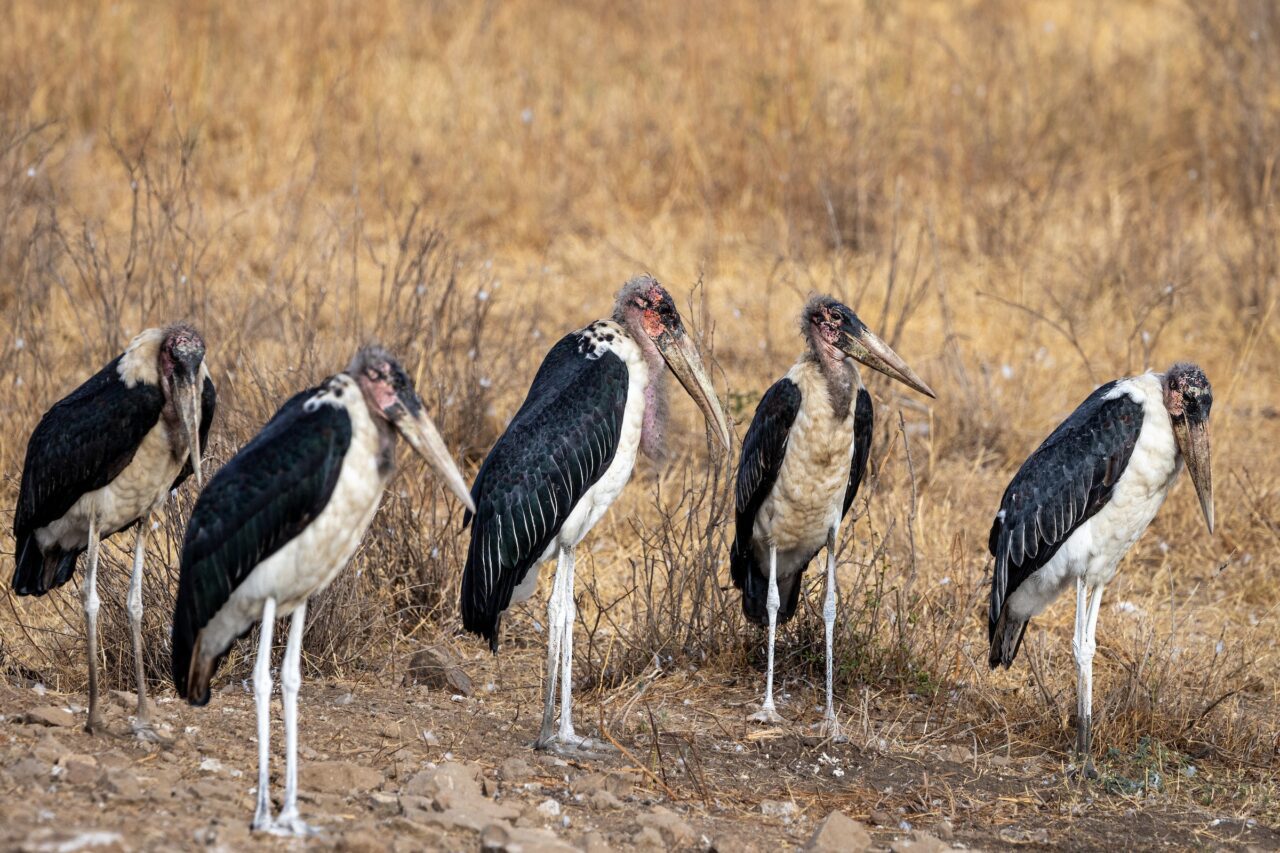
This African stork feeds on every manner of putrid animal matter available, including carrion and garbage! With a five-foot figure, the “undertaker bird” is elegant, yet unsightly. Its splotchy, balding head allows it to dive into carcasses while staying clean, and the sagging pouch on its front is actually an attractive courtship tool. When the Marabou Stork isn’t silent, it utters guttural grunts and rattles its bill (listen here).
Golden Eagle

Just because you’re bigger than a Golden Eagle, doesn’t mean he won’t pick a fight. The Golden Eagle primarily preys on animals that are smaller than them, such as rabbits, ground squirrels, and already dead mammals. But they have been observed killing bigger animals including deer, domestic livestock, seals, coyotes, bighorn sheep, bobcats, and badgers. Plus, they’ll rob nests and steal food from other birds. And they are quick…diving from great heights, they have been known to reach speeds of close to 200 mph! Learn more about the ferocious Golden Eagle here.