
Feathered Friends
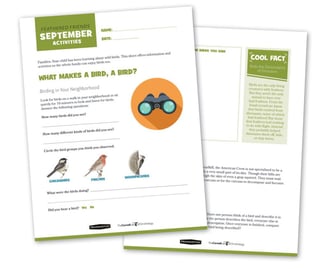
Our friends at Pennington Wild Birds are working with us to educate and engage children in the pleasures of feeding and watching birds. Download easy-to-use and fun activities that will help you teach science content year-round through common birds.

Additional Resources and Links for Monthly Lessons
What Makes a Bird a Bird?
Bird of the month: American Crow

Engage: True or False?
Basic Statements – Explanations
1. Birds are the only living animals that have feathers.
True. All birds have feathers. Some birds have highly modified feathers to fit particular functions, such as the fancy feathers on a peacock’s tail.
2. All birds fly.
False. While birds are known for their ability to fly, there are many that do not fly such as penguins (who swim), ostriches, emus, and kiwis.
3. All birds have two wings.
True. All birds have two wings!
4. Birds lose and replace their damaged feathers.
True. Birds can replace old and damaged feathers through molting. Molting generally occurs after nesting or before migration when the bird has enough resources and energy.
5. All birds have thick, heavy bones that provide the structure needed to fly.
False. Most birds have adapted to have very light but strong bones, so they are light enough to fly. A few flightless birds, like penguins, have solid bones.
6. Birds have poor eyesight.
False. Birds generally have very good sight. Many birds can see color; some can even see light ranging in the ultraviolet spectrum that humans cannot see!
7. Bird hearts beat more slowly than human hearts.
False. The heartbeats of birds are faster than those of humans. In fact, a hummingbird’s heart beats over 1,260 times per minute! For comparison, a human’s heart rate is usually 60 to 100 beats per minute.
8. All birds lay eggs.
True. All birds species do lay eggs. Male birds do not.
9. Most birds eat worms.
False. There is a large variety of diets among birds. Birds eat anything from seeds, nectar, insects, worms, fish, crustaceans, frogs, to small animals.
10. All birds sing.
False. While not all birds sing the beautiful songs we commonly think of, most are capable of making a variety of sounds. They be calls, chip notes, or pecking against a tree. Males do more singing in many song birds.
Challenging Statements – Explanations
1. All birds migrate.
False. Not all birds migrate; for example, the Rock Pigeon is one species which remains in one area all year round. This bird is found throughout the U.S. Many birds, especially those that eat insects, must migrate to find food.
2. Birds are vertebrate animals.
True. Birds are vertebrate animals that have a backbone and internal skeleton–just like us!
3. All birds are warm-blooded.
True. All birds are warm-blooded, or endothermic. This means that birds are able to regulate their body temperature through various internal means.
4. All baby birds hatch covered in downy feathers.
False. Not all baby birds are covered in downy feathers when they hatch. For example, many song birds, such as the American Crow, are born almost entirely naked.
5. Male and female birds of some species look different.
True. There are many species where the males and females look different from each other. One example is the Red-winged Blackbird. The male plumage matches his name, but the female is a dull brown with no red patches on her wing.
Explore: Bird Search
Make copies of the PDF above for each student. In an outdoor environment, have students develop their observation skills by finding birds that fit in the appropriate category.
Inquire: Meet Three Feeder-Bird Groups
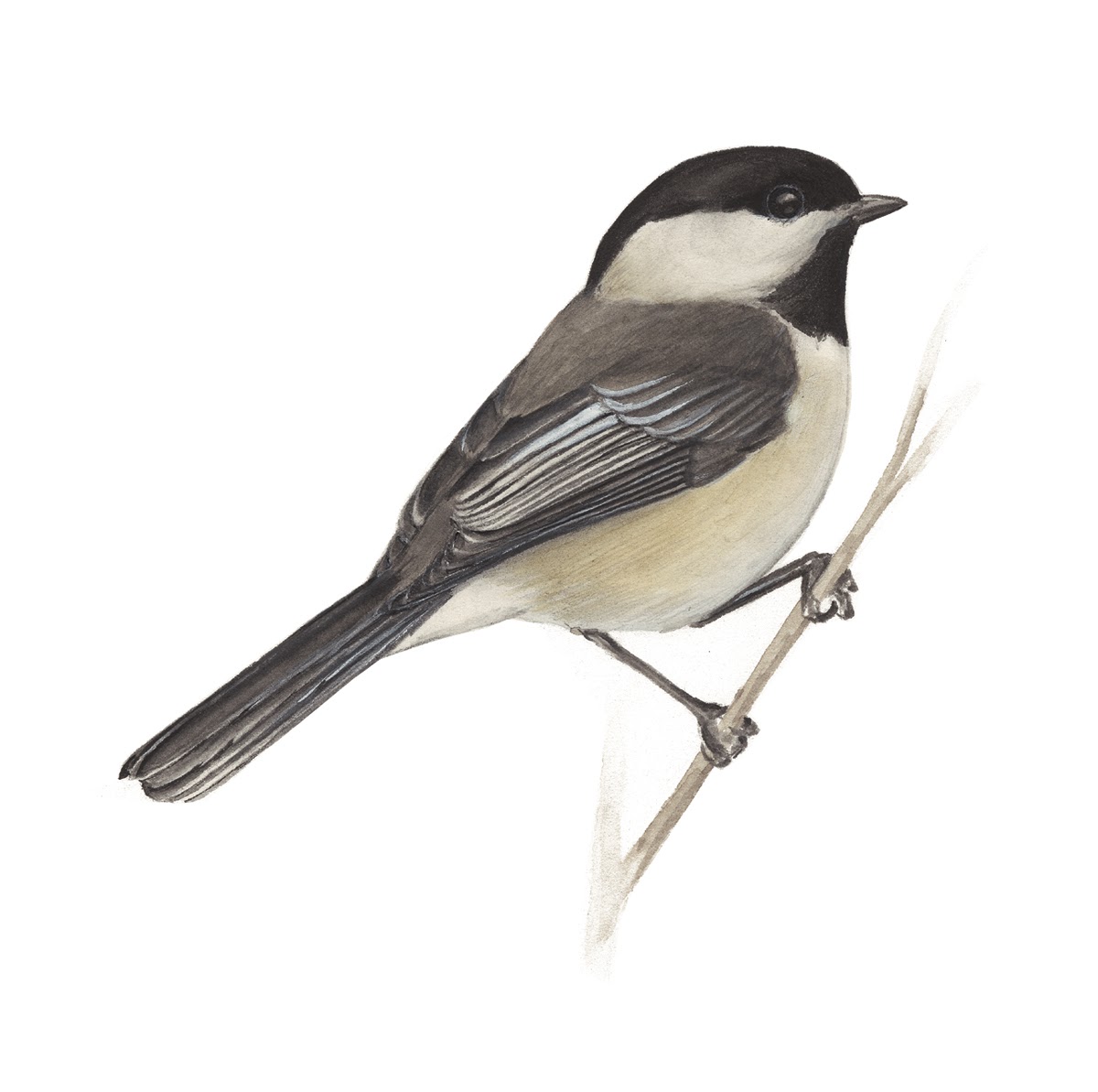
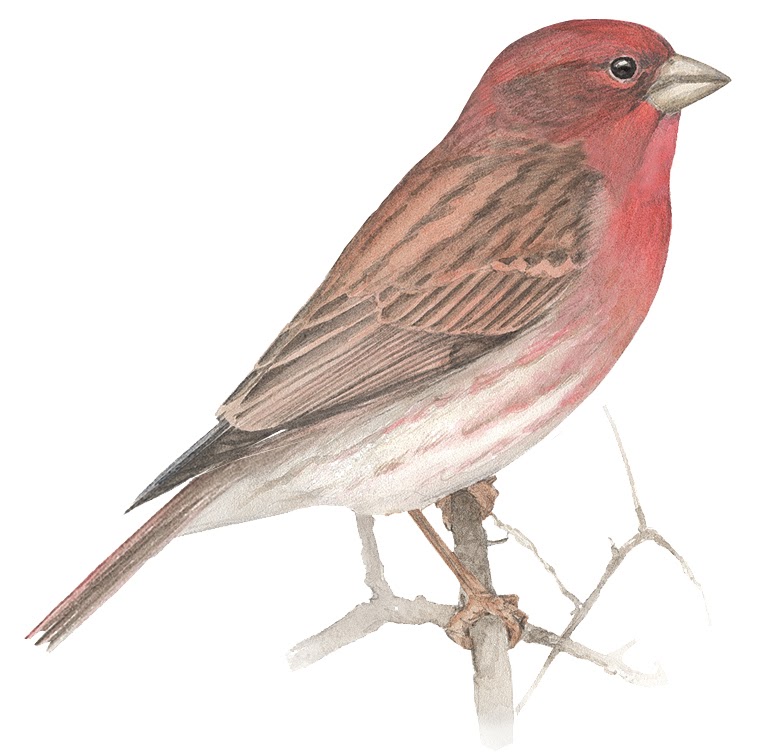
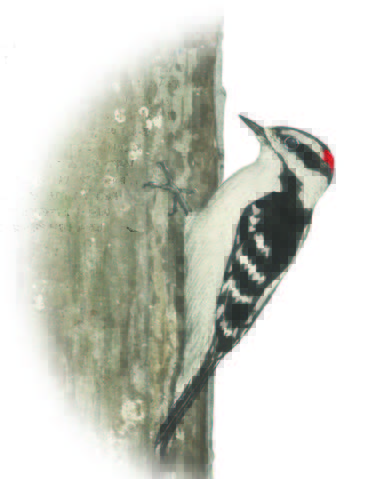
Click on the images of the 3 bird groups above (Chickadees, Finches, and Woodpeckers!) to learn more about these groups.
Who’s That Up in the Sky?
Bird of the month: House Sparrow

Engage: Silhouettes
Download and print the Common Feeder Birds Mini Poster from Project FeederWatch.
Explore: Observe Feeder Birds
If going outside isn’t an option, the Cornell Lab’s FeederWatch live feed is a great alternative to looking at the birds you discussed in class. If you and your students wish to make regular feeder bird observations, consider participating in Project FeederWatch.
What’s in a Habitat?
Bird of the month: American Robin

Supporting Text:

Behave Like a Bird
Bird of the month: Red-winged Blackbird

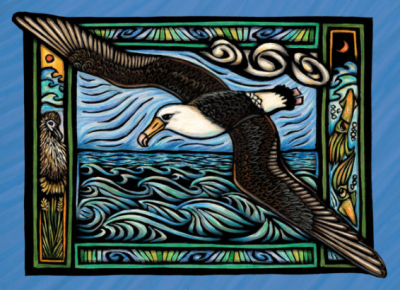
Engage: Dance Like an Albatross
Watch the “How to dance – ‘Tross style” video and see if you can notice the different patterns Laysan Albatrosses make during courtship displays.
Explore: Birdy Says
Click the links below to see videos of the “Birdy Says” movements.
- Pigeon Strut – Rock Pigeon
- Soaring Raptor – Red-tailed Hawk
- Penguin Waddle – King Penguin
- Hummingbird Flutter – Talamanca Hummingbird
- Step-stopping Robin – American Robin
Inquire: Backyard Bird Behaviors
- Courtship Display- Western Grebe
- Mating/ Territory- Great Sage-Grouse
- Attracting Fish for Foraging by Creating Shade- Black Heron
- Drying Wings After a Dive- Double-crested Cormorant
- Foraging- Dusky Scrubfowl
Supporting Text:
Eat Like a Bird
Bird of the month: Mourning Dove

Engage: Food Detectives
Below are links to species eating various foods you may provide to your students:
- Sunflower seeds – Northern Cardinal, Black-capped Chickadee
- Nuts – Blue Jay, Acorn Woodpecker
- Nectar – Ruby-throated Hummingbird, Anna’s Hummingbird
- Fruit – Baltimore Oriole,
- Fish – Belted Kingfisher, American Pelican
- Worms – American Robin
Inquire: Feeder Experiment
Have a feeder? Visit the All About Birds site for feeder tips.
Be a Participatory Scientist
Bird of the month: Purple Finch & House Finch


Engage: Become a Bird Expert
| Species | Sightings |
|---|---|
| Northern Cardinal | 52,422 |
| American Crow | 47,275 |
| Mourning Dove | 47,076 |
| Dark-eyed Junco | 42,208 |
| Downy Woodpecker | 38,760 |
| Blue Jay | 38,402 |
| Black-capped Chickadee | 36,417 |
| House Finch | 35,889 |
| House Sparrow | 33,749 |
| White-breasted Nuthatch | 32,598 |
Visit the Great Backyard Bird Count (GBBC) site for information on helpful birding apps and a review of the overall stats for the world.
Taking Flight: Flying and Migration
Bird of the month: Dark-eyed Junco

Engage: Take Wing
Not familiar with migration? Learn the basics of bird migration to further support your bird migration game.
Supporting Text:
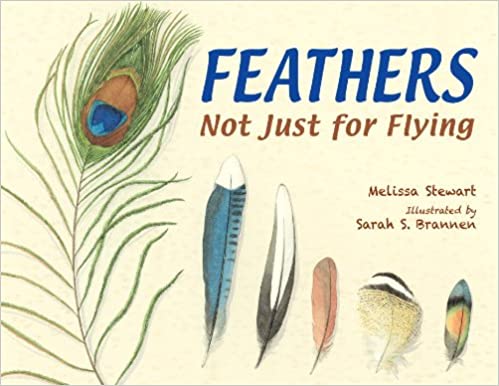
Feathers: Not Just for Flying by Melissa Stewart
How can I help?
Bird of the month: European Starling

Inquire: eBird STEM Models
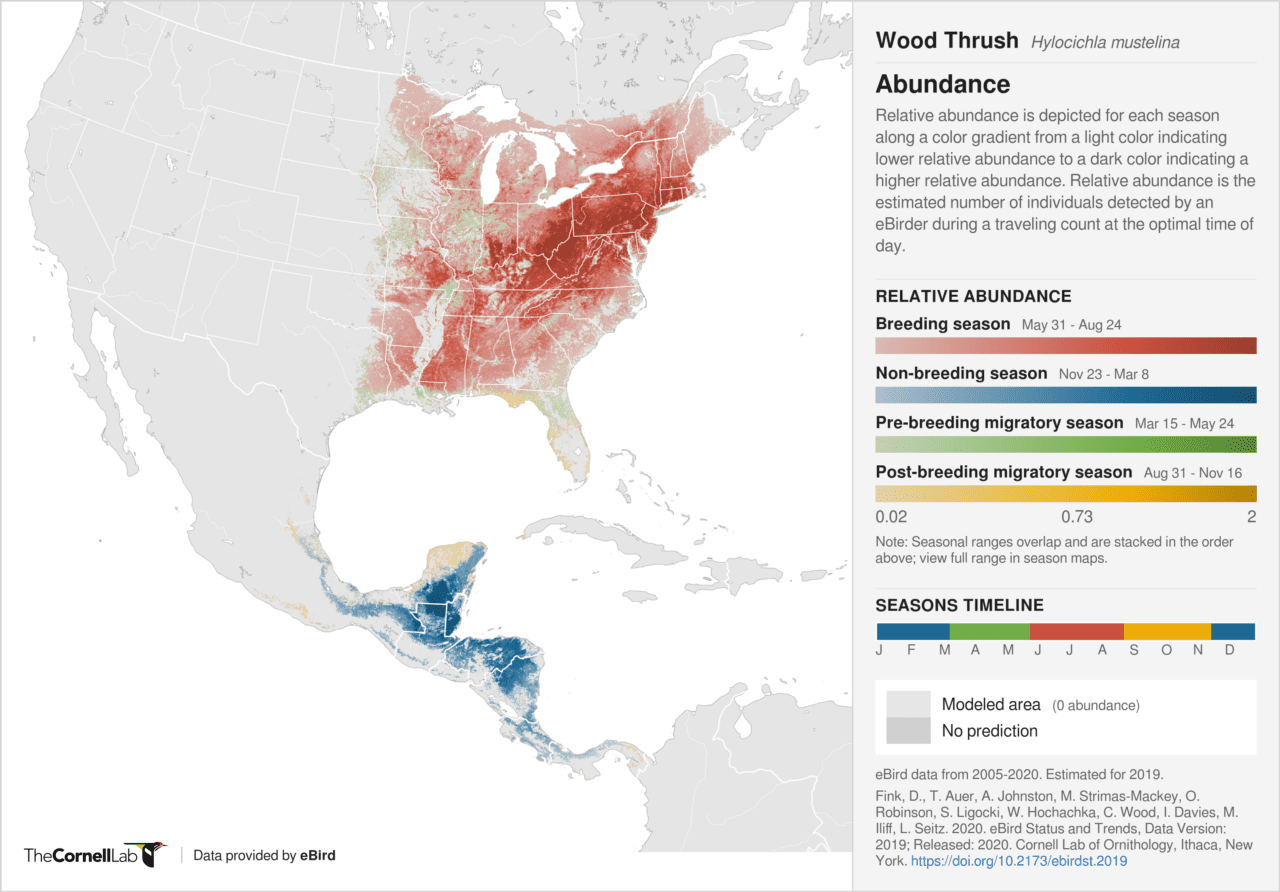
The eBird STEM (Spatio-Temporal Exploratory Model) Abundance Models are species distribution models that have been specifically developed for eBird data by statisticians and researchers at the Cornell Lab of Ornithology. We are continually developing these models, so be sure to check back for more!
Supporting Text:
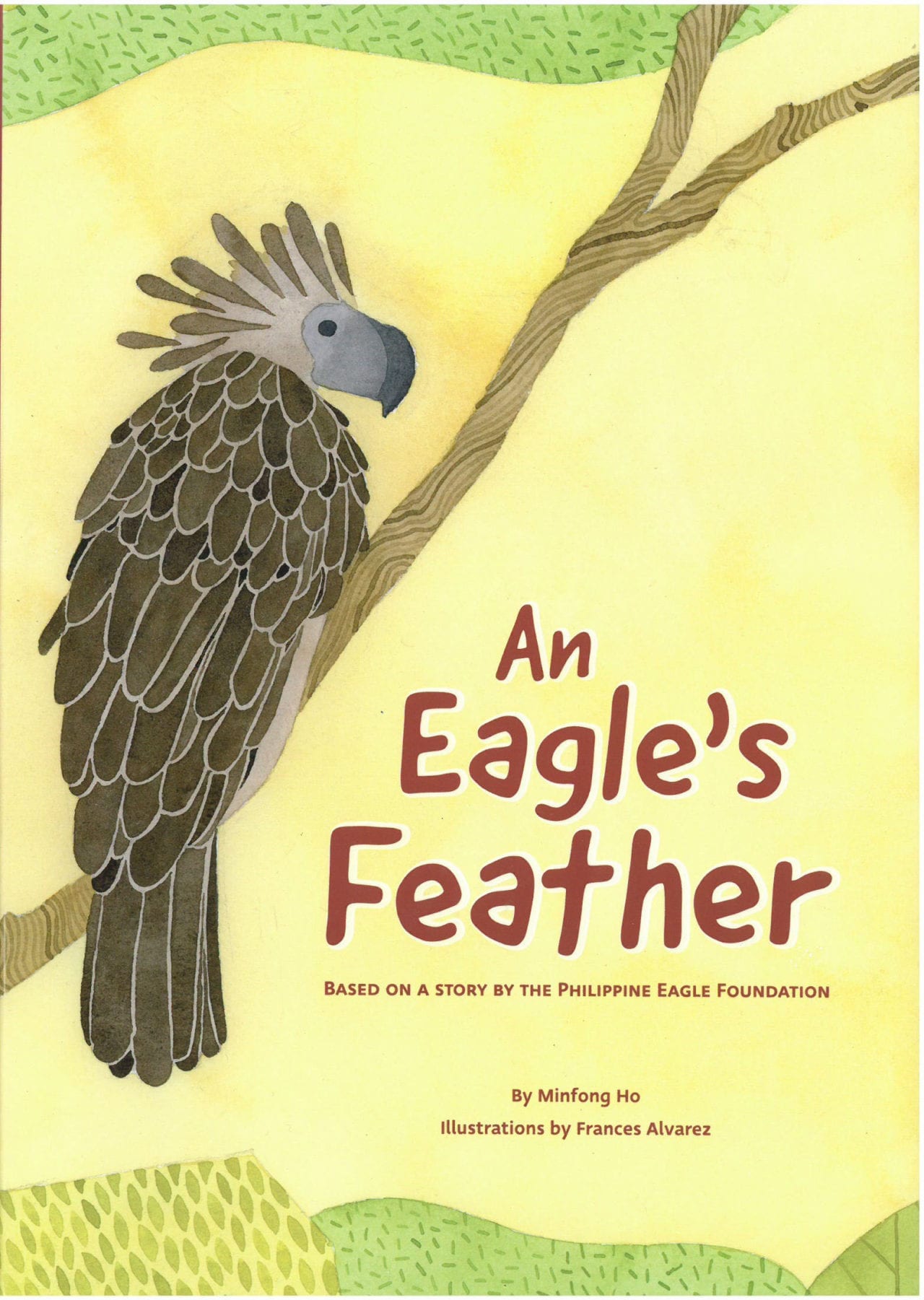
An Eagle’s Feather by Minfong Ho
Challenge your students to think about how humans have impacted different types of habitats. Print one copy of each Habitat Sheet for your student groups.
Do You Hear What I Hear?
Bird of the month: American Goldfinch

Engage: Listen and Learn
If you don’t have access to the supporting texts for this month, you can also access thousands of bird songs and calls with Macaulay Library. Some common bird sounds can be found here:
Inquire: Bird Song Hero
Spectrograms provide a great visual when students first start to learn bird song. Bird Academy’s Bird Song Hero is an opportunity for students to test their spectrogram and bird song matching knowledge.
What Can You Hear?
| Bird Species | Sounds like… |
|---|---|
| Black-capped Chickadee | “chicka-dee-dee-dee” |
| American Crow | “caw, caw, caw” |
| Mourning Dove | “hoo-oo, hoo-hoo-hoo” |
| American Robin | “cheer-up, cheer-up” |
| Northern Cardinal | “wa-cheer, wa-cheer” |
| Blue Jay | “jay, jay” |
| American Goldfinch | “potato-chip, potato-chip” |
| Red-winged Blackbird | “o-ka-lee, o-ka-lee” |
Supporting Text:
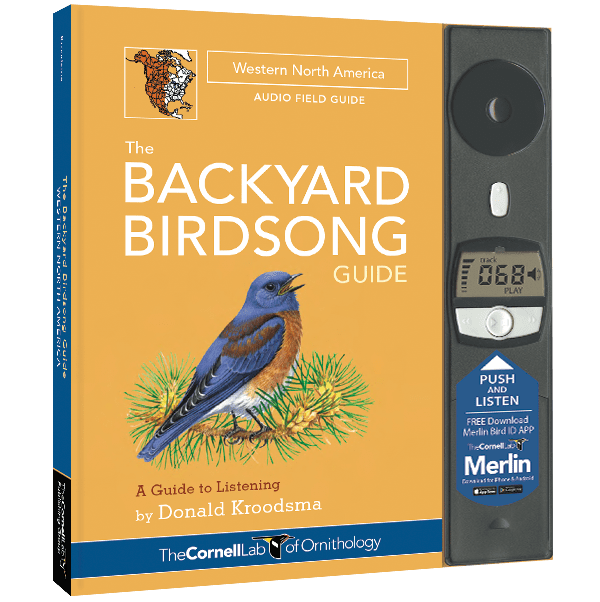
The Backyard Birdsong Guide (Western or Eastern and Central) by Donald Kroodsma. Find these books at your favorite bookstore.

Nests and Chicks
Bird of the month: Brown-headed Cowbird

Inquire: Nesting True/False Explanations
1. All birds build nests.
False. Some do not. For example, Brown-headed Cowbirds lay their eggs in the nests of other birds.
2. Some birds give birth to live babies rather than lay eggs.
False. All species of birds lay eggs.
3. Eggs and chicks are not always safe in their nest.
True. Birds such as Blue Jays and crows, and other animals such as chipmunks, raccoons, and snakes will eat eggs if they find them!
4. Most birds live in their nests year-round.
False. Nests are only for laying eggs and raising of young. However some birds like owls will use nest boxes for cover during the day.
5. Only the female sits on the eggs.
False. It depends on the species. Most species co-parent.
6. Most baby birds are fed seeds and berries by their parents.
False. Most birds are fed insects which provide protein for growing chicks. Raptors and herons feed their nestlings meat from fish and animals.
7. Birds can breathe inside their eggs before they hatch.
True. Eggshells are porous enough for gases like carbon dioxide and oxygen to pass through it.
8. Eggshells are made out of the same materials as chalk.
True. Both are made primarily of calcium carbonate.
9. The egg yolk (yellow) grows into a baby bird.
False. The yolk provides food for the growing bird.
10. If you find a baby bird you should feed it bread and milk.
False. Birds cannot digest milk, and bread will not help them! If you find a nestling, put it back in the nest. If you find a fledgling, leave it alone! It is just practicing being out of the nest. When in doubt, call a wildlife rehabilitator.
Supporting Text:
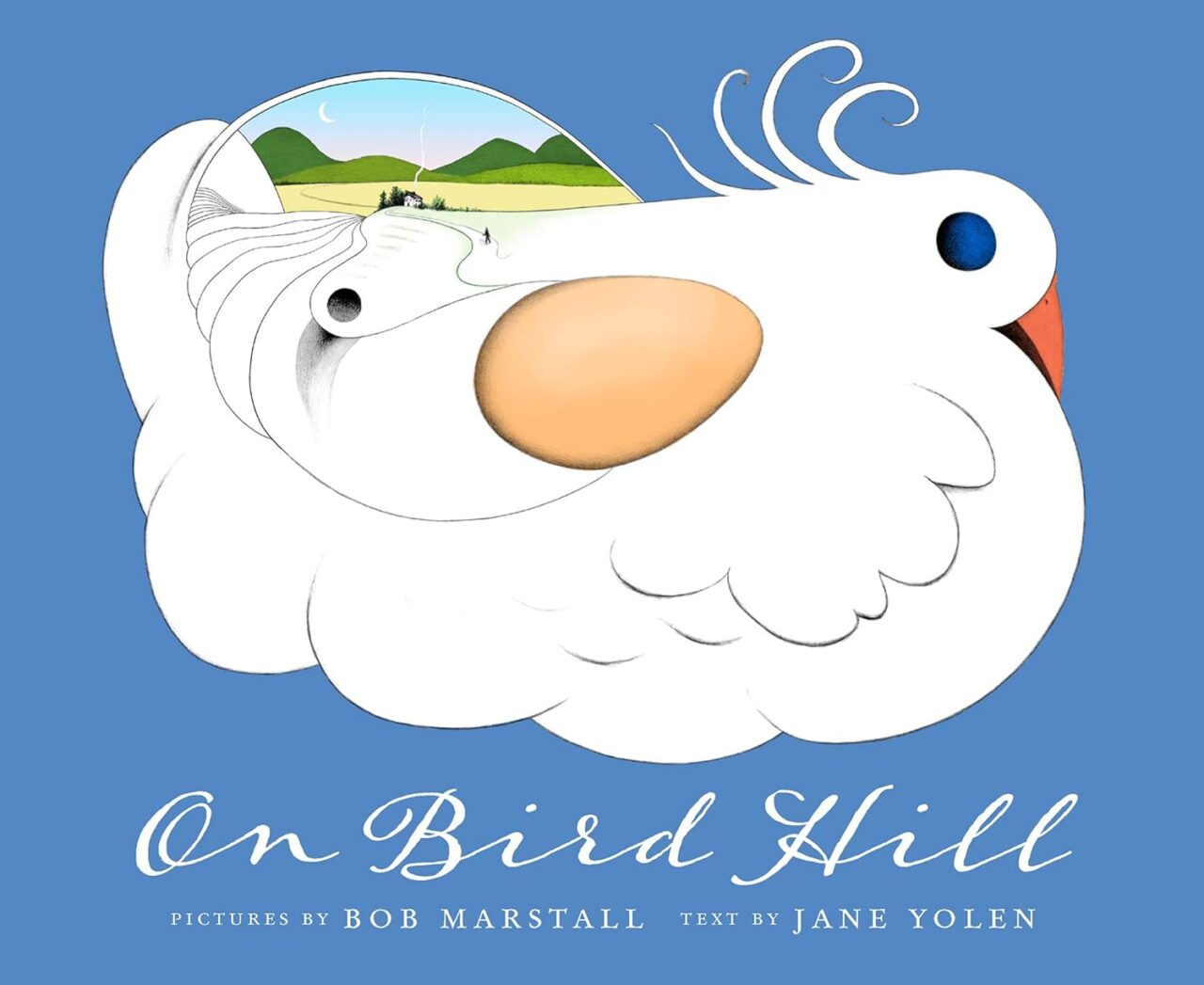
Why do birds build nests? Have you ever seen a nest before? If you have, what did it look like? Where did you find it?