Engagement in Science and Nature
Birds are not optional and life on earth is fundamentally interdependent—these concepts are at the heart of the Center for Engagement in Science and Nature’s educational mission. The Center inspires people of all ages and backgrounds to connect with birds and nature, build their knowledge, and share their observations so that together we can gain insight into how natural systems work and address global conservation challenges. We celebrate the collective power of our community to support bird and earth-friendly habits and policies.
Projects
 Bird Academy
Whether you’re a bird lover, an educator, or a student, our interactive courses and multimedia-rich resources will lead you into the fascinating lives of birds, from birding basics to comprehensive ornithology.
- K-12 Education
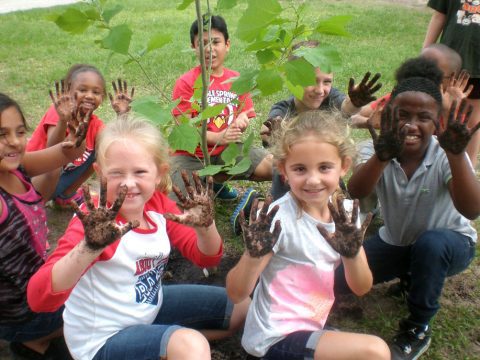
Our curricula and professional development opportunities empower educators to engage youth in scientific investigations, citizen-science projects, and habitat improvement initiatives to ignite a lifelong passion for nature.
- Visitor Center
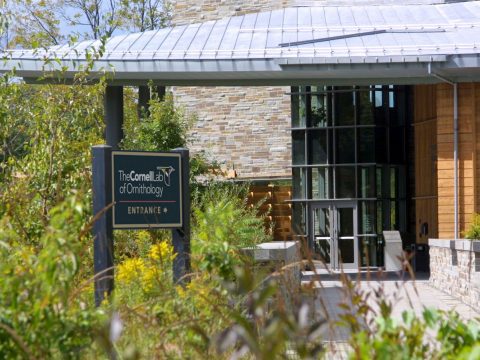
Come experience the Lab! If you live in Ithaca or are visiting from afar you can enjoy behind-the-scenes tours, guided walks, and exhibits. Log in virtually to gain access to Lab experts through webinars, workshops, and family programs.
- Noise Project
Explore this co-created international community science project focused on noise pollution, equity, and well-being through connection with nature and birds. We build and document processes to promote more equitable scientific research together with a network of community partners.
- Engaging Latin American and Caribbean Communities
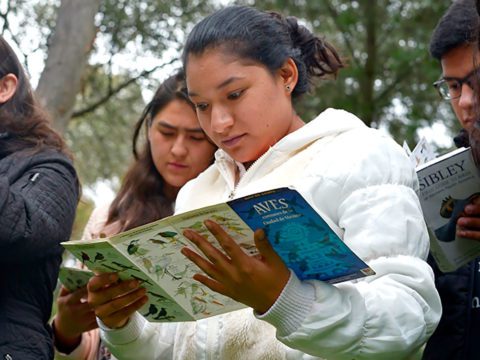
Explore educational materials, resources, and opportunities for engaging Latin American and Caribbean communities with birding, citizen science, and conservation actions.
- Project FeederWatch
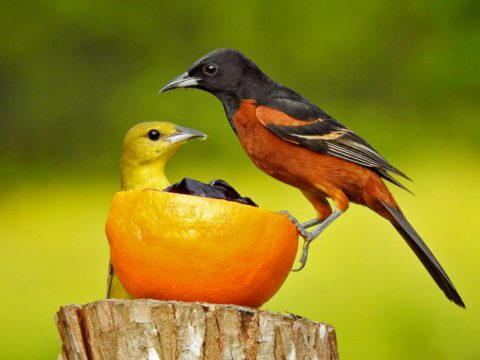
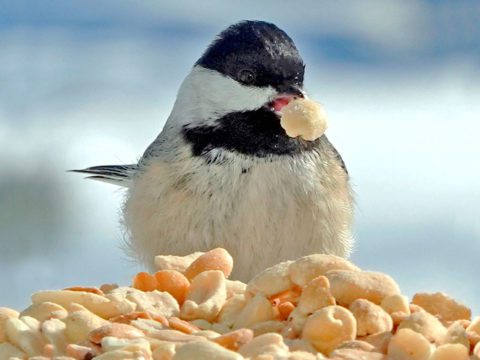
Contribute to a three-decade long dataset about backyard birds and keep track of what is happening in your yard with FeederWatch. You don’t even need a feeder!
- NestWatch
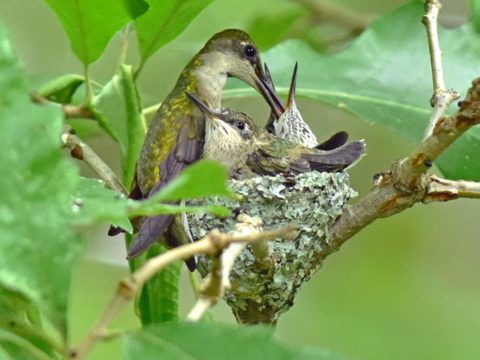
Help measure nature’s success. Learn how to find and monitor bird nests, then record data on species, eggs, and young. Your contributions help scientists understand how climate change, urbanization, and land use affect breeding birds.
- Celebrate Urban Birds
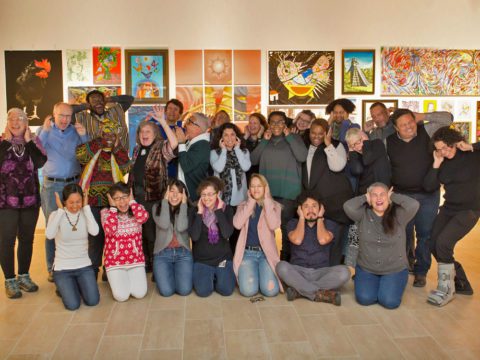
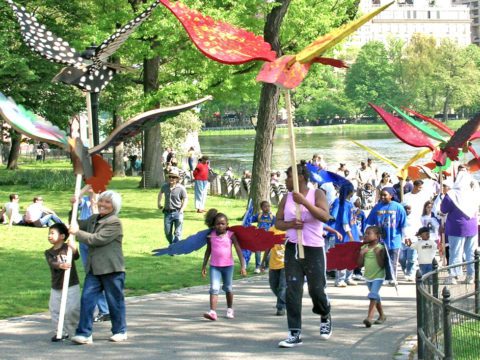
Join our bilingual year-round project by watching for 10 minutes and reporting on 16 “focal” species of birds. The project focuses on those who have historically been excluded from birding and citizen science though mini-grants and educational kits that support community art, local events and local habitat projects.
- Great Backyard Bird Count
Birds are everywhere, all the time, doing fascinating things! Join us for one weekend in February to watch, celebrate, and count birds to create a real-time snapshot of bird populations from around the world. Put Your Birds On the Map.
Priorities
Powering Learning and Participation
- develop and co-create innovative educational initiatives with people of all ages
- host citizen science and community science projects that harness the power of participants worldwide
- work with community leaders and educators to spark interest in birds and nature
- welcome visitors to the Cornell Lab’s trails and educational center
Developing and Supporting Engagement Strategies
- build cutting-edge data-sharing apps, educational platforms, and learning games
- develop effective engagement strategies with our partners across the globe
- publish tools and case studies focused on equity-building and inclusive practices
- study the process of engagement and offer best practices for encouraging and measuring participation in science and nature
Program Staff
- David BonterCo-Director, Center for Engagement in Science and Nature
- Mya ThompsonCo-Director, Engagement in Science and Nature
- Eduardo R. AlexandrinoPostdoctoral Fellow
- Robyn BaileyProject Leader
- Chelsea BensonPublic Programs Coordinator
- Rick BonneySenior Extension Associate Emeritus
- Shelby CarlsonResearch Associate
- Marla CoppolinoCourse Developer
- Marta del CampoProgram Leader
- Rachel EnglandAdministrative Assistant
- Heidi FaulknerProject Assistant
- Lisa GalfordProgram Assistant
- Miika GradyWeb Designer
- Holly GrantProject Assistant
- Emma GreigProject Leader, Project FeederWatch
- Janelle HansonAdministrative Assistant
- Claire HebbardResearch Support Specialist
- Anne Marie JohnsonProject Assistant
- Connie KintnerPublic Information Assistant
- Lisa KoppVisitor Experiences Manager
- Lisa LarsonLead Developer
- Kirsty LauderPostdoctoral Fellow
- Jill LeichterEditor
- Susan LicherK-12 Education Learning Coordinator
- Marilu Lopez FrettsProject Assistant
- Kevin J. McGowanSenior Course Developer and Instructor, Bird Academy
- Shayna MullerMedia Producer
- Josh PelrineApplications Programmer
- Tina PhillipsAssistant Director, Engagement in Science and Nature
- Vanessa PowellAdministrative Assistant
- Mary RachunVisitor Center Assistant
- Becca Rodomsky-BishProject Leader
- Kim SavidesResearch Support Specialist
- Kelly SchaefferOutreach Coordinator
- Andrew Schmalfuss Jr.Visitor Center Assistant
- Stephanie Somerville ZamoraProject Assistant
- Bobby StickelManager, Marketing
- Jeff SzucUser Experience (UX) Designer, Bird Academy
- Nancy TrautmannSenior Extension Associate Emeritus
- Lee Ann van LeerProject Assistant
- Sarah WagnerPublic Information Specialist
- Katherine WelchProject Assistant
- David WilesVisitor Center Assistant
- Dan WilsonSoftware Engineer
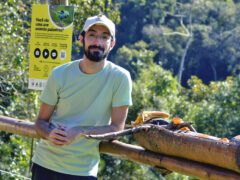


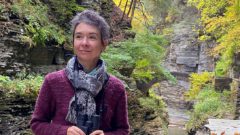

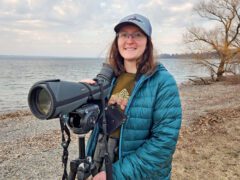
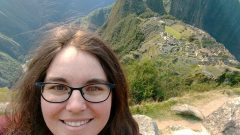


Photo credits: Photos courtesy of the Cornell Lab except Orchard Orioles by Pam Garcia/Project FeederWatch; Ruby-throated Hummingbird by Joel Trick/Macaulay Library; Black-capped Chickadee by Lin McGrew/GBBC; Noise Project, by Marilu Lopez Fretts; Festival Aves Urbanas Toluca in Mexico, courtesy of Alianza Mexicana por la Conservación de la Vida Silvestre (AMECVIS); Tree Swallow eggs by Paula Ziebarth/NestWatch.
Join Our Email List
The Cornell Lab will send you updates about birds, birding, and opportunities to help bird conservation. Sign up for email and don’t miss a thing!
Golden-cheeked Warbler by Bryan Calk/Macaulay Library